
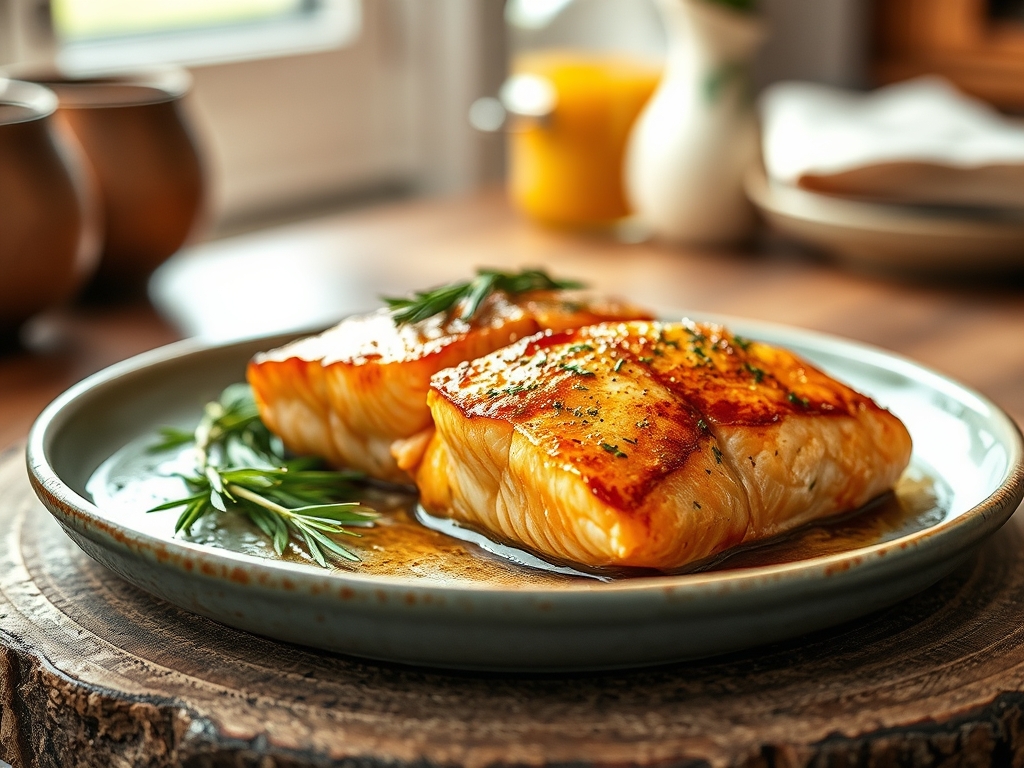
Imagine the gentle hiss of cold fat meeting room temperature air as you slide a vibrant, coral-colored fillet into an oven that feels more like a warm hug than a furnace. Most people treat fish like a sprint; they blast it with high heat until the proteins seize up into a dry, chalky mess. But the secret to the most luxurious slow baked salmon recipes lies in the patience of a low temperature. We are looking for a texture that mimics butter, where the flakes slide apart under the mere suggestion of a fork. This is not just cooking; it is a controlled thermal transformation that preserves the delicate moisture trapped within the muscle fibers. By the time we are done, you will have mastered a technique that turns a basic weeknight protein into a five-star sensory experience.
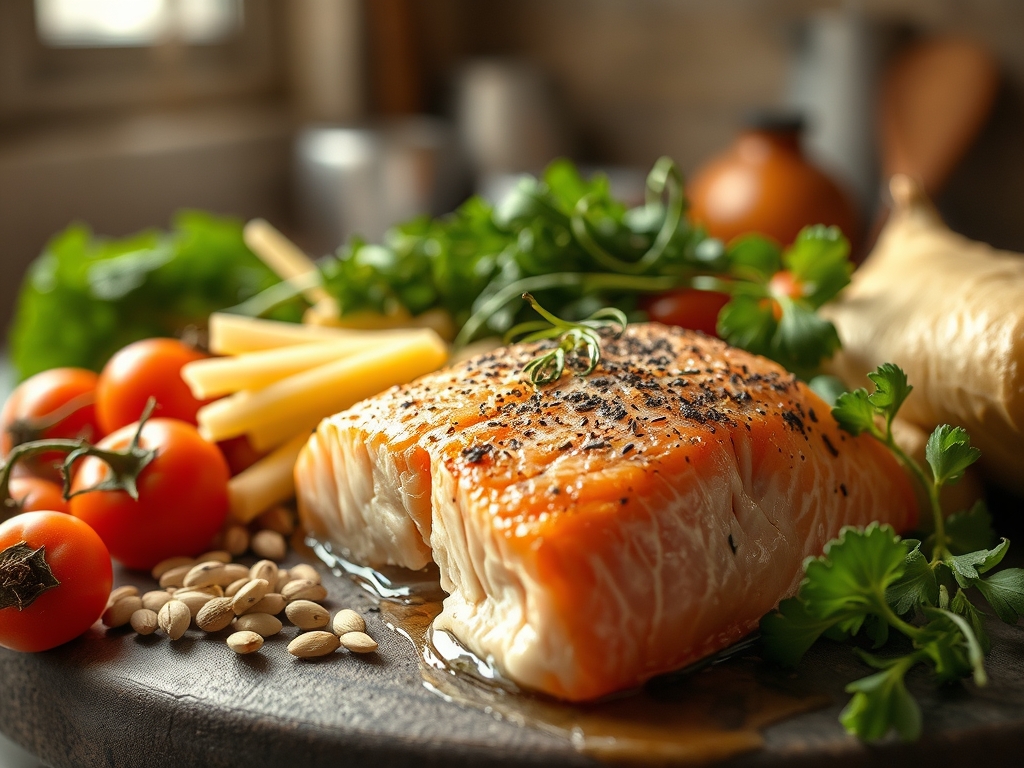
The Gathers:
To achieve perfection, your mise-en-place must be precise. Start with a center-cut Atlantic or King salmon fillet, preferably with the skin intact to act as a thermal insulator. You will need a high-quality extra virgin olive oil to create a viscous barrier against evaporation. Gather fresh aromatics: sprigs of woody thyme, paper-thin slices of Meyer lemon, and flaky sea salt. Use a microplane to zest your citrus, ensuring you only capture the oil-rich flavedo without the bitter white pith.
Smart Substitutions: If you cannot find fresh herbs, a high-quality infused oil works wonders. For those avoiding nightshades, swap black pepper for a piquant dusting of ground white peppercorns. If you are out of lemons, a splash of verjus or a mild white balsamic can provide that necessary acidic brightness to cut through the fatty richness of the fish. Always use a digital scale to ensure your portions are uniform, which guarantees an even cook time across the entire tray.
The Clock
Efficiency in the kitchen is all about the Chef's Flow. Your active prep time is a mere ten minutes; this involves patting the fish dry, seasoning, and arranging your aromatics. The "slow" in slow baked salmon recipes refers to the 25 to 35 minutes spent in a 275 degree Fahrenheit oven. This low-and-slow approach provides a generous window of safety, meaning thirty seconds of distraction won't ruin your dinner. Allow for a five-minute rest period post-bake to let the internal juices redistribute. Total time from fridge to table is roughly 50 minutes, making this the ultimate "set it and forget it" luxury meal.
The Masterclass
1. Tempering the Protein
Remove your salmon from the refrigerator at least 20 minutes before cooking. Cold fish hitting a warm pan causes the muscle fibers to contract violently, squeezing out moisture. Use a bench scraper to move your fillets onto a parchment-lined baking sheet without tearing the delicate flesh.
Pro Tip: This process reduces the "thermal shock" to the fish. When the internal temperature starts closer to room temperature, the exterior does not have to overcook while waiting for the center to reach safety.
2. The Moisture Barrier
Generously coat the fillet in oil. You want the fish to look glossy, almost as if it is submerged in a shallow pool. This oil does not just add flavor; it acts as a physical shield against the dry air of the oven.
Pro Tip: This creates a hydrophobic barrier. Because water and oil do not mix, the oil prevents the natural moisture inside the fish from evaporating into the oven's atmosphere, keeping the flakes succulent.
3. Precision Seasoning
Apply flaky salt from a height of at least twelve inches. This ensures an even distribution and prevents "salt pockets." Use your microplane to shower the fish in citrus zest and cracked pepper.
Pro Tip: Salt facilitates denaturation, a process where protein strands begin to uncoil. By seasoning early, you allow the salt to penetrate the surface, seasoning the fish deeply rather than just on the surface.
4. Low Temperature Roasting
Slide the tray into a 275 degree Fahrenheit oven. Unlike high-heat roasting, we are not looking for a crust. We want a uniform, translucent pink from edge to edge.
Pro Tip: Low heat prevents the "albumin bleed," that white goop that often seeps out of salmon. Albumin is a protein that coagulates and gets pushed out when the muscle fibers contract too quickly under high heat.
5. The Aromatics Infusion
Halfway through the cook, tuck fresh herbs and citrus slices around the fish. This allows the heat to gently infuse the oils from the herbs into the fat of the salmon without burning the delicate leaves.
Pro Tip: This is a form of fat-soluble flavor extraction. The volatile oils in thyme and lemon zest dissolve into the olive oil coating the fish, carrying flavor deep into the fillet.
6. Monitoring Internal Temp
Use a digital thermometer to check the thickest part of the fillet. You are aiming for 120 degrees Fahrenheit for medium-rare or 125 degrees for a firmer, yet still tender, flake.
Pro Tip: Understanding thermal carryover is vital. The internal temperature will continue to rise by 3 to 5 degrees after you remove the fish from the oven. Pulling it early ensures it reaches the perfect final temperature on the counter.
7. The Rest Period
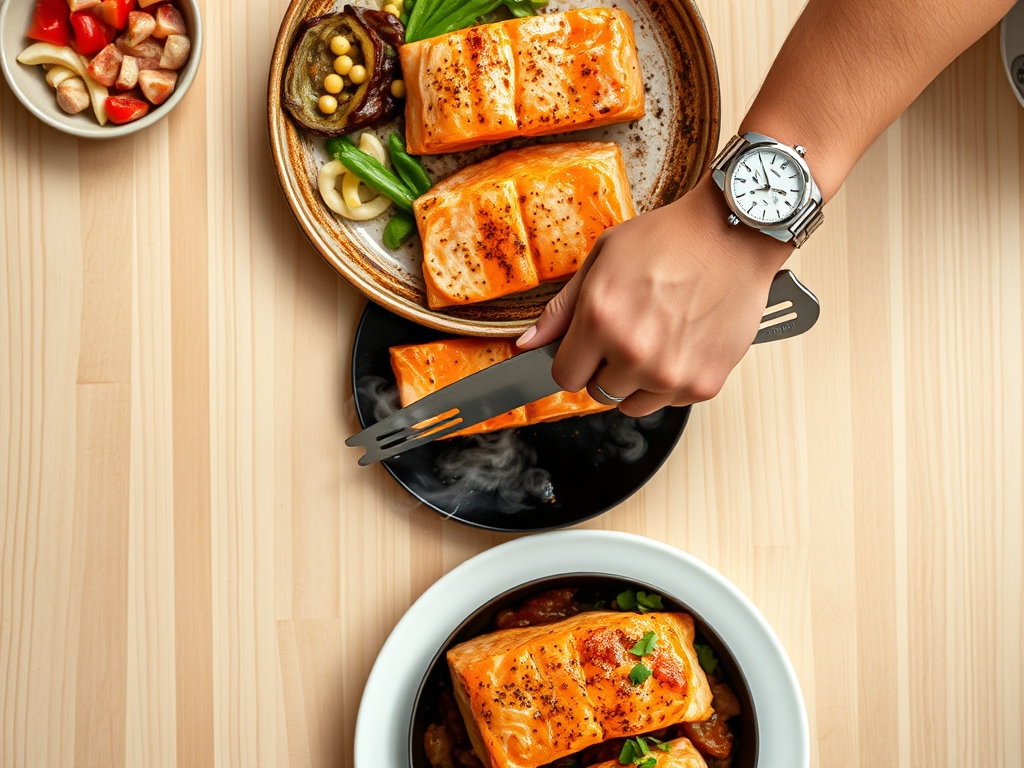
Transfer the salmon to a warm platter using wide tongs or a fish spatula. Let it sit for five minutes before serving.
Pro Tip: Resting allows the protein structures to relax and reabsorb the rendered fats. If you cut into it immediately, the moisture will leak out onto the plate, leaving the fish dry.
8. The Final Acid Hit
Just before serving, squeeze fresh lemon juice over the top and add a final sprinkle of finishing salt.
Pro Tip: This provides a bright top note that balances the heavy fats. The acid triggers salivation, which actually makes the flavors of the fish feel more intense on your palate.
The Deep Dive
From a nutritional standpoint, salmon is a powerhouse of Omega-3 fatty acids and high-quality lean protein. A standard six-ounce serving provides roughly 34 grams of protein and is naturally low in carbohydrates. For a Keto version, increase the olive oil or top with a dollop of grass-fed butter. Vegan guests obviously won't partake, but you can use this exact slow-roasting technique with thick slabs of cauliflower or "steaks" of king oyster mushrooms. For a Gluten-Free guarantee, simply ensure your spices are certified.
The Fix-It: If your fish looks "white" on top, you cooked it too fast; lower the heat next time. If the skin is soggy, try starting the fish skin-side down in a heavy-bottomed skillet for two minutes before moving it to the oven. If the fish tastes "fishy," it likely wasn't patted dry enough; moisture on the surface can trap old volatile compounds.
Meal Prep: To reheat without losing quality, avoid the microwave. Place the salmon in a covered saucier with a tablespoon of water or broth over low heat. The steam will gently warm the fish without tightening the proteins, maintaining that "day-one" silkiness.
The Wrap-Up
Mastering slow baked salmon recipes is like learning a secret handshake in the culinary world. It proves you value technique over speed and texture over flash. Once you taste a fillet that has been treated with this level of scientific care, you will never go back to the high-heat broiling of the past. It is elegant, effortless, and consistently impressive. Now, grab your thermometer and your favorite fillet; it is time to turn your kitchen into a high-end bistro.
The Kitchen Table
Why is my salmon dry even at low heat?
You likely missed the window for thermal carryover. Always pull the fish 5 degrees before your target temperature. Even at 275 degrees, the internal heat continues to rise once the tray is removed from the oven.
Can I use frozen salmon for this?
Yes, but thaw it completely in the refrigerator first. Pat it extremely dry with paper towels. Excess moisture on frozen fish can lead to steaming rather than roasting, which ruins the delicate, buttery texture we are aiming for.
Do I need to flip the salmon?
Never. Slow baking is a gentle process that surrounds the fish with even heat. Flipping the fillet risks breaking the delicate flakes and serves no purpose since we aren't looking for a seared crust on both sides.
What is the best pan for slow baking?
A heavy-rimmed baking sheet or a ceramic gratin dish works best. These materials hold heat steadily, ensuring the bottom of the fish cooks at the same rate as the top, preventing uneven patches of overcooked protein.