
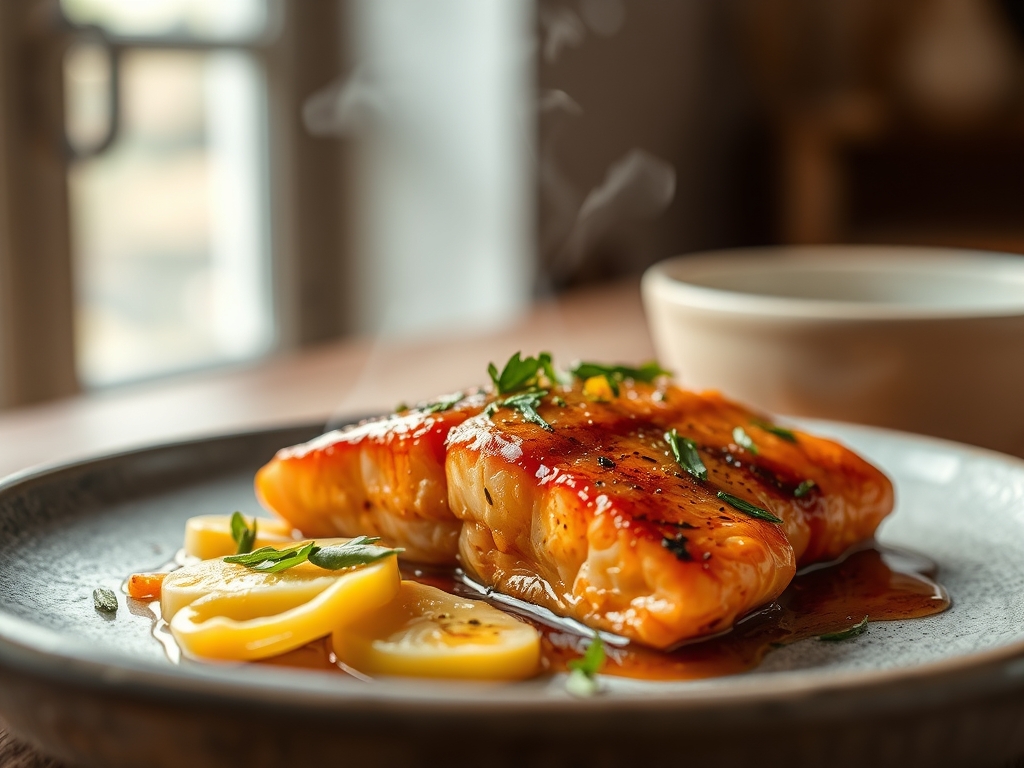
Imagine a kitchen filled with the scent of toasted sesame and caramelizing sugars; that is the magic of the best honey teriyaki salmon recipes. The salmon skin crackles under the heat while the flesh stays buttery and soft. It is a sensory masterpiece that balances the sharp tang of ginger with the deep, floral sweetness of honey. This dish is not just a meal; it is a lesson in the delicate dance of heat and chemistry. We are aiming for that perfect glaze that clings to the fish like velvet, rather than sliding off into the pan. Whether you are hosting a dinner party or just treating yourself after a long day, mastering this glaze is a total game changer for your culinary repertoire. We are going to dive deep into the mechanics of the perfect sear and the science of the reduction. By the time we are done, you will be the absolute authority on how to transform a simple fillet into a five star experience.
The Gathers:
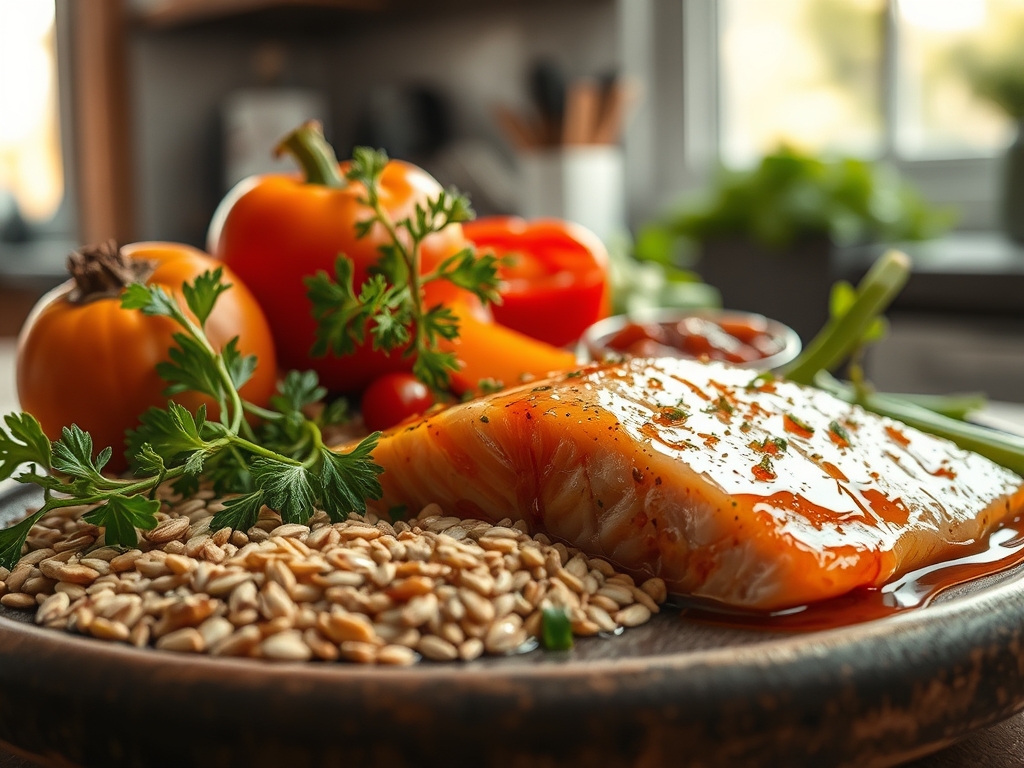
To achieve a professional grade glaze, your mise-en-place must be precise. We start with high quality soy sauce, which provides the umami base through fermented glutamates. The honey acts as our primary humectant and sweetener; it is more viscous than sugar and helps create that iconic glossy sheen. You will need fresh aromatics: ginger and garlic. When you use a microplane to grate these, you rupture the cell walls to release essential oils like gingerol and allicin, which provide a piquant punch that pre-packaged powders simply cannot match.
For the acid, we use mirin and rice vinegar. Mirin adds a subtle sweetness and a beautiful luster, while the vinegar provides the brightness needed to cut through the fatty lipids of the salmon. If you are looking for Smart Substitutions, you can swap soy sauce for liquid aminos if you are avoiding gluten. If honey is not in the pantry, maple syrup offers a different but equally complex sugar profile with a lower glycemic index. For a spicy kick, a teaspoon of sambal oelek or sriracha will infuse the sauce with heat without overwhelming the delicate fish. Always use a digital scale to measure your liquids if you want consistent results every single time.
The Clock:
Efficiency in the kitchen is all about the Chef's Flow. Total active prep time for these honey teriyaki salmon recipes is roughly 15 minutes, with a cook time of 10 to 12 minutes depending on the thickness of your fillets. The "flow" starts with the glaze reduction. You want your sauce simmering in a saucier while you prep the fish. This allows the water content to evaporate, concentrating the flavors and increasing the viscosity.
While the sauce thickens, you pat the salmon bone-dry. Moisture is the enemy of the Maillard reaction. If the surface is wet, the fish will steam instead of sear. By the time your heavy-bottomed skillet is screaming hot, your glaze should be thick enough to coat the back of a spoon. This synchronized timing ensures that the fish and the sauce reach their peak state at the exact same moment, preventing the salmon from sitting and losing its structural integrity.
The Masterclass:
1. The Surface Preparation
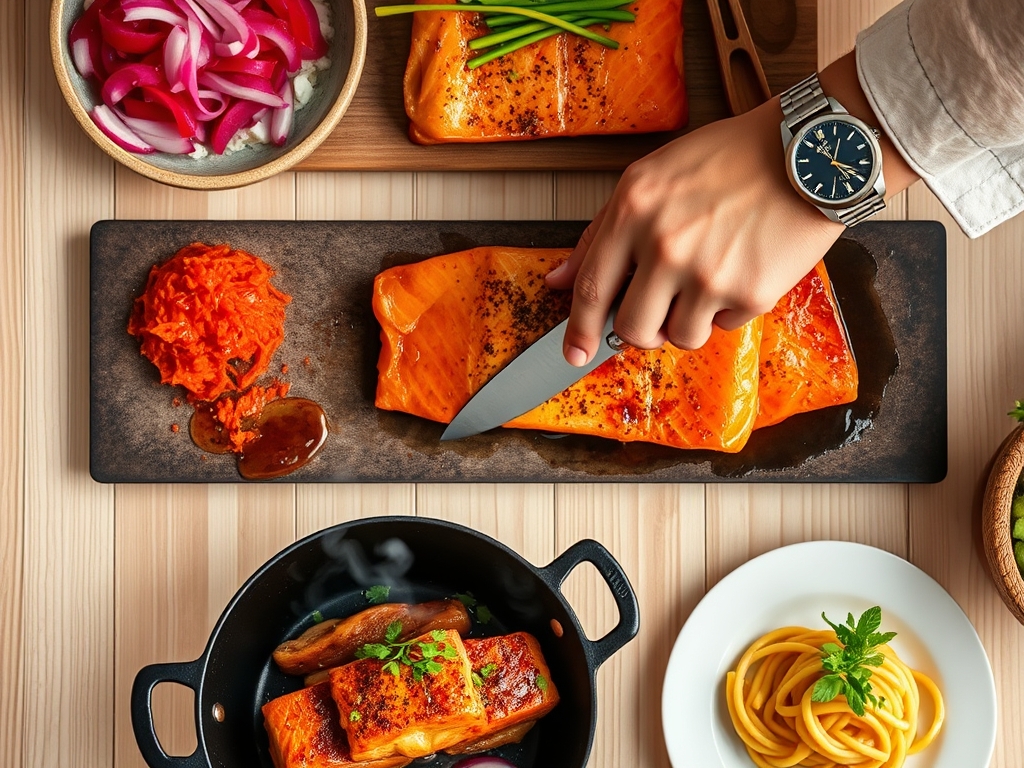
Start by using a bench scraper to ensure your workspace is clear, then pat the salmon fillets with paper towels until they are completely dry. Season only with salt at this stage; pepper can burn in a hot pan and become bitter.
Pro Tip: This drying process is essential for protein denaturation. Removing surface moisture allows the heat to immediately begin browning the proteins rather than wasting energy evaporating water.
2. The Searing Phase
Place a heavy-bottomed skillet over medium-high heat with a high smoke-point oil like avocado oil. Once the oil shimmers, lay the salmon skin-side down. Use tongs to press the fillet down firmly for the first thirty seconds.
Pro Tip: Pressing the fish prevents the skin from curling. This ensures even heat distribution and a perfectly crisp texture through conduction.
3. The Glaze Reduction
In a separate saucier, whisk together your honey, soy, ginger, and garlic. Bring it to a boil and then drop to a simmer. Watch for the bubbles to transition from small and tight to large and "lazy."
Pro Tip: This is the process of caramelization. As the water leaves, the sugar molecules break down and reform into complex flavor compounds that provide that deep amber color.
4. The Deglaze and Coat
Once the salmon is 75 percent cooked, flip it gently. Pour the thickened glaze into the pan. Use a spoon to deglaze the brown bits (fond) from the bottom of the pan and incorporate them into the sauce.
Pro Tip: Deglazing captures the concentrated flavors stuck to the pan, while the honey in the glaze undergoes enzymatic browning as it hits the hot metal.
5. The Thermal Finish
Remove the pan from the heat when the internal temperature hits 125 degrees Fahrenheit. Let the fish rest in the warm glaze for three minutes before serving.
Pro Tip: This accounts for thermal carryover. The internal temperature will rise about 5 degrees while resting, bringing the salmon to a perfect, flaky 130 degrees without overcooking.
The Deep Dive:
When we look at the Macro Nutrition, salmon is a powerhouse of Omega-3 fatty acids and high quality protein. A standard 6 ounce serving provides roughly 34 grams of protein and 20 grams of healthy fats. The glaze adds carbohydrates, primarily from the honey, so if you are following a Keto protocol, you should substitute the honey with a monk fruit sweetener and use tamari to keep it Gluten-Free. For a Vegan twist, this glaze works beautifully on "steaks" of cauliflower or extra-firm tofu that has been pressed to remove excess water.
Even the best chefs hit snags. If your glaze is too thin, do not keep boiling it or the honey will burn; instead, whisk in a tiny cornstarch slurry to emulsify and thicken it instantly. If the glaze is too salty, a squeeze of fresh lime juice or a teaspoon of rice vinegar will provide the acidity needed to balance the sodium. If the skin is sticking to the pan, it usually means the pan wasn't hot enough or you tried to flip it too early. The fish will naturally release once the skin is fully crisped.
For Meal Prep, the secret to "day-one" quality is all in the reheating. Avoid the microwave, which turns salmon into rubber. Instead, place the fish in a cold oven and set it to 275 degrees. As the oven warms, the fish gently reaches temperature without drying out. This preserves the lipid structure and keeps the glaze from breaking.
The Wrap-Up:
You are now armed with the technical prowess to execute the most incredible honey teriyaki salmon recipes in your own kitchen. We have covered everything from the molecular benefits of a dry sear to the art of the reduction. Remember, cooking is as much about the science of heat as it is about the soul of the ingredients. Grab your tongs, fire up that skillet, and get ready to impress everyone at the table. You have got the skills; now go make something delicious!
The Kitchen Table:
How do I make the salmon skin extra crispy?
Ensure the skin is bone-dry before cooking. Use a heavy-bottomed skillet and high heat. Press the fish down with a spatula for the first 30 seconds to maximize surface contact, allowing the fats to render and crisp perfectly.
Can I make the teriyaki glaze in advance?
Yes. You can whisk the ingredients and simmer them until thickened, then store the glaze in an airtight jar in the fridge for up to two weeks. Simply reheat it in a saucier before coating your fresh salmon.
What is the best way to tell if salmon is done?
Use a digital thermometer to check for an internal temperature of 130 degrees Fahrenheit. Alternatively, press the top of the fillet gently; if the flesh flakes easily along the white fat lines (albument), it is ready to rest.
Why is my teriyaki sauce too salty?
This usually happens if the soy sauce reduces too much. To fix it, add a splash of water, a squeeze of lime, or an extra teaspoon of honey. This balances the sodium levels without ruining the viscous texture of the glaze.