
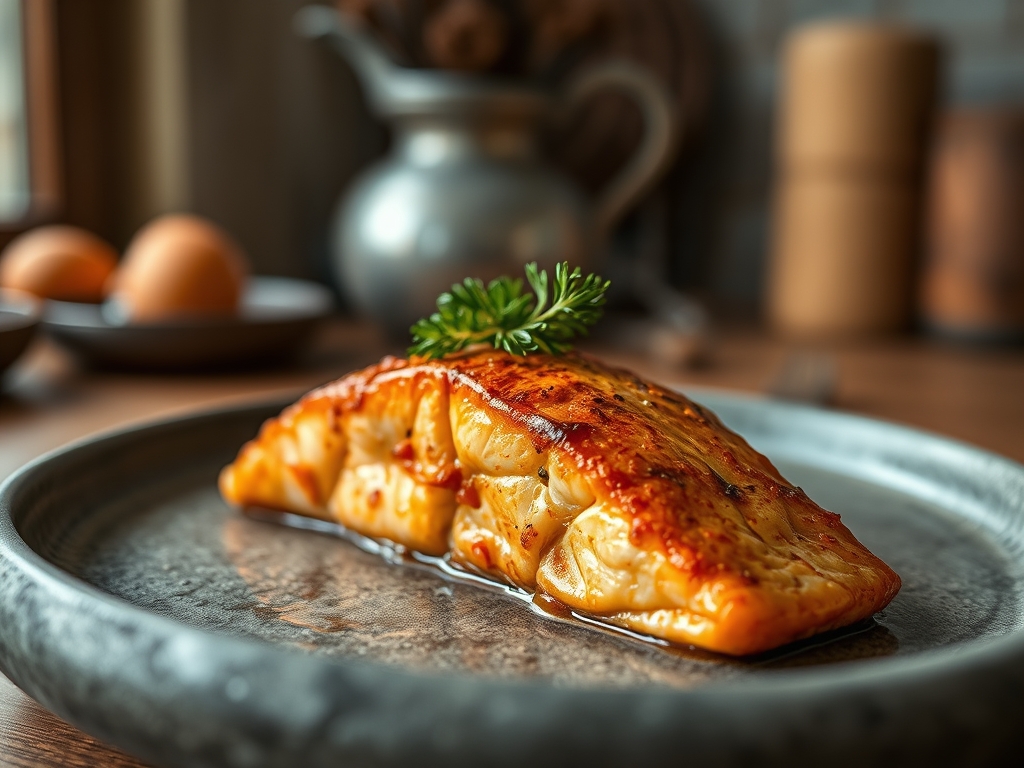
Imagine the scent of smoldering hickory dancing with the sharp, acidic zing of fresh lime as it hits a searing hot pan. This is not just another weeknight dinner; it is a masterclass in flavor architecture. When you master chipotle salmon recipes, you are balancing the deep, earthy heat of adobo against the buttery, omega-3 richness of cold-water fish. We are going to transform a simple fillet into a restaurant-quality centerpiece using six specific technical hacks that elevate your kitchen game from basic to brilliant.
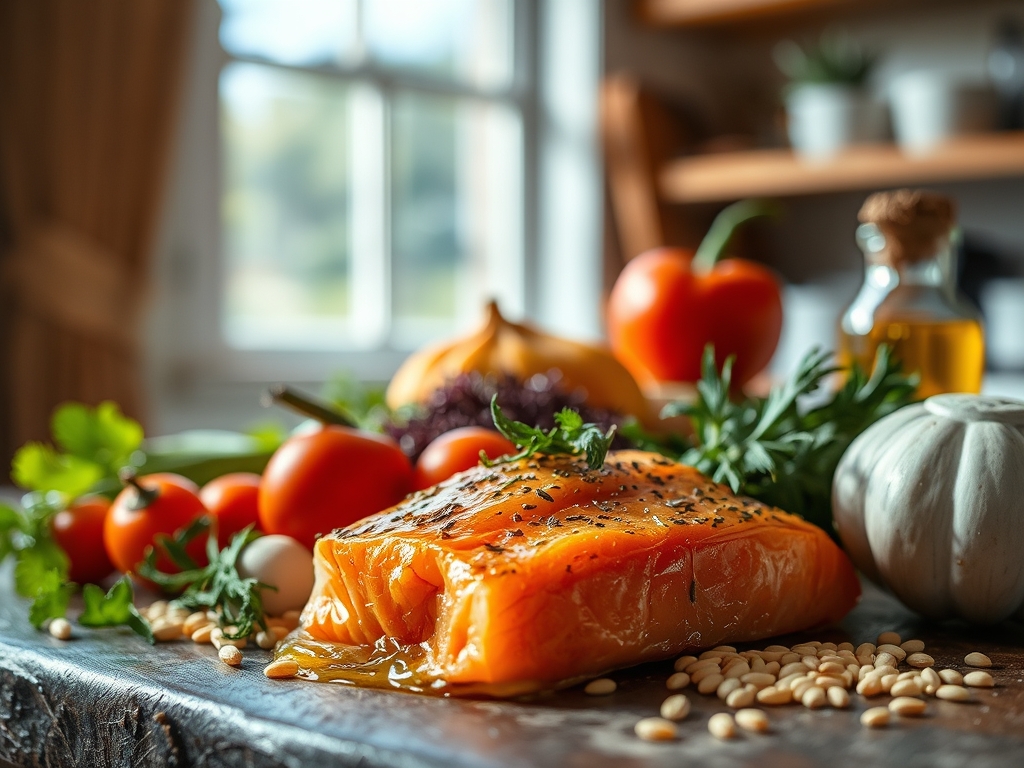
The Gathers:
To execute these chipotle salmon recipes with precision, your mise-en-place must be impeccable. Start with high-quality Atlantic or King salmon fillets; look for a vibrant coral hue and firm muscular structure that springs back when pressed. You will need a small saucier to emulsify your glaze and a microplane to shave aromatics into a fine paste.
The Flavor Core:
- Chipotles in Adobo: These are smoke-dried jalapeños rehydrated in a tangy tomato sauce. They provide the viscous base for our marinade.
- Honey or Agave: Essential for the Maillard reaction, providing the sugars necessary for that deep, caramelized crust.
- Fresh Lime Juice: The citric acid acts as a denaturant, pre-softening the protein fibers for a melt-in-your-mouth texture.
- Smoked Paprika and Cumin: These earthy spices deepen the "charred" profile without requiring an actual wood fire.
Smart Substitutions:
If you find the heat of chipotle too aggressive, substitute half the amount with tomato paste and a drop of liquid smoke. For a keto-friendly version, swap the honey for an allulose-based syrup. If salmon is unavailable, steelhead trout offers a nearly identical fat-to-protein ratio and handles the piquant marinade beautifully.
The Clock:
The "Chef's Flow" is all about overlapping tasks to minimize downtime. Total active labor is roughly 15 minutes, with a 20-minute passive marination window and 10 to 12 minutes of thermal application.
- Prep (0-10 min): Pat the fish dry with lint-free towels. Moisture is the enemy of a sear. Use a digital scale to portion your fillets evenly so they finish cooking at the exact same moment.
- The Soak (10-30 min): Allow the fish to reach room temperature while marinating. This prevents the "cold core" syndrome where the outside burns before the inside is safe to eat.
- The Fire (30-42 min): High-heat searing or roasting.
- The Rest (42-47 min): Crucial for moisture redistribution.
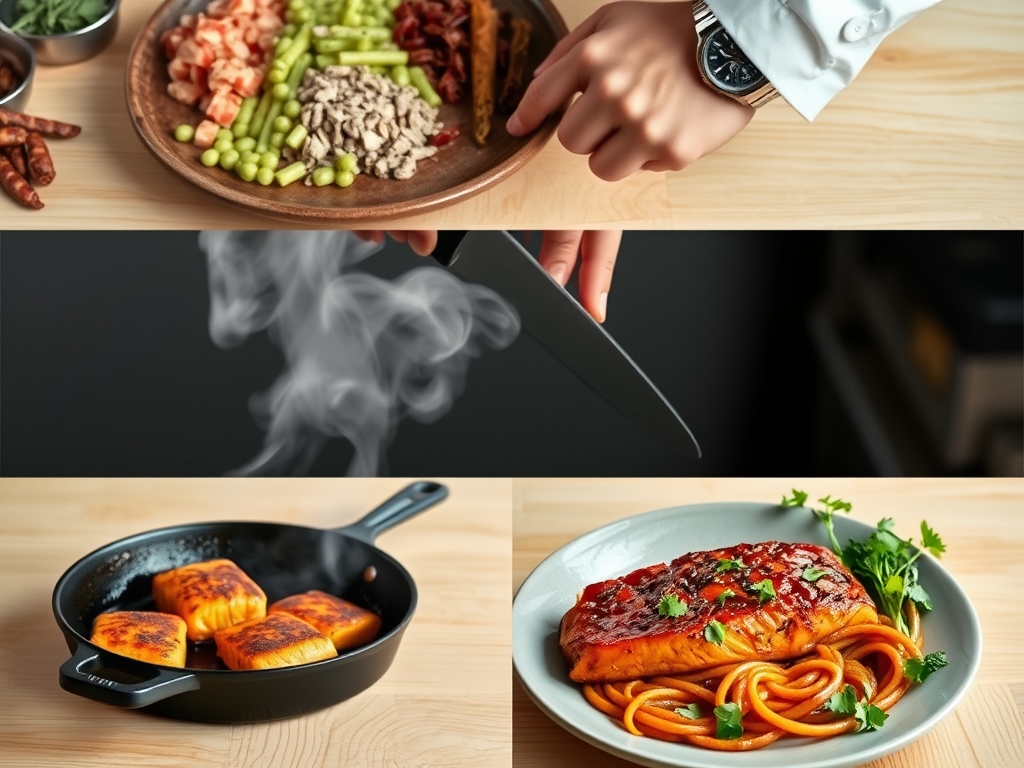
The Masterclass:
1. The Desiccant Hack
Before any seasoning touches the fish, you must use a bench scraper to clear the skin of excess water, then pat it dry. A bone-dry surface allows the oils to immediately begin frying the skin rather than steaming it.
Pro Tip: This relies on the physics of evaporation; if water is present, the pan temperature cannot rise above 212 degrees Fahrenheit, which is too low for browning.
2. The Emulsified Glaze
Use a small whisk or an immersion blender to combine your chipotle paste with oil and honey until it is a stable emulsion. This ensures the fat-soluble heat of the peppers is evenly distributed across every square millimeter of the fish.
Pro Tip: Emulsification prevents the sugars from separating and burning in "hot spots" on the heavy-bottomed skillet.
3. Cold-Pan Skin Start
Place the salmon skin-side down in a cold, non-stick pan, then turn the heat to medium-high. This allows the fat under the skin to render slowly, resulting in a glass-like crunch that is impossible to achieve with a pre-heated pan.
Pro Tip: Gradual heating prevents the protein fibers from "seizing" and squeezing out the internal juices, a process known as transverse shrinkage.
4. The Arrose Technique
Once you flip the fish, add a knob of butter and a smashed garlic clove to the pan. Use a large spoon to continuously pour the foaming fat over the cooked side. This is called arrosé, and it adds a nutty, toasted dimension to the chipotle profile.
Pro Tip: This uses convective heat transfer to finish the thickest part of the fillet without overcooking the delicate edges.
5. The Internal Target
Forget the "flake test." Use an instant-read thermometer to pull the salmon at 125 degrees Fahrenheit for medium-rare or 130 degrees for medium.
Pro Tip: Thermal carryover will cause the internal temperature to rise another 5 degrees while the fish rests, bringing it to the perfect FDA-recommended texture without the chalkiness.
6. The Acid Finish
Always hit the finished plate with a fresh "pop" of lime zest or a spray of vinegar right before serving. The volatile oils in the zest provide a nasal aromatics boost that the cooked lime juice lacks.
Pro Tip: This creates a sensory contrast between the deep, cooked "bass notes" of the chipotle and the bright "treble notes" of fresh citrus.
The Deep Dive:
Macro Nutrition:
A standard 6-ounce portion of chipotle salmon provides approximately 340 calories, 34 grams of high-quality protein, and 18 grams of healthy fats. It is a powerhouse of Vitamin B12 and Selenium, making it as functional as it is delicious.
Dietary Swaps:
- Vegan: Apply this chipotle glaze to "steaks" of extra-firm tofu or cauliflower. Use a weight to press the tofu first for maximum marinade absorption.
- Keto: Replace honey with monk fruit sweetener and serve over a bed of riced cabbage to keep net carbs under 5 grams.
The Fix-It:
- The Albumin Bleed: If you see white "gunk" seeping out, you have overcooked the fish. Fix it by masking with a quick avocado crema or pulling the fish earlier next time.
- Burnt Glaze: If the honey chars too fast, deglaze the pan with a splash of water or broth to lower the temperature and create a quick pan sauce.
- Soggy Skin: If the skin isn't crispy, use tongs to hold the fillet skin-side down against the hot pan for an extra 60 seconds at the very end.
Meal Prep Science:
To reheat chipotle salmon without turning it into rubber, use the "Low and Slow" method. Place it in a 275-degree oven with a tablespoon of water and cover with foil. This creates a miniature steam chamber that rehydrates the protein strands rather than further denaturing them.
The Wrap-Up:
You now have the technical blueprint to execute world-class chipotle salmon recipes every single time. By focusing on moisture control, precise thermal targets, and the chemistry of emulsification, you are doing more than just cooking; you are engineering a perfect meal. Grab your heavy-bottomed skillet and get to work; your kitchen is about to smell incredible.
The Kitchen Table:
How do I keep the chipotle glaze from burning?
Apply the sugar-heavy glaze during the last three minutes of cooking. This allows the flavors to infuse and the sugars to caramelize into a sticky lacquer without reaching the smoking point and turning bitter.
What is the best way to store leftover salmon?
Place the fillets in an airtight glass container within two hours of cooking. Use a piece of parchment paper between layers to prevent the chipotle glaze from pulling the skin off the adjacent piece.
Can I use dried chipotle powder instead of paste?
Yes, but you must aerate the powder into a fat like olive oil first. This "blooms" the spices, releasing the fat-soluble flavor compounds that would otherwise remain trapped and taste "dusty" on the tongue.
Why is my salmon sticking to the pan?
The protein hasn't finished the Maillard reaction. When the crust is properly formed, the fish will naturally "release" from the surface. If it sticks, give it thirty more seconds; the pan is telling you it isn't ready.