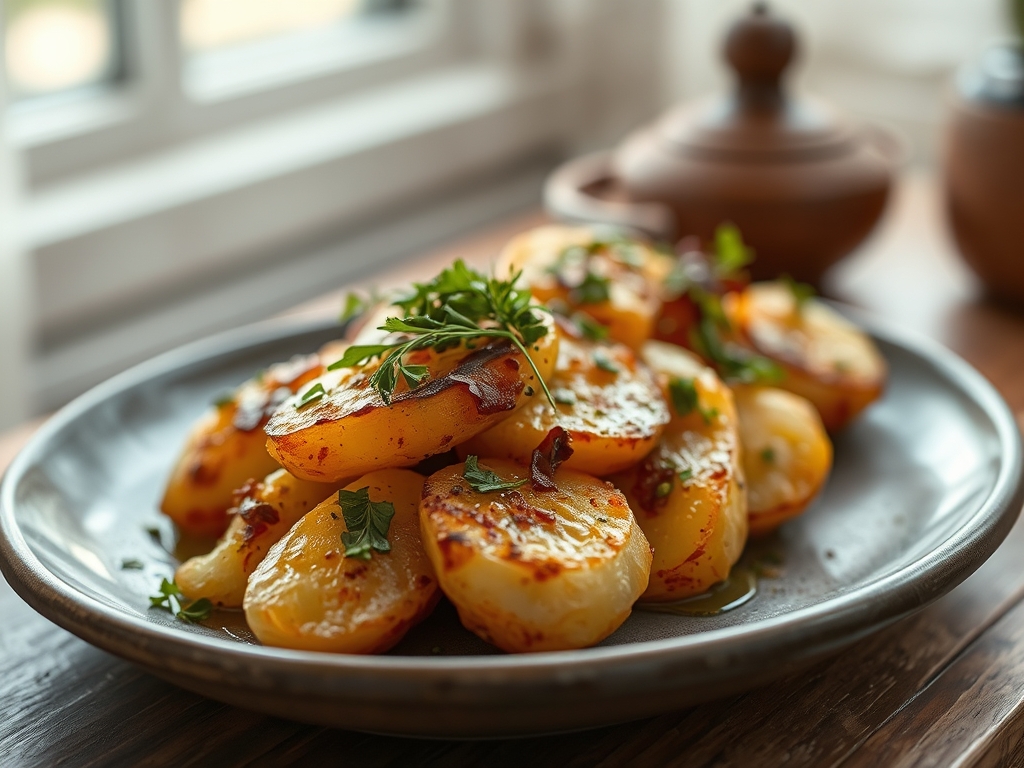
Imagine the humble spud sitting in your refrigerator; it is cold, slightly translucent, and seemingly uninspired. Yet, this unassuming tuber is actually a scientific marvel waiting for a second act. Using leftover boiled potato recipes is not just about avoiding food waste; it is about exploiting a unique chemical state known as starch retrogradation. When potatoes cool, their starch molecules realign into a crystalline structure that yields a superior, crispy texture when reheated. This article explores how to turn those forgotten gems into gourmet masterpieces with minimal effort and maximum flavor.
The Gathers:
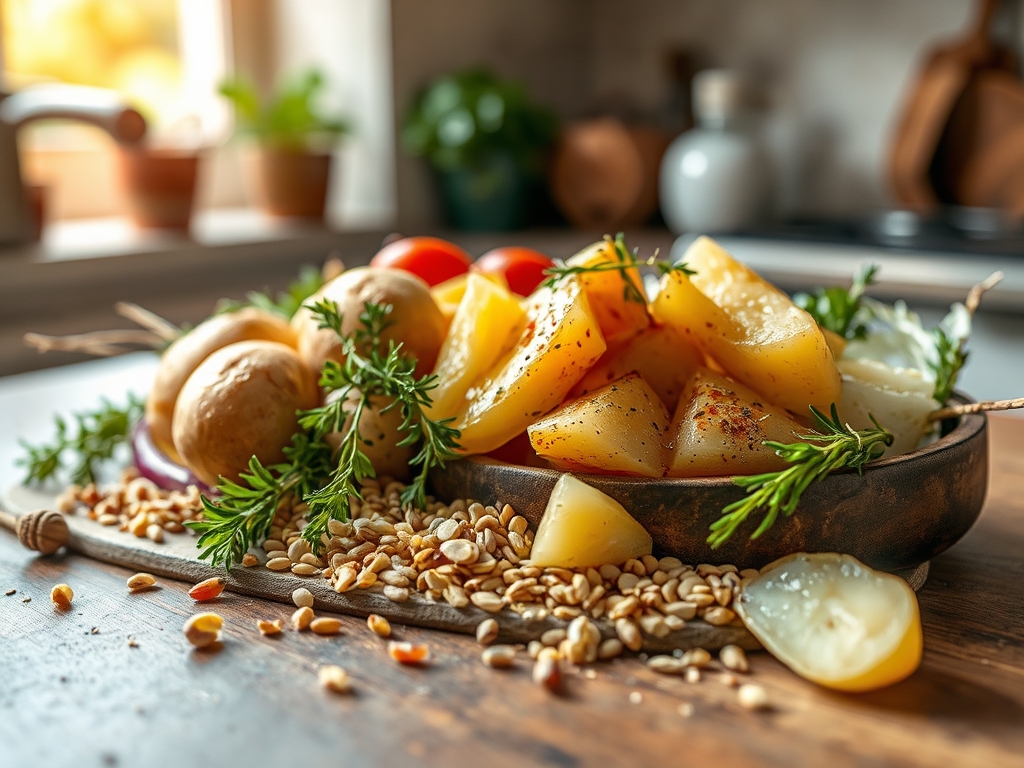
To execute these transformations, your mise-en-place must be precise. Start with your chilled, boiled potatoes. Because they have already undergone gelatinization, they are structurally stable. You will also need a high-smoke-point fat, such as clarified butter or grapeseed oil, to facilitate the Maillard reaction without scorching. Gather piquant aromatics like fresh rosemary, garlic cloves, and perhaps some aged Parmigiano-Reggiano for an umami boost.
For equipment, reach for a heavy-bottomed skillet or a cast-iron pan to ensure even heat distribution. A bench scraper is essential for portioning, while a microplane will help you infuse the dish with fine zest or hard cheeses. Smart Substitutions: If you are out of fresh herbs, use a pinch of smoked paprika to mimic a wood-fired profile. If the potatoes feel too dry, a splash of heavy cream can reintroduce a viscous, luxurious mouthfeel during the reheating process.
The Clock:
Efficiency in the kitchen relies on what professionals call the Chef's Flow. Prep time for these recipes is negligible; usually under five minutes because the primary cooking is already complete. The active cook time ranges from eight to fifteen minutes depending on the desired level of crispness. The goal is to synchronize your heat source with your prep. While your skillet preheats, you slice. By the time the oil reaches its shimmering point, your potatoes are ready to hit the pan. This seamless transition prevents the potatoes from absorbing excess oil, which happens when cold food meets a lukewarm surface.
The Masterclass:
1. The Smash and Sear
Place your whole boiled potatoes on a clean surface and gently press down with the palm of your hand or a heavy glass until they are flattened but still intact. Heat your heavy-bottomed skillet with a tablespoon of oil and sear until the jagged edges turn deep mahogany.
Pro Tip: This relies on the physics of surface area. By smashing the potato, you increase the contact points for heat transfer, accelerating the Maillard reaction which creates hundreds of new flavor compounds.
2. The Crispy Lyonnaise
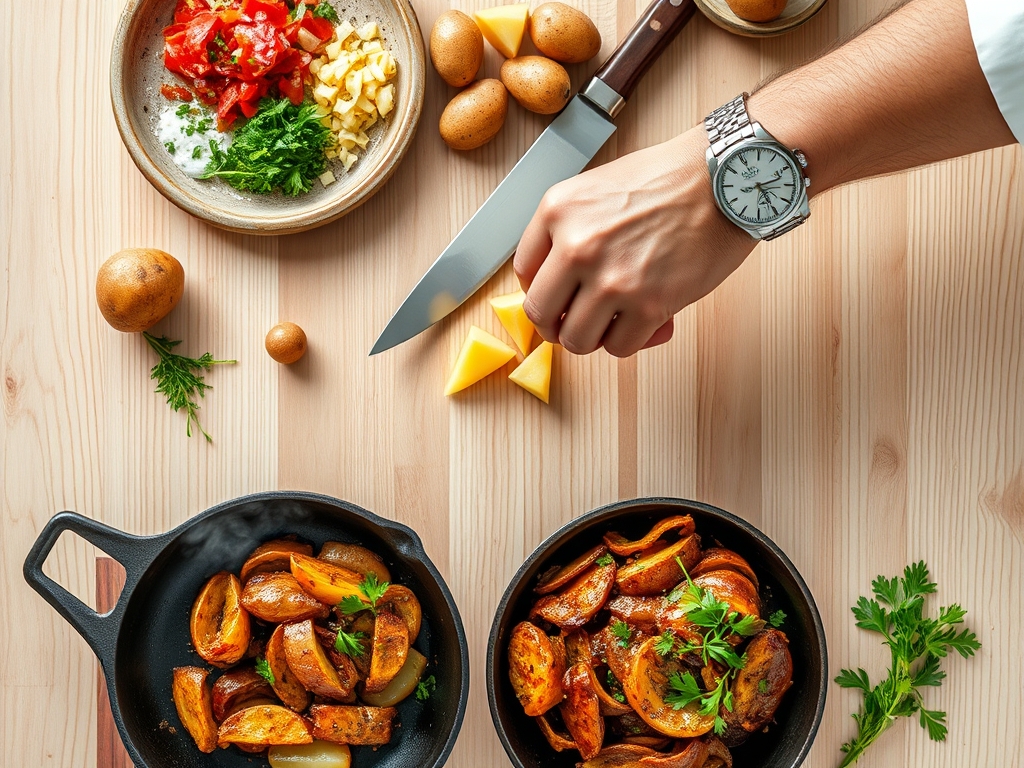
Slice the cold potatoes into thin rounds using a sharp chef's knife. Sauté them with thinly sliced onions in a generous amount of butter. The onions should soften and caramelize at the same rate the potatoes crisp.
Pro Tip: Cold potatoes contain resistant starch. This chemical state prevents the slices from turning into mush, allowing them to maintain their structural integrity even when tossed vigorously in the pan.
3. The Quick Gnocchi Hack
Press your cold potatoes through a ricer into a bowl. Incorporate one egg yolk and enough flour to form a supple dough. Roll into ropes, cut with a bench scraper, and boil until they float.
Pro Tip: Using leftover potatoes is actually better for gnocchi than using fresh. The lower moisture content ensures you use less flour, resulting in a light, pillowy texture rather than a gummy, dense pasta.
4. The Spanish Tortilla Remix
Dice the potatoes and toss them into a saucier with whisked eggs, salt, and plenty of olive oil. Cook on low heat until the eggs set into a custard-like consistency.
Pro Tip: This technique utilizes gentle protein coagulation. The starch in the potatoes acts as a stabilizer, preventing the eggs from weeping liquid as they cook.
5. The Tallow-Roasted Wedges
Cut the potatoes into wedges and toss them in rendered beef tallow or duck fat. Roast at 425 degrees Fahrenheit for ten minutes.
Pro Tip: Animal fats have a higher saturation level than vegetable oils. This allows for a more efficient thermal carryover, resulting in a glass-like crunch on the exterior while the interior remains fluffy.
6. The Loaded Potato Cakes
Mash the leftovers with chives, shredded cheddar, and a bit of flour. Form into patties and fry until golden.
Pro Tip: The flour acts as a binder by creating a gluten network that traps steam. This steam causes the cakes to aerate slightly, preventing them from becoming heavy or leaden.
7. The Piquant Potato Salad
Toss cubed potatoes with a mustard-based vinaigrette while they are still slightly chilled. The acidity of the vinegar will brighten the earthy tones of the tuber.
Pro Tip: This is an example of osmotic pressure. The salt and acid in the dressing will penetrate the starch granules more effectively when the potato is at room temperature rather than ice-cold.
8. The Skillet Hash
Roughly chop the potatoes and fry them with diced bell peppers and smoked sausage. Use your tongs to flip them only once to ensure a deep crust.
Pro Tip: Avoid overcrowding the pan. Overcrowding leads to steam buildup, which triggers enzymatic browning in a way that results in a soft, soggy texture rather than a crisp one.
The Deep Dive:
From a nutritional standpoint, leftover boiled potatoes are a powerhouse. They are high in potassium and Vitamin C; more importantly, the cooling process increases the concentration of resistant starch. This type of fiber acts as a prebiotic, feeding healthy gut bacteria and resulting in a lower glycemic index compared to freshly cooked potatoes.
For dietary swaps, vegans can replace butter with avocado oil or coconut oil for a rich finish. Those seeking a lower-carb profile can mix the potatoes 50/50 with boiled cauliflower florets. If you are gluten-free, use cornstarch or rice flour for the gnocchi and potato cakes to maintain that signature crunch.
The Fix-It: If your potatoes are sticking to the pan, your heat is likely too low; increase the flame and wait for the proteins to release naturally. If they taste bland, add salt earlier in the process to allow it to penetrate the starch. If the exterior is burning before the middle is hot, lower the heat and cover the pan for two minutes to use trapped steam for internal heating.
For meal prep, reheating is a science. Avoid the microwave, which vibrates water molecules and turns the starch gummy. Instead, use an air fryer or a toaster oven. These methods use convection to remove surface moisture, restoring the "day-one" crispy quality.
The Wrap-Up:
Transforming your kitchen scraps into a five-star meal is the ultimate culinary flex. By understanding the molecular behavior of starch and the importance of high-heat fats, you turn a boring side dish into the star of the show. Whether you are smashing, searing, or ricing, these leftover boiled potato recipes prove that the best meals often start with what is already in your fridge. Grab your skillet and get cooking; your taste buds will thank you.
The Kitchen Table:
Can I freeze boiled potatoes for later use?
Yes, but the texture will change. Freezing causes water crystals to rupture the starch cells, making them softer. They are best used in mashed dishes or soups rather than crispy fried recipes after being frozen and thawed.
Why do my leftover potatoes turn grey?
This is caused by oxidation or a reaction between iron and chlorogenic acid. To prevent this, store your boiled potatoes in an airtight container or toss them with a tiny bit of lemon juice before refrigerating.
What is the best oil for frying potatoes?
Use an oil with a high smoke point like grapeseed, canola, or clarified butter. These oils can withstand the high temperatures needed for the Maillard reaction without breaking down or creating off-flavors.
How long do boiled potatoes stay fresh?
When stored in an airtight container in the refrigerator, boiled potatoes stay fresh for three to five days. Always check for a sour smell or slimy texture before using them in your recipes.