
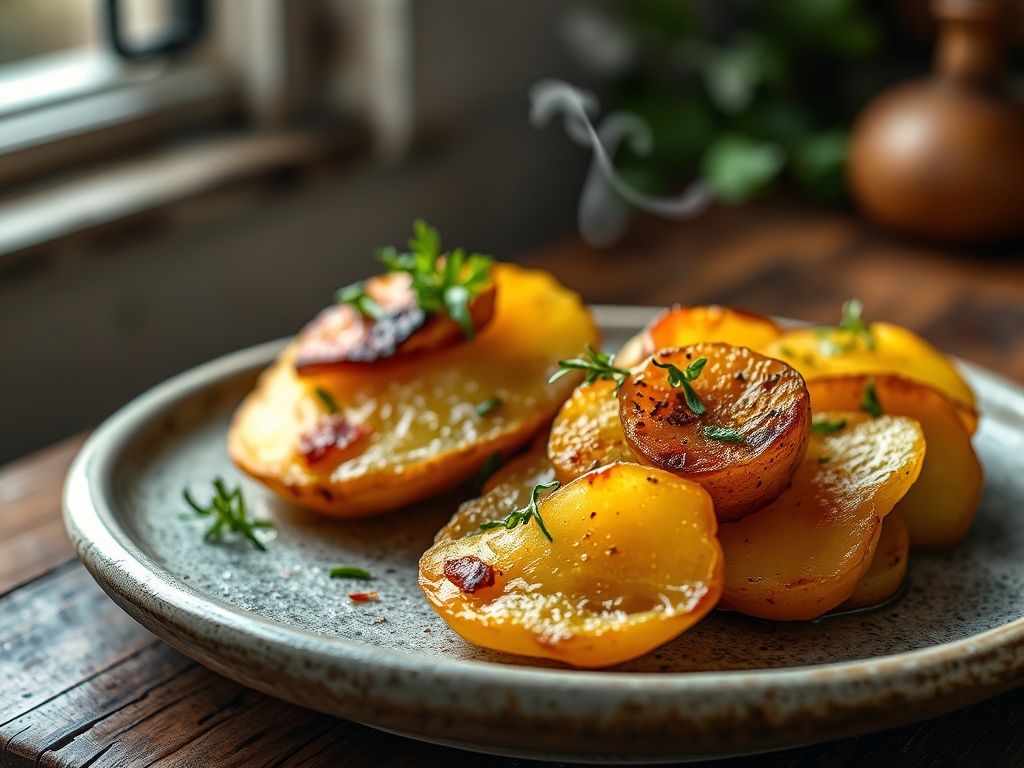
Picture the scent of rosemary hitting a hot pan as a gold-flecked potato skin achieves that perfect, audible crunch. We have been told for years that the humble spud is a dietary villain; however, the truth is found in the chemistry of the prep. By mastering these nine potato recipes for diet success, you transform a simple starch into a nutrient-dense powerhouse.
The potato is a nutritional marvel when you strip away the heavy creams and deep fryers. It is packed with potassium and vitamin C, and more importantly, it offers a high satiety index that keeps hunger at bay. We are reclaiming the potato as the ultimate fitness fuel. Think of this as your technical guide to making the spud sophisticated, lean, and incredibly delicious. We will use heat, acid, and timing to manipulate starch molecules into something sublime. Whether you are craving a crispy wedge or a silky mash, these methods ensure you stay within your macros without sacrificing the soul of the dish.
The Gathers:
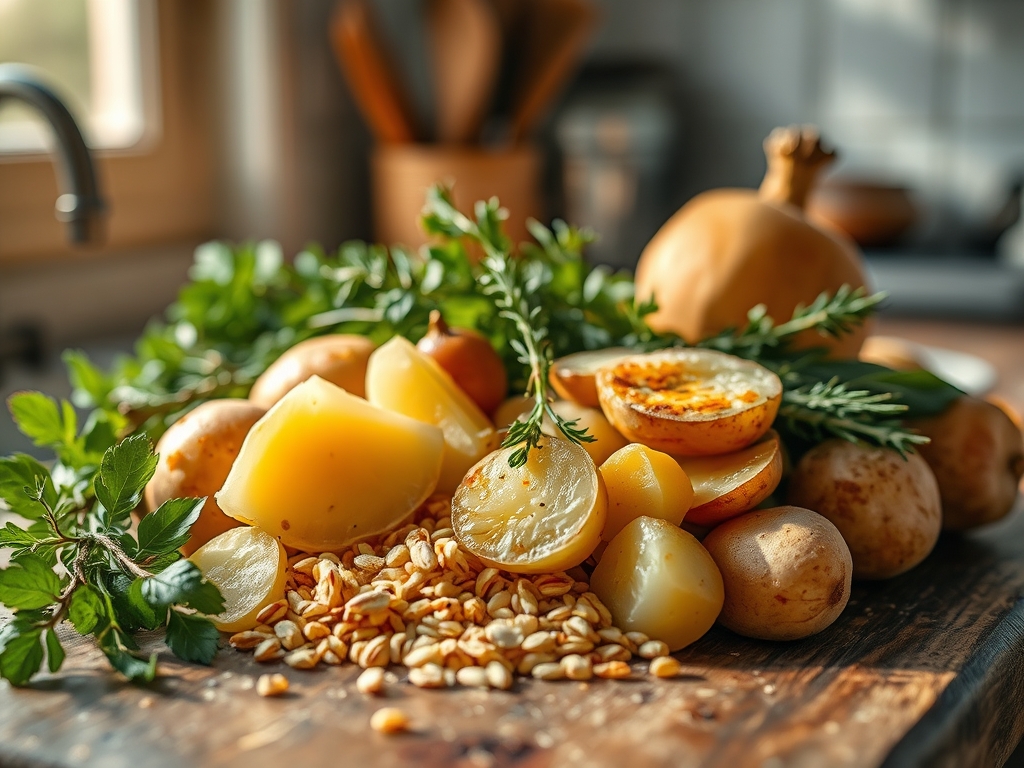
To execute these potato recipes for diet goals, your mise-en-place must be precise. Start with a variety of tubers: waxy Red Bliss for salads, starchy Russets for fluffiness, and Yukon Golds for that naturally buttery mouthfeel. You will need high-quality fats like extra virgin olive oil or ghee, which have distinct smoke points and flavor profiles.
Smart Substitutions are the secret to keeping things light. Instead of heavy cream, we use Greek yogurt or silken tofu to provide a viscous texture and a piquant tang. Use a microplane to zest citrus or grate hard cheeses like Pecorino Romano; this maximizes surface area so a tiny amount provides a massive flavor punch. Keep your bench scraper handy to move chopped aromatics like shallots, garlic, and chives from the board to the pan without bruising the delicate cell structures.
The Clock:
Efficiency in the kitchen is about understanding the "Chef's Flow." Most of these recipes require a 10-minute active prep window and 20 to 40 minutes of thermal application. For instance, a roasted fingerling dish takes 5 minutes to slice and 25 minutes to roast at high heat.
The flow works like this: start your water boiling or your oven preheating first. While the environment reaches the target temperature, perform your knife work. Use a digital scale to ensure portion control; this is the only way to be 100 percent certain of your caloric intake. If you are meal prepping, "par-boiling" potatoes on Sunday allows you to finish them in a heavy-bottomed skillet in under 10 minutes during the week. This strategy utilizes the science of retrograded starch, which actually lowers the glycemic index of the potato after it has been cooled.
The Masterclass:
1. The Mineral-Rich Steam
Place cubed Yukon Golds in a steamer basket over simmering water. Steam until fork-tender, then toss with lemon juice and fresh dill.
Pro Tip: Steaming prevents the leaching of water-soluble vitamins into the boiling water, preserving the nutritional integrity of the tuber.
2. The High-Heat Air Fry
Toss sliced Russets in a bowl with a teaspoon of avocado oil and smoked paprika. Air fry at 400 degrees Fahrenheit until the edges are golden and crisp.
Pro Tip: The rapid air circulation facilitates the Maillard reaction without the need for submersion in oil, giving you that fried texture for a fraction of the fat.
3. The Smashed Garlic Roast
Boil baby potatoes whole, smash them flat with a heavy-bottomed skillet, and roast until the jagged edges are dehydrated and crunchy.
Pro Tip: Increasing the surface area through "smashing" allows for more Maillard browning, which creates complex flavor compounds that satisfy the palate more quickly.
4. The Velvety Greek Yogurt Mash
Boil peeled potatoes in salted water, drain well, and pass them through a ricer. Fold in non-fat Greek yogurt and a splash of the starchy cooking water.
Pro Tip: Using a ricer prevents the over-working of the starch molecules; over-mixing creates a gluey, gummy texture due to excessive starch release.
5. The Infused Broth Poach
Simmer potato slices in a flavorful vegetable or chicken bone broth infused with garlic and thyme instead of butter.
Pro Tip: Poaching allows the potato to absorb the savory solutes from the broth through osmosis, flavoring the interior of the potato without adding lipids.
6. The Herb-Crusted Hasselback
Thinly slice the potato nearly all the way through using chopsticks as a guide. Brush with a balsamic reduction and sprinkle with dried oregano.
Pro Tip: The balsamic vinegar provides an acidic component that balances the natural sweetness of the potato, while the "fins" allow heat to penetrate the core rapidly.
7. The Cold Potato Salad
Boil red potatoes, cool them completely, and toss with a mustard-based vinaigrette and chopped celery.
Pro Tip: Cooling the potato creates resistant starch; this type of fiber resists digestion in the small intestine and acts as a prebiotic for gut health.
8. The Sheet Pan Medley
Roast potatoes alongside lean proteins like chicken breast and fibrous vegetables like broccoli.
Pro Tip: Thermal carryover continues to cook the potatoes once they leave the oven; pull them when they have a slight bite to avoid a mushy final product.
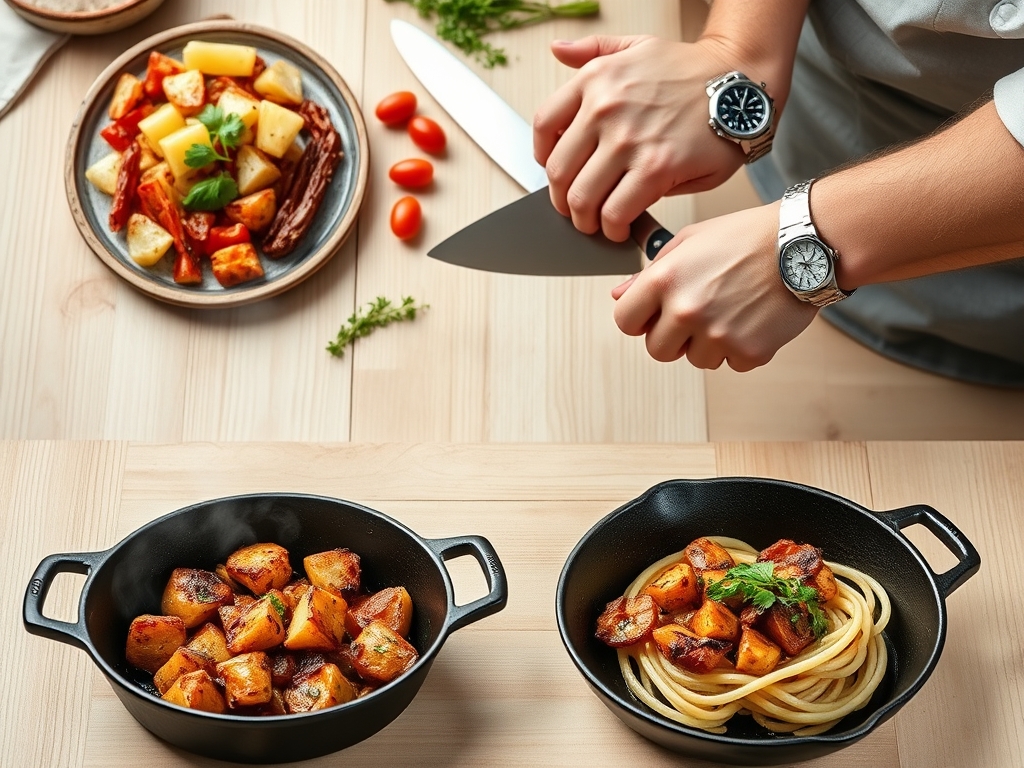
9. The Cast Iron Char
Sear thin potato rounds in a dry, heavy-bottomed skillet until charred, then finish with a light spray of olive oil.
Pro Tip: Dry searing concentrates the natural sugars in the potato through caramelization before any fat is introduced, intensifying the earthy flavor.
The Deep Dive:
When analyzing the macro nutrition of these potato recipes for diet, a medium potato contains roughly 110 calories, zero fat, and 3 grams of protein. By avoiding the "loaded" toppings, you keep the caloric density low. For Dietary Swaps, vegans can use nutritional yeast for a cheesy flavor; those seeking a lower-carb profile can mix potatoes 50/50 with steamed cauliflower to increase volume while decreasing starch.
The Fix-It:
- Soggy Potatoes: Usually caused by overcrowding the pan. Ensure at least an inch of space between pieces to allow steam to escape.
- Grey Discoloration: This is enzymatic browning. Keep peeled potatoes submerged in cold water until you are ready to cook to block oxygen exposure.
- Bland Interior: You must salt the cooking water heavily. The salt seasons the potato from the inside out as it hydrates.
For Meal Prep, reheating is a science. Avoid the microwave if you want crunch. Instead, use a toaster oven or a quick toss in a hot saucier to re-crisp the exterior. This prevents the "warmed-over flavor" caused by lipid oxidation.
The Wrap-Up:
You are now equipped with the technical prowess to turn the world's favorite root vegetable into a diet-friendly masterpiece. Remember that cooking is just chemistry you can eat. By controlling your heat sources and being mindful of your additions, you can enjoy these potato recipes for diet success every single day. Go grab your tongs and your favorite skillet; it is time to make some magic happen in that kitchen!
The Kitchen Table:
Are potatoes actually good for weight loss?
Yes, potatoes are highly satiating and low in calories when prepared without excess fats. Their high fiber content helps you feel full longer, making it easier to maintain a caloric deficit while enjoying satisfying, whole-food meals.
What is the healthiest way to cook a potato?
Steaming or boiling are the healthiest methods because they require no added fats and preserve the most vitamins. Air frying is a close second for those who crave a crispy texture without the heavy oils of traditional frying.
How do I stop potatoes from sticking to the pan?
Ensure your skillet is properly preheated before adding the potatoes. For stainless steel, use the "Leidenfrost effect" test; if a drop of water beads and dances on the surface, the pan is ready for a light coating of oil.
Can I eat potato skins on a diet?
Absolutely. The skin contains the majority of the potato's fiber and a significant portion of its minerals. Leaving the skin on increases the nutritional density of your meal and provides a satisfying textural contrast.