
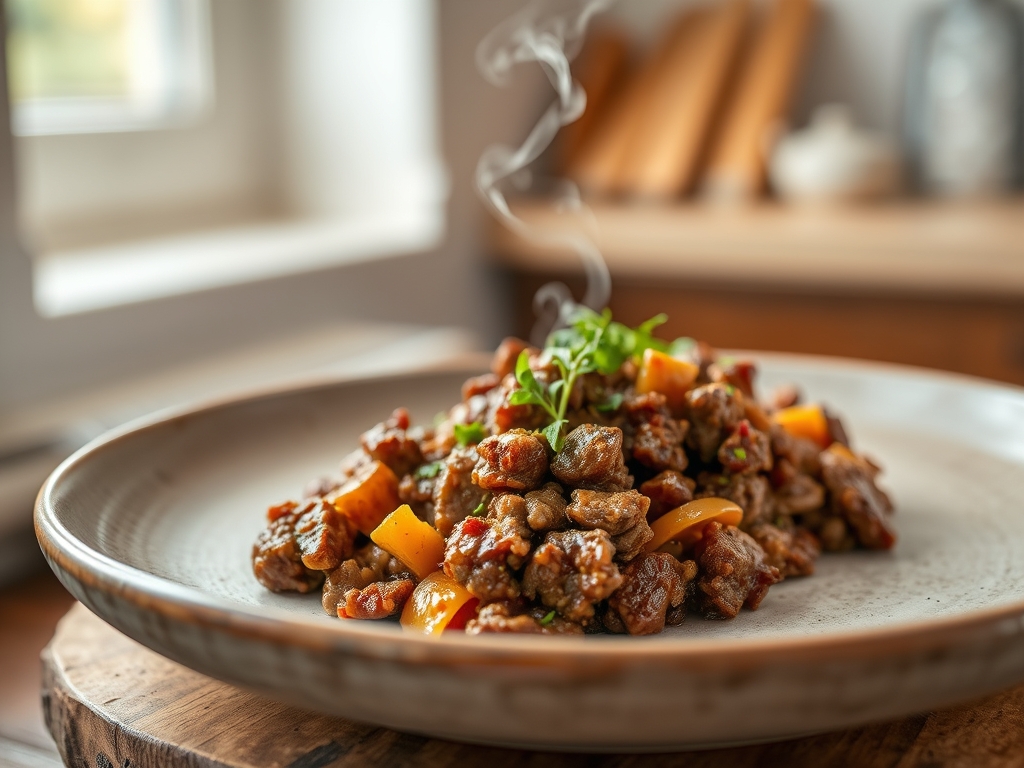
Imagine the sizzle of fat hitting a heavy-bottomed skillet; it is the sound of a thousand tiny chemical reactions beginning at once. The air fills with the scent of toasted garlic and savory browning meat. When life gets chaotic, these one dish ground beef recipes are your absolute secret weapon for delivering gourmet flavor without a mountain of dishes.
We are moving beyond the basic burger. We are talking about deep, complex flavor profiles built in a single vessel. By mastering the art of the sear and the science of the pan sauce, you can transform humble ground protein into a restaurant-quality masterpiece. This is about efficiency meeting high-end culinary technique in your very own kitchen.
The Gathers:
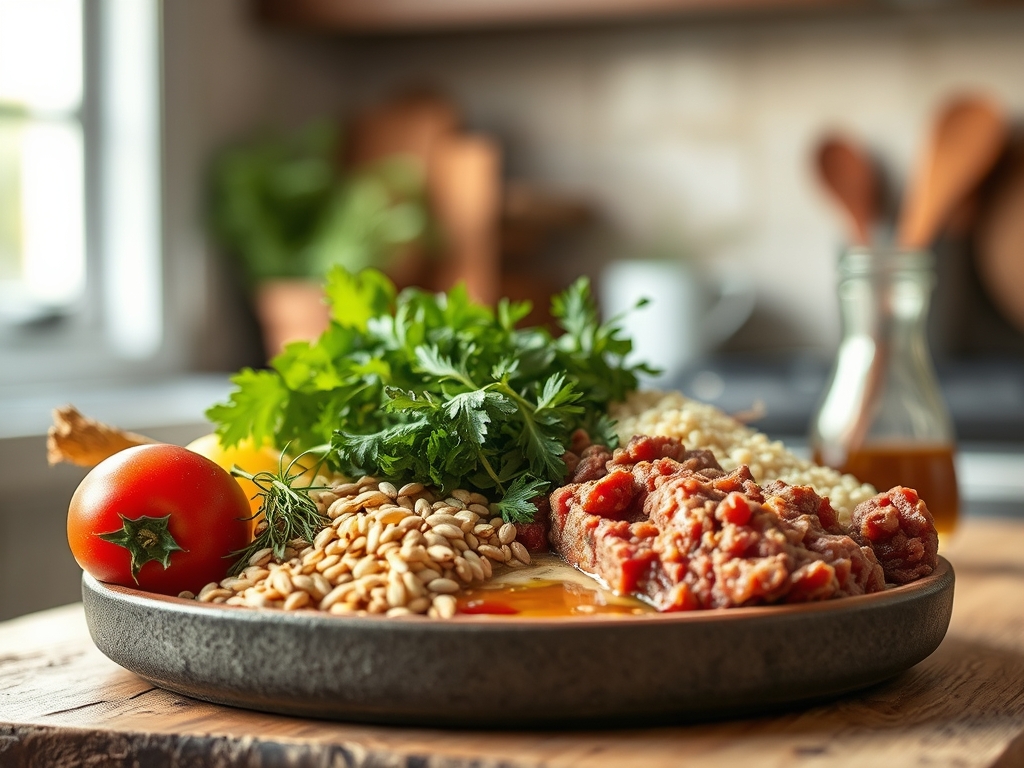
To execute these one dish ground beef recipes with precision, your mise-en-place must be impeccable. Start with high-quality ground chuck, ideally an 80/20 lean-to-fat ratio. This specific ratio ensures there is enough lipid content to render out, providing the conductive medium necessary for the Maillard reaction. You will need aromatics: yellow onions for their high sugar content, cloves of garlic to be processed with a microplane for maximum surface area, and perhaps some piquant ginger or earthy cumin depending on the specific flavor profile you choose.
Your pantry staples should include a high-smoke-point oil like avocado oil and a source of acidity like apple cider vinegar or dry white wine to deglaze the pan. For texture, consider pearled barley, jasmine rice, or even wide egg noodles.
Smart Substitutions:
If you are looking to lighten the caloric load, swap half the beef for finely minced cremini mushrooms. This is known as "The Blend" in professional circles. The mushrooms provide a similar umami profile and texture while reducing saturated fat. If you lack fresh aromatics, a high-quality shallot confit or even a dash of fish sauce can provide that necessary depth of flavor.
The Clock:
Efficiency in the kitchen is all about the "Chef's Flow." For most of these one dish ground beef recipes, you are looking at a 15-minute prep window and a 25-minute cook time. The goal is to minimize downtime. While the beef is browning, you should be using your bench scraper to clear your cutting board of chopped aromatics.
The "Flow" dictates that you never stand idle. While the liquid is reducing, you wash your knives. While the starch is absorbing the broth, you set the table. By the time the timer dings, your kitchen is nearly clean, and your meal is at the perfect temperature for serving. This synchronized approach prevents the "kitchen fatigue" that often follows a complex meal.
The Masterclass:
1. The High-Heat Sear
Heat your heavy-bottomed skillet until a drop of water dances on the surface. Add your oil and then the beef in a single, flat layer. Do not stir it immediately. Let it sit for at least three minutes to develop a deep, mahogany crust.
Pro Tip: This is the Maillard reaction in action. By resisting the urge to stir, you allow the amino acids and reducing sugars to reorganize into hundreds of different flavor compounds. Stirring too early introduces moisture and causes the meat to steam rather than sear.
2. Aromatics and Fat Management
Once the meat is browned, use a slotted spoon to remove it, leaving the rendered fat behind. Toss in your onions and celery. Use a wooden spoon to scrape up the "fond," which are those delicious brown bits stuck to the bottom.
Pro Tip: Fat is a flavor carrier. The volatile aromatic compounds in onions and garlic are fat-soluble. By sautéing them in the rendered beef tallow, you infuse the fat with flavor, which then coats every other ingredient in the dish.
3. The Deglaze and Liquid Build
Return the beef to the pan and add your liquid: broth, wine, or even a splash of soy sauce. Use the liquid to fully lift any remaining fond. This is where you add your starches, like rice or pasta, directly into the pan.
Pro Tip: This is a "one-pot" miracle because the starch absorbs the seasoned liquid directly. As the starch granules heat up, they swell and release amylose, which creates a naturally viscous and silky sauce without needing a separate roux.
4. The Simmer and Emulsification
Lower the heat and cover the pan. Let the ingredients mingle. In the final two minutes, remove the lid and stir vigorously. If the sauce looks broken or oily, add a splash of pasta water or a knob of cold butter.
Pro Tip: This vigorous stirring encourages emulsification. You are mechanically forcing the fat and the water-based broth to bind together. The result is a cohesive, glossy sauce that clings to the beef rather than puddling at the bottom of the plate.
The Deep Dive:
From a nutritional standpoint, these one dish ground beef recipes are powerhouses. A standard serving provides roughly 25 to 30 grams of high-bioavailability protein, alongside essential minerals like zinc and B12. To balance the macros, ensure your dish is at least 30 percent fibrous vegetables like kale, peppers, or broccoli.
Dietary Swaps:
For a Keto version, replace grains with cauliflower rice or zoodles. For a Gluten-Free profile, ensure your broth is certified GF and use tamari instead of soy sauce. If you want to go Vegan, use a plant-based crumble and vegetable stock; just be sure to add a teaspoon of smoked paprika to mimic the "meaty" depth.
The Fix-It:
- Too Salty: Do not add water; add a splash of acid like lemon juice or a pinch of sugar to balance the palate.
- Greasy Sauce: Use a rolled-up paper towel held with tongs to carefully dab the surface of the liquid and soak up excess rendered fat.
- Mushy Grains: If you overcooked the rice, spread the mixture onto a sheet pan and broil for two minutes to crisp up the edges and create a "tahdig" style texture.
Meal Prep Science:
When reheating, the biggest enemy is "Warmed-Over Flavor," caused by lipid oxidation. To prevent this, add a tablespoon of water or broth before microwaving to create steam. This re-hydrates the proteins and prevents the fats from becoming rancid or "funky" in flavor.
The Wrap-Up:
You now have the technical prowess to turn a simple pound of beef into a culinary event. These one dish ground beef recipes are not just about convenience; they are about understanding how heat, fat, and starch interact to create something greater than the sum of its parts. Grab your skillet, trust the sear, and get ready to impress everyone at the table (including yourself).
The Kitchen Table:
What is the best beef for one-pot meals?
An 80/20 ground chuck is ideal. The fat content provides necessary moisture and flavor for the starches to absorb. Leaner blends like 93/7 can become dry and crumbly during the extended simmering process required for one-dish cooking.
How do I prevent my pasta from getting mushy?
Always cook the pasta for two minutes less than the package instructions. The thermal carryover will finish the cooking process once you turn off the heat. This ensures the noodles maintain an "al dente" bite even after sitting.
Can I freeze these one-dish beef meals?
Yes, but with a caveat. Rice-based dishes freeze beautifully, while pasta-based dishes can become soft upon thawing. For best results, undercook the grains slightly before freezing to account for the structural breakdown that occurs during the freezing and reheating cycle.
Why is my ground beef grey instead of brown?
This usually happens because the pan was not hot enough or was overcrowded. When too much meat hits a cool pan, it releases moisture and steams in its own juices. Always sear in batches to maintain a high surface temperature.