
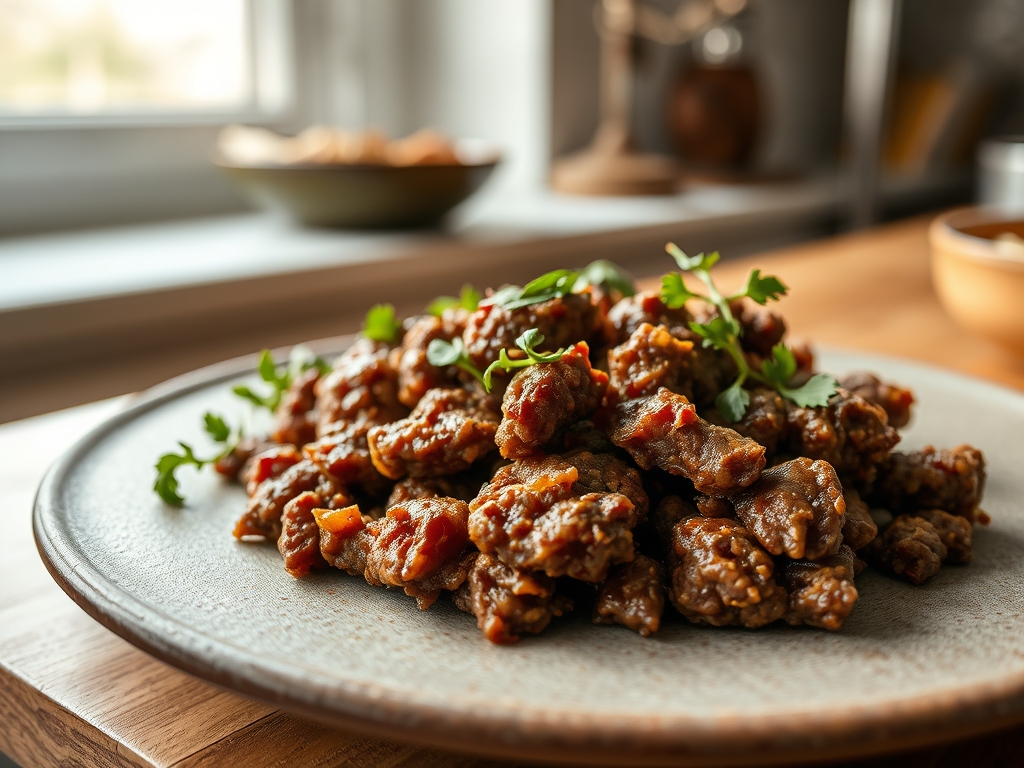
Imagine the sound of cold fat hitting a preheated heavy-bottomed skillet; that sharp, rhythmic sizzle is the overture to your evening. We are ditching the uninspired burger for a repertoire of simple ground beef recipes for dinner that rely on chemistry rather than luck. Whether it is a Tuesday or a frantic Sunday, these ten meals turn humble protein into a velvet, savory masterpiece.
The beauty of ground beef lies in its surface area. Unlike a solid steak, the millions of tiny crevices in minced meat allow for maximum Maillard reaction, that magical chemical transformation where amino acids and reducing sugars create hundreds of flavor compounds. We are going to harness that browning to build deep, umami-rich foundations for everything from Korean-inspired bowls to Mediterranean stuffed peppers. Forget the dry, gray crumbles of your childhood. We are aiming for caramelized edges, tender interiors, and sauces so viscous they cling to your fork with intention. Grab your favorite apron and a glass of wine; we are about to turn your kitchen into a high-efficiency flavor laboratory where stress is strictly forbidden and the results are consistently spectacular.
The Gathers:
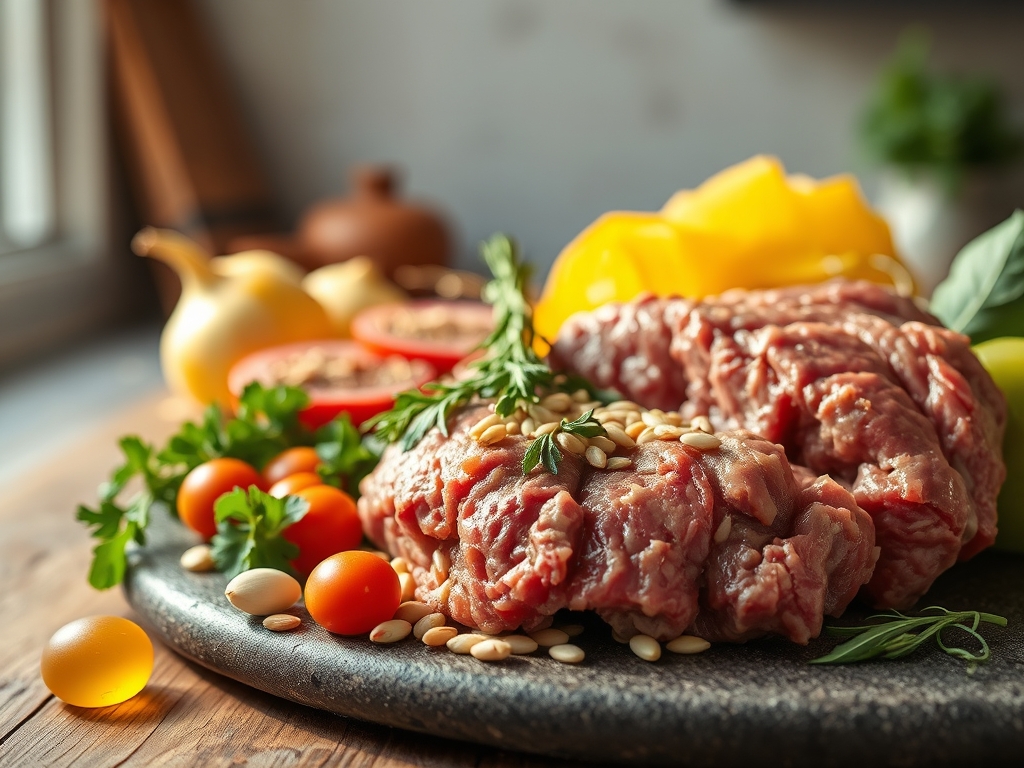
Before we ignite the burners, we must respect the mise-en-place. For these simple ground beef recipes for dinner, your primary asset is the fat-to-lean ratio. I recommend an 80/20 blend; the twenty percent fat content provides the necessary lipids to render and fry the meat in its own juices, ensuring a succulent mouthfeel. You will need a reliable digital scale to portion your protein precisely, ensuring even cooking times across the board.
Our secondary players include aromatics like shallots and garlic, which contain sulfur compounds that mellow into sweetness when heated. Keep a microplane handy for zesting citrus or grating ginger to add a piquant lift to heavier dishes. For acids, keep rice vinegar and dry sherry on standby to deglaze your pans, lifting those caramelized brown bits (the fond) back into your sauces.
Smart Substitutions:
If you are looking to lighten the caloric load, you can swap half the beef for finely minced cremini mushrooms. This is a technique called "The Blend." Mushrooms share the same savory ribonucleotides as beef, so you maintain that meaty punch while increasing fiber and reducing saturated fat. If you lack a specific herb like cilantro, flat-leaf parsley provides a similar chlorophyll freshness without the polarizing soapy finish.
The Clock:
In professional kitchens, we live by "Chef's Flow," a sequence of operations designed to eliminate "dead time." Most of these simple ground beef recipes for dinner require a 10-minute prep window and a 20-minute cook time. The secret is to use your prep time to aerate your vegetables and measure spices while the skillet reaches its smoke point.
Do not rush the browning. If you crowd the pan, the moisture released by the meat will turn to steam, boiling the beef rather than searing it. This adds five minutes to your clock but subtracts fifty percent of your flavor. By allowing the meat to sit undisturbed for three minutes before breaking it up with a stiff spatula or bench scraper, you achieve a superior crust in less total time.
The Masterclass:
1. The Perfect Sear
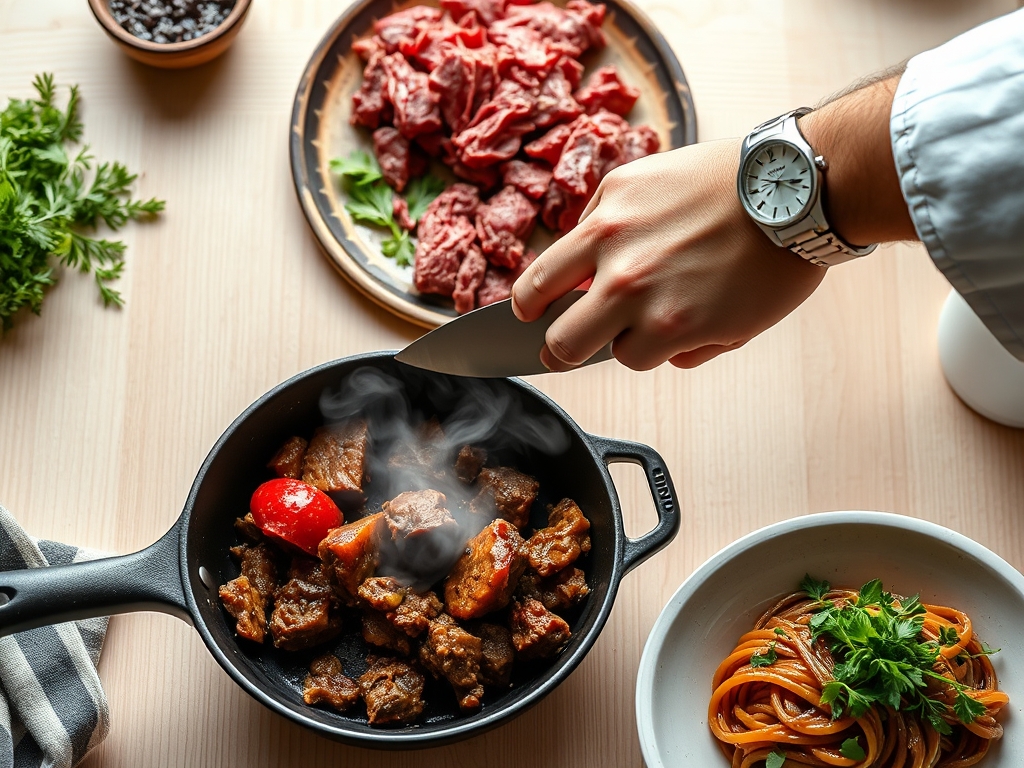
Place your heavy-bottomed skillet over medium-high heat until a drop of water dances and evaporates instantly. Add the beef in a single, flat disc. Do not touch it.
Pro Tip: This patience allows for enzymatic browning. Moving the meat too early drops the pan temperature and prevents the crust from forming, which is where all the complex flavor molecules reside.
2. Deglazing the Fond
Once the meat is browned and removed, add a splash of liquid (broth, wine, or vinegar) to the hot pan. Use a wooden spoon to scrape the bottom.
Pro Tip: This process captures the fond, the concentrated proteins stuck to the pan. This creates a built-in sauce base that is naturally rich in umami.
3. Emulsifying the Sauce
Add your fats (butter or cream) and liquids to a saucier. Whisk vigorously as the sauce reduces to incorporate the fats into the water-based liquids.
Pro Tip: Achieving a stable emulsification ensures your sauce is glossy and thick rather than greasy. The proteins in the beef help act as a natural stabilizer.
4. Resting the Meat
Always allow your final dish to sit for three to five minutes before serving.
Pro Tip: This accounts for thermal carryover, where the internal temperature continues to rise slightly. Resting allows the muscle fibers to relax and reabsorb juices, preventing a dry texture.
The Deep Dive:
From a macro perspective, ground beef is a powerhouse of bioavailable iron, B12, and zinc. An average 4-ounce serving provides roughly 28 grams of protein. To balance the plate, pair these simple ground beef recipes for dinner with complex carbohydrates like quinoa or roasted sweet potatoes to prevent glucose spikes.
Dietary Swaps:
For my Keto friends, replace traditional noodles with zoodles or spaghetti squash. If you are Gluten-Free, ensure your soy sauce is substituted with tamari or coconut aminos to avoid hidden wheat. For a Vegan twist, high-quality pea-protein crumbles behave almost identically to beef in terms of texture and browning capabilities.
The Fix-It:
- Greasy Sauce: If your sauce is breaking, add a tablespoon of starchy pasta water. The starches act as a bridge between the fat and water molecules.
- Tough Meat: You likely over-worked the meat before cooking. Next time, handle the beef as little as possible to keep the protein strands loose.
- Bland Flavor: You need more acid. A squeeze of lime or a drop of red wine vinegar at the very end will "brighten" the dish and cut through the fat.
Meal Prep:
When reheating, use a splash of beef broth to provide steam. This prevents the proteins from tightening further in the microwave, maintaining "day-one" tenderness. Avoid high heat; a low and slow reheat in a covered skillet is the gold standard for quality retention.
The Wrap-Up:
Mastering simple ground beef recipes for dinner is about more than just feeding yourself; it is about reclaiming your evening with confidence and scientific flair. By understanding how heat interacts with protein and how acids balance fats, you transform a grocery staple into a gourmet experience. These ten dishes are your new kitchen pillars. They are fast, they are smart, and they are undeniably delicious. Now, get that skillet screaming hot and show that ground beef who is boss!
The Kitchen Table:
How do I prevent ground beef from becoming gray?
Avoid crowding the pan. Cook in batches if necessary to ensure moisture evaporates quickly. This allows the temperature to stay high enough for the Maillard reaction to occur, creating that rich, brown color and deep savory flavor.
Can I freeze cooked ground beef meals?
Yes, cooked beef freezes beautifully. Ensure the dish reaches room temperature before sealing in an airtight container to prevent ice crystals. Label with the date; most beef dishes maintain peak quality for up to three months in a standard freezer.
What is the best way to drain excess fat?
Carefully tilt your heavy-bottomed skillet and use a spoon to remove liquid fat into a heat-safe ceramic jar. Never pour grease down the drain. Leaving a tablespoon of fat in the pan is actually beneficial for sautéing your aromatics.
How do I know if ground beef has gone bad?
Trust your senses. If the meat feels slimy to the touch or emits a sour, ammonia-like odor, discard it immediately. While slight oxidation (turning brown) is normal, a vibrant red or pink color usually indicates peak freshness.