
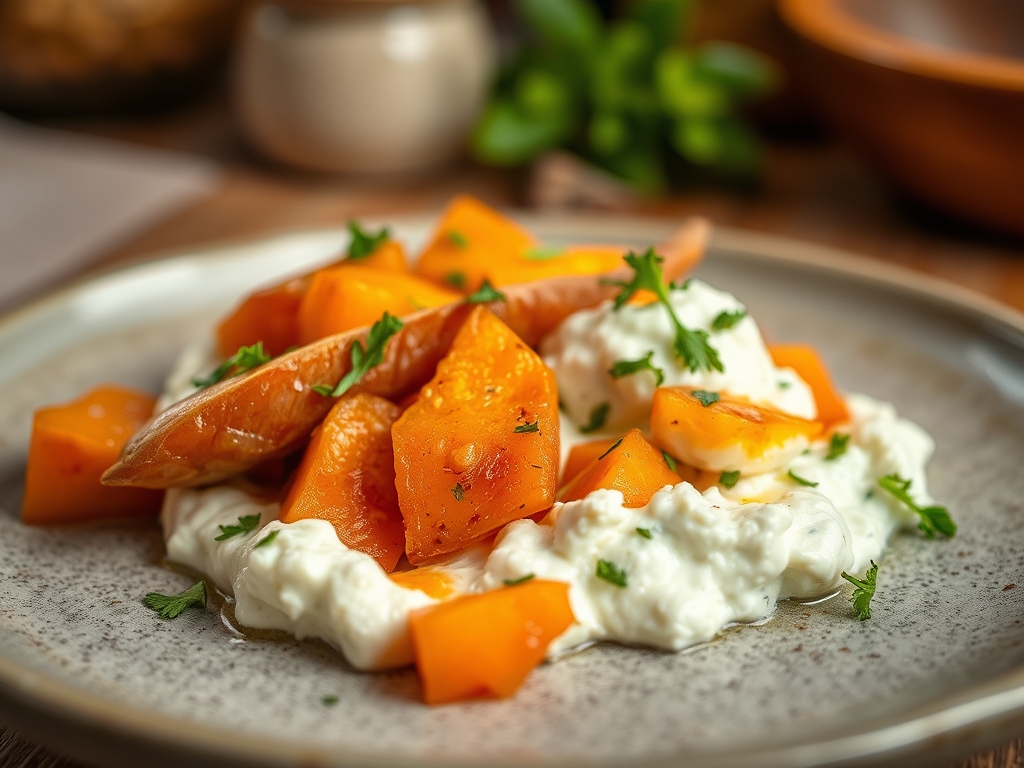
Picture a golden, velvet-smooth puree swirling into a cloud of protein-packed curds. It is the ultimate culinary marriage of complex carbohydrates and high-quality dairy. If you have been searching for the perfect balance of comfort and nutrition, these cottage cheese and sweet potato recipes are your new kitchen obsession. We are talking about a texture that is simultaneously airy and dense, providing a slow-burning energy source that keeps your glucose levels steady while satisfying that deep, primal craving for something creamy.
The magic happens at the molecular level. Sweet potatoes bring a natural saccharine depth thanks to maltose conversion during roasting, while the cottage cheese introduces a sharp, lactic tang and a structural integrity that prevents the dish from becoming a simple mush. Whether you are whipping these into a savory breakfast bowl or folding them into a decadent dessert base, the versatility is unmatched. We are moving beyond the basic baked potato and into a realm where high-protein satiety meets gourmet flair. Grab your favorite apron; we are about to transform these humble pantry staples into a week of sophisticated, body-fueling meals that taste like a total indulgence.
The Gathers:
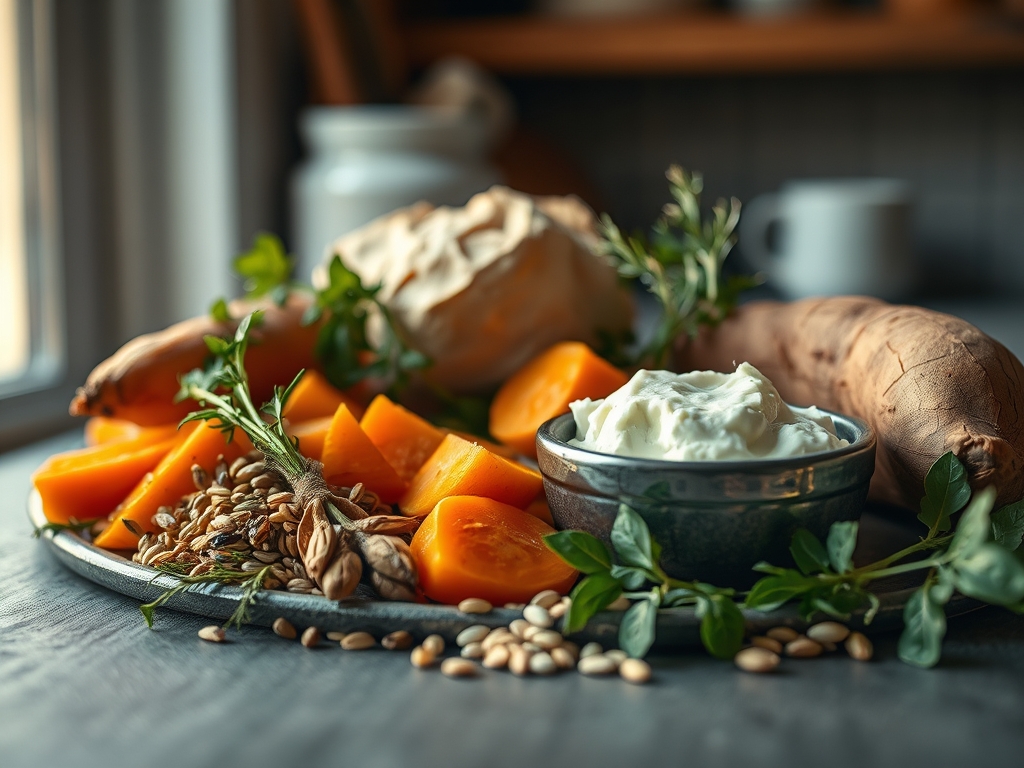
To execute these cottage cheese and sweet potato recipes with precision, your mise-en-place must be impeccable. Start with the star: the Beauregard or Jewel sweet potato. These varieties contain the highest amylase activity, ensuring a moist, syrupy interior when heated. For the dairy, opt for a small-curd cottage cheese with at least 4 percent milk fat. The lipids are essential for a viscous mouthfeel and to carry the fat-soluble vitamins found in the tubers.
You will also need high-quality aromatics. Fresh rosemary and thyme provide a piquant herbaceous note that cuts through the richness. Keep a bottle of cold-pressed olive oil and a container of flaky sea salt nearby to enhance the mineral profile. For the "Smart Substitutions," if you are avoiding lactose, a cultured almond-based ricotta offers a similar acidity. If you need a lower glycemic index, swap half of the sweet potato for roasted butternut squash; the flavor remains consistent while the carbohydrate density drops. Always use a digital scale for your measurements to ensure the protein-to-starch ratio remains perfectly balanced for optimal texture.
The Clock:
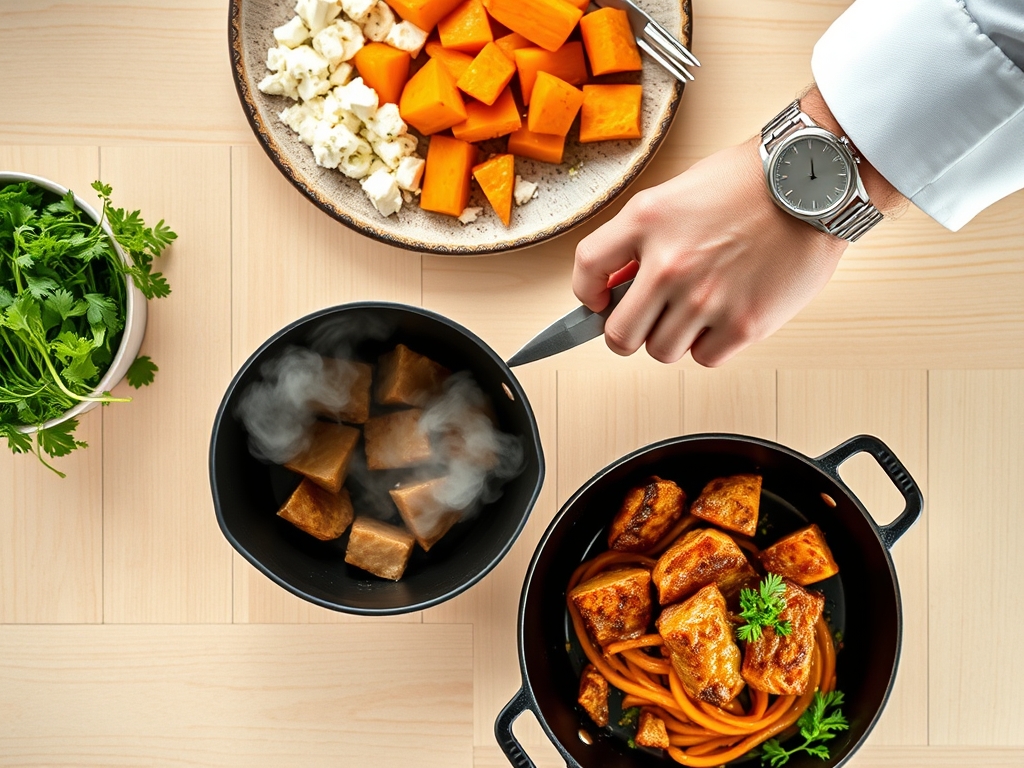
Efficiency in the kitchen is all about the "Chef's Flow." Total active prep time for these recipes is approximately 15 minutes, but the clock truly starts with the roasting phase. Expect a 45-minute window for the potatoes to reach peak caramelization in a 400-degree oven. While the tubers undergo their transformation, you will spend 5 minutes using a saucier to infuse your oils or prep your cold toppings.
The "Flow" dictates that you process your cottage cheese while the potatoes are in their final ten minutes of cooking. This ensures the dairy remains chilled and stable before meeting the heat. If you are meal prepping for the week, roasting a large batch of potatoes on Sunday allows you to whip up any of these ten variations in under 5 minutes on a Tuesday morning. Timing is the difference between a soggy mess and a structured, gourmet bowl.
The Masterclass:
1. The High-Heat Roast
Place your halved sweet potatoes skin-side down on a parchment-lined sheet. Rub the flesh with a light coating of oil to facilitate heat transfer. Roast at 400 degrees Fahrenheit until the edges show signs of dark browning.
Pro Tip: This browning is the Maillard reaction, a chemical reaction between amino acids and reducing sugars that creates hundreds of different flavor compounds. Do not pull them out too early; that char is where the complexity lives.
2. The Curd Aeration
While the potatoes roast, place your cold cottage cheese into a high-speed blender or use a stick blender in a deep vessel. Pulse until the texture is completely smooth and resembles a thick crema.
Pro Tip: Aerating the cheese incorporates tiny air bubbles that lighten the density. This prevents the final dish from feeling "heavy" on the palate and allows the flavors to bloom more effectively.
3. The Flavor Infusion
In a small heavy-bottomed skillet, heat a tablespoon of butter or oil with cracked black pepper and fresh sage. Allow the herbs to crisp slightly and the butter to brown.
Pro Tip: This process allows the essential oils in the herbs to infuse into the fat. Since flavor is fat-soluble, this step ensures every bite of your cottage cheese and sweet potato recipes is seasoned from the inside out.
4. The Precision Fold
Once the potatoes are tender, scoop the flesh into a bowl and gently fold in the aerated cottage cheese. Use a silicone spatula to combine them until just marbled.
Pro Tip: Avoid over-mixing. You want to maintain the structural integrity of the potato fibers. Over-working the starch can lead to a gluey texture due to excessive cell rupture.
5. The Final Garnish
Use a microplane to zest fresh lemon or grate hard parmesan over the top. Add a final sprinkle of toasted seeds or nuts for a textural contrast.
Pro Tip: The acidity in the lemon zest acts as a flavor brightener. It provides a necessary contrast to the sweetness of the potato and the creaminess of the cheese, balancing the overall pH of the dish.
The Deep Dive:
When we look at the macro nutrition of cottage cheese and sweet potato recipes, we see a powerhouse profile. A standard serving provides roughly 20 grams of protein and 6 grams of fiber. This combination is the "gold standard" for satiety; the protein triggers the release of fullness hormones like PYY, while the fiber slows gastric emptying.
For dietary swaps, those on a Keto path should replace the sweet potato with roasted cauliflower mash to keep net carbs low while maintaining the creamy vessel. Vegans can utilize a silken tofu and nutritional yeast blend to mimic the cottage cheese's amino acid profile and tangy flavor.
The Fix-It: Common Pitfalls
- Watery Base: If your cottage cheese is too wet, strain it through cheesecloth for 10 minutes before blending. This removes excess whey.
- Grainy Potato: This happens if the potato was undercooked. To fix, add a splash of warm almond milk and hit it with the immersion blender to force an emulsion.
- Bland Flavor: If it tastes flat, it lacks acid. Add a teaspoon of apple cider vinegar or lemon juice to "wake up" the savory notes.
For meal prep, reheating is a science. Avoid the microwave if possible, as it can cause the dairy to separate and become rubbery. Instead, use a small saucier over low heat, adding a teaspoon of water to create steam, which rehydrates the starches without breaking the protein bonds.
The Wrap-Up:
You are now officially equipped to master the art of cottage cheese and sweet potato recipes. We have moved from basic ingredients to a sophisticated understanding of how heat, air, and acid work together to create a nutritional masterpiece. These bowls are more than just food; they are a strategic tool for your busiest days and your most rigorous workouts. Go ahead and experiment with the textures and flavors. Whether you like it spicy with a dash of harissa or savory with a mountain of fresh herbs, the foundation you have built today is foolproof. Get into that kitchen and start blurring the lines between "healthy" and "heavenly."
The Kitchen Table:
Can I make these recipes ahead of time?
Yes. You can roast the potatoes and whip the cottage cheese up to four days in advance. Store them in airtight glass containers. For the best texture, combine them just before serving to prevent the starch from absorbing all the dairy moisture.
What is the best type of cottage cheese to use?
A full-fat, small-curd cottage cheese is superior for these recipes. The higher fat content creates a more stable emulsion when mixed with the warm potato, resulting in a silkier mouthfeel and better nutrient absorption of the potato's Vitamin A.
How do I prevent the sweet potato from getting soggy?
Roast the potatoes at a high temperature (400F+) and avoid wrapping them in foil. Foil traps steam, which results in a boiled texture. Roasting uncovered on a sheet pan allows moisture to escape, concentrating the natural sugars and firming the flesh.
Is this recipe suitable for post-workout recovery?
Absolutely. The sweet potatoes provide the fast-acting glucose needed to replenish glycogen stores, while the cottage cheese offers slow-digesting casein protein to support muscle protein synthesis over several hours. It is an ideal recovery meal for athletes and active individuals.