
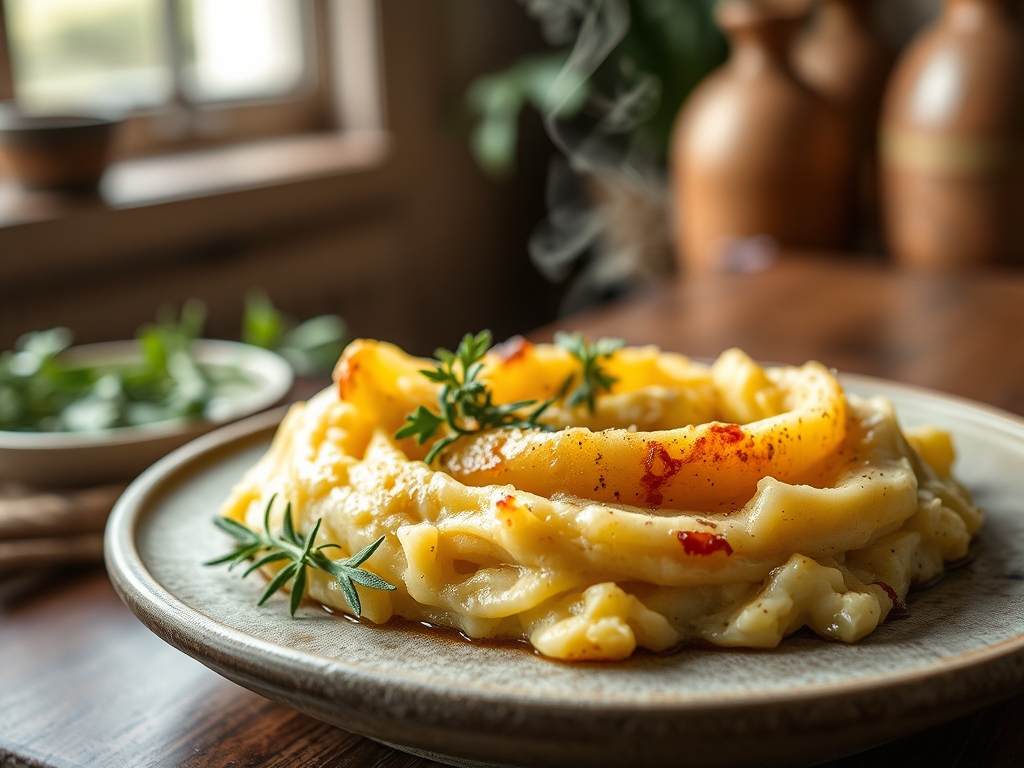
Steam rises in a fragrant, buttery cloud as you plunge your masher into a pot of golden Yukon Golds. It is the ultimate comfort food; however, the traditional version often carries a heavy caloric burden. Finding the perfect low calorie mashed potato recipes means balancing the velvety texture you crave with clever, science backed ingredient swaps that do not sacrifice flavor.
The secret lies in understanding the molecular structure of the potato itself. When we boil these tubers, the starch granules swell and eventually burst. If we overwork them, we release too much amylopectin, resulting in a gluey mess. By mastering a few professional techniques and utilizing high intensity flavor boosters, we can achieve that five star restaurant silkiness while keeping the calorie count remarkably low. We are talking about fluffy, piquant, and deeply satisfying sides that will fool even the most skeptical dinner guests.
Let us dive into the chemistry of the perfect mash. We will explore how to use moisture, aeration, and acidity to mimic the richness of heavy cream and butter. Whether you are prepping for a weeknight dinner or a festive holiday spread, these hacks will transform your kitchen game. Get your digital scale and your favorite apron ready; we are about to redefine comfort food.
The Gathers:
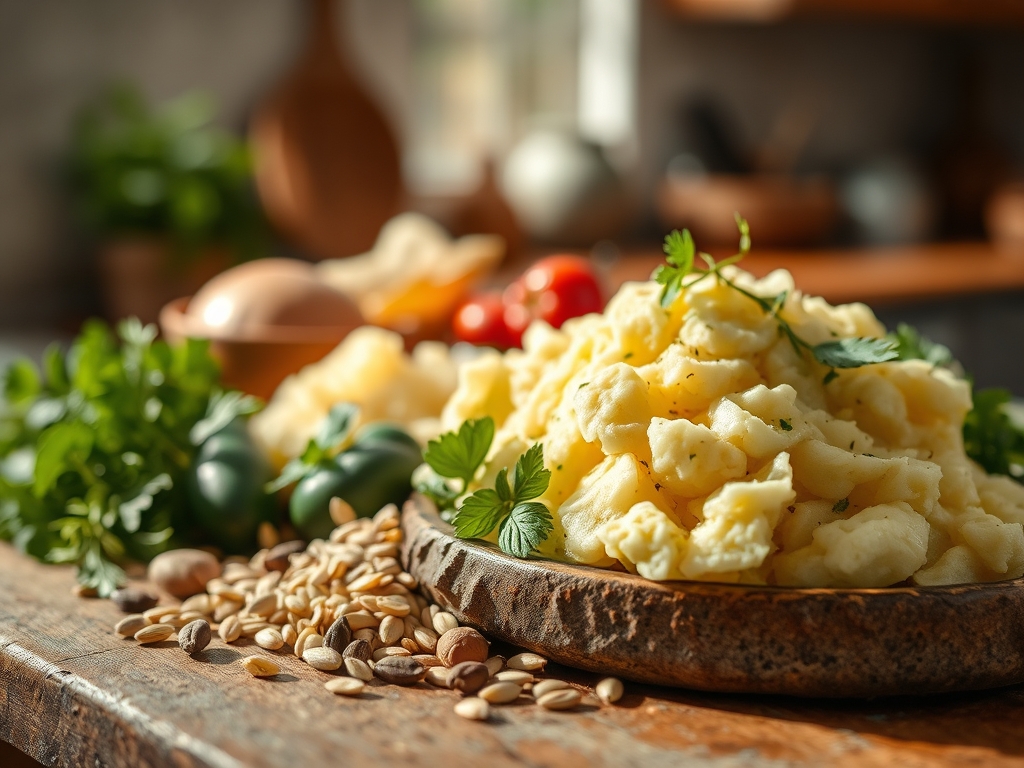
To begin our culinary experiment, we need to assemble our mise en place with precision. Start with your base: Yukon Gold potatoes are the gold standard here because their naturally waxy yet creamy parenchyma cells provide a built in buttery mouthfeel. You will also need high quality chicken or vegetable stock; this is our primary hydrating agent which adds depth without the lipids found in cream.
For our smart substitutions, we are looking at Greek yogurt for a tangy, protein rich lift and roasted garlic to provide a sweet, caramelized base note. Do not forget your aromatics like fresh chives and white pepper. On your workstation, you should have a digital scale for precise portioning, a bench scraper for easy cleanup, and a microplane for zesting any citrus or grating fresh nutmeg. The nutmeg contains myristicin, which enhances the earthy notes of the potato.
Finally, consider the role of salt. We use kosher salt during the boiling process to season the potato from the inside out via osmosis. This ensures that every bite is flavorful, reducing the need for excessive salt at the table. Have your saucier ready to warm your liquids; adding cold liquids to hot potatoes is a cardinal sin that shocks the starches and ruins the texture.
The Clock
Efficiency in the kitchen is all about the Chef's Flow. Expect about 15 minutes of active prep time, which includes peeling and dicing your tubers into uniform one inch cubes. Uniformity is vital; it ensures that every piece reaches the same level of gelatinization at the same time.
The simmering process takes approximately 20 to 25 minutes. You are looking for "fork tender" results where the potato slides off a tester with zero resistance. The final "whip and fold" phase takes another 10 minutes. Total time from pantry to plate is roughly 50 minutes. By multitasking; roasting your garlic while the water boils; you maximize every second of your kitchen residency.
The Masterclass
1. The Cold Start Simmer
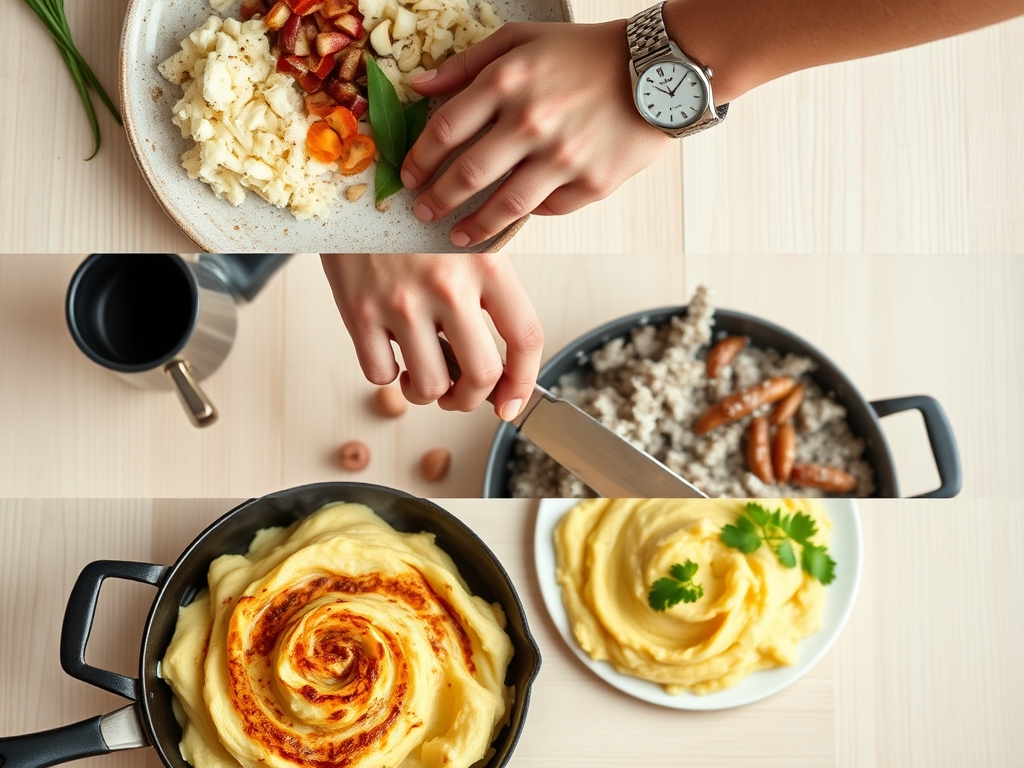
Place your cubed potatoes in a heavy-bottomed skillet or pot and cover them with cold, salted water. Starting with cold water ensures the exterior does not turn to mush before the interior is cooked through. Bring to a boil, then reduce to a steady simmer.
Pro Tip: This method prevents enzymatic browning and ensures even heat distribution. If you drop potatoes into boiling water, the outside starch granules rupture too quickly, leading to an uneven, grainy texture.
2. The Steam Dry Phase
Once drained, return the potatoes to the hot pot for two minutes over low heat. Shake the pot gently to let the residual moisture evaporate. You want the potatoes to look slightly "floury" on the surface.
Pro Tip: Removing excess water is essential for viscous control. By eliminating surface moisture, you create "room" for your flavorful low calorie liquids to be absorbed into the starch matrix.
3. The Infusion Warm Up
While the potatoes dry, use your saucier to warm your stock, garlic, and a splash of almond milk. Do not let it boil; just bring it to a gentle simmer. This is where you can infuse herbs like rosemary or thyme before straining them out.
Pro Tip: Warm liquids maintain the thermal carryover of the potatoes. Cold liquids cause the starch to contract and become gummy, whereas warm liquids integrate seamlessly into the cellular structure.
4. The Aeration Station
Use a potato ricer or a food mill for the smoothest results. If you prefer a rustic mash, use a traditional masher but avoid the electric mixer at all costs. Gently fold in your warmed liquid infusion and a dollop of non fat Greek yogurt.
Pro Tip: Ricing the potatoes allows you to aerate the mixture. Incorporating air creates volume and a light, pillowy mouthfeel that mimics the richness of high fat fats without the actual calories.
5. The Flavor Punch
Add your finishing touches: freshly snipped chives, a grating of lemon zest using your microplane, and a pinch of white pepper. If you want a "buttery" finish without the butter, add a teaspoon of nutritional yeast for a savory, nutty profile.
Pro Tip: High acid ingredients like lemon zest act as a flavor enhancer. They trigger salivation, which helps distribute the flavor compounds across your palate more effectively.
6. The Final Fold
Use a silicone spatula to give the mash one final, gentle fold. This ensures all the aromatics are evenly distributed without overworking the starch. Serve immediately in a warmed bowl to retain heat.
Pro Tip: Over mixing at this stage triggers starch retrogradation as the potatoes cool. Keeping the movement minimal preserves the delicate, fluffy bonds you have worked so hard to create.
The Deep Dive
When we look at the macro nutrition, these low calorie mashed potato recipes typically clock in at about 110 calories per serving, compared to the 250 calories in traditional versions. You are getting complex carbohydrates, vitamin C, and potassium, with significantly less saturated fat.
For Dietary Swaps, vegans can easily substitute chicken stock with a rich mushroom dashi for umami. Keto followers might swap half the potatoes for steamed cauliflower, which reduces the glycemic load while maintaining the bulk. If you are gluten free, you are already in the clear, as potatoes are naturally GF.
The Fix-It:
- Too Soupy: If you added too much liquid, stir the mash over low heat in a heavy-bottomed skillet to evaporate the excess.
- Too Gluey: This is usually from over mixing. You cannot "un-glue" them, but you can transform them into a delicious potato pancake by adding a little flour and searing them.
- Lumpy: Pass the mixture through a fine mesh sieve using the back of a spoon to break down stubborn bits.
Meal Prep: To reheat and maintain "day-one" quality, use a double boiler method. Adding a splash of warm stock and whisking gently will restore the viscous silkiness without drying out the edges.
The Wrap-Up
Mastering low calorie mashed potato recipes is truly a win for your culinary repertoire. By focusing on the science of starch and the power of aromatic infusions, you can enjoy a decadent, velvety side dish any night of the week. Remember to treat your ingredients with respect; use the right tools, watch your temperatures, and never, ever overwork your mash. You have the skills and the secrets; now go make some magic in that kitchen!
The Kitchen Table
Can I make these ahead of time?
Yes; store them in an airtight container for up to three days. Reheat slowly with a splash of warm broth to maintain the fluffy texture and prevent the starch from becoming too dense or dry.
What is the best potato for low calorie mashing?
Yukon Golds are superior because their natural creaminess requires less added fat. Their dense texture provides a rich mouthfeel that waxy or starchy Russets often lack when butter is removed from the equation.
How do I add flavor without butter?
Utilize roasted garlic, nutritional yeast, or high quality vegetable reductions. These ingredients provide "umami" and savory depth. Fresh herbs and citrus zest also brighten the dish, making the absence of fat less noticeable to the palate.
Why did my potatoes turn out gummy?
Gummy potatoes result from overworking the starch. When cells rupture excessively, they release amylopectin, which creates a sticky, glue like consistency. Use a ricer and a gentle folding technique to avoid this common technical pitfall.