
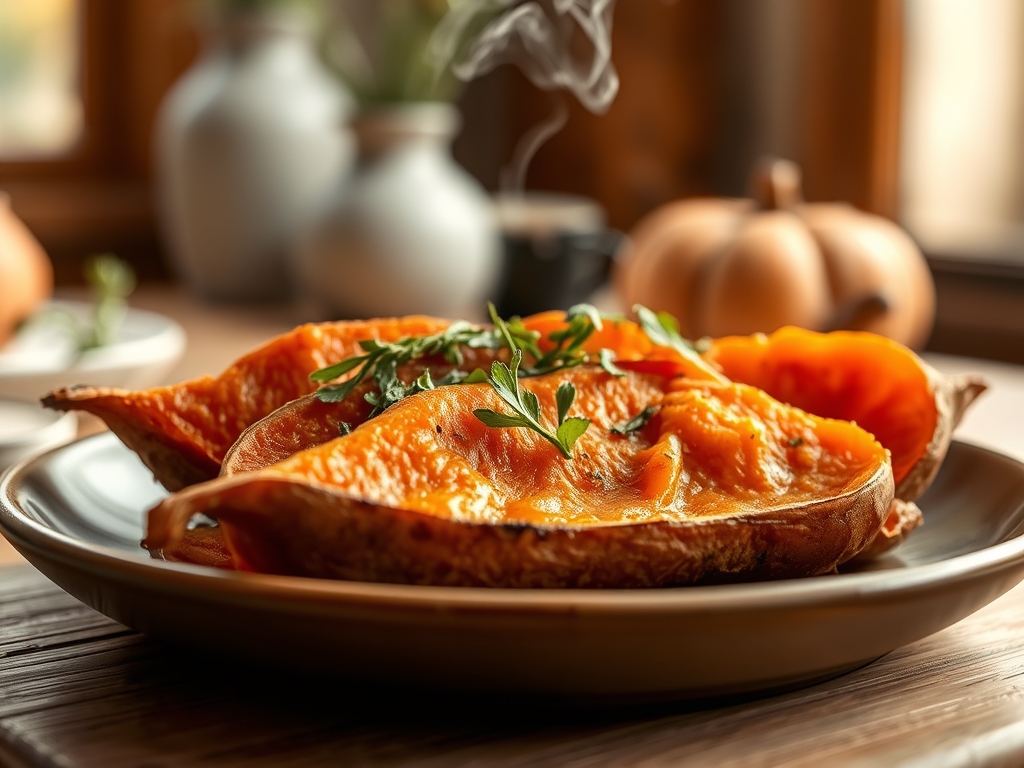
Imagine the kitchen at three in the afternoon on Thursday; the air is thick with the scent of toasted pecans and the earthy, caramelized perfume of roasting tubers. We all love the classics, but your table deserves a glow up that does not end in a sugar crash. Finding healthy thanksgiving sweet potato recipes that actually taste like a decadent indulgence is the ultimate culinary flex. We are moving past the era of neon marshmallows and syrupy canned glazes. Instead, we are leaning into the natural chemistry of the Ipomoea batatas to create textures that range from velvety silk to crispy, jagged edges. This is about honoring the vegetable while using modern technique to elevate it. We are going to harness the power of high heat and smart fats to ensure your guests are scraping their plates. It is time to treat the sweet potato with the same respect as a prime cut of protein; with precision, seasoning, and a little bit of kitchen magic.
The Gathers:
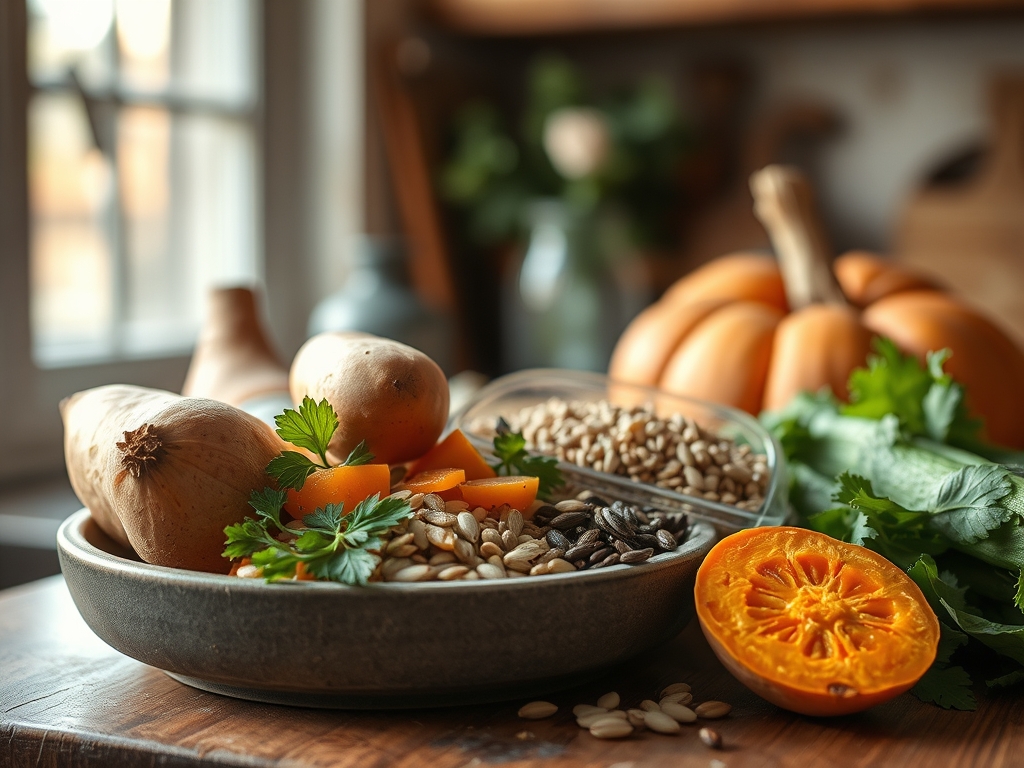
Before we light a single burner, we must assemble our mise-en-place with surgical intent. Start with firm, copper-skinned Garnet or Jewel sweet potatoes; these varieties possess the high sugar content necessary for a deep Maillard reaction. You will need a digital scale to ensure uniform sizing, which guarantees even cooking across the board. For our fats, we are swapping heavy cream for full-fat coconut milk or Greek yogurt to introduce a viscous mouthfeel without the saturated fat overload.
Gather your aromatics: fresh sage, rosemary, and thyme. Use a microplane to zest orange peel and grate fresh ginger; these provide a piquant counterpoint to the tuber's inherent sweetness. For "Smart Substitutions," replace brown sugar with maple syrup or date paste to lower the glycemic index while adding complex, woody notes. Use toasted pepitas or walnuts instead of processed toppings to add a crucial crunch. Ensure you have a heavy-bottomed skillet and a sharp chef's knife ready. Precision in your dice is not just for aesthetics; it dictates how the heat penetrates the starch molecules.
The Clock
Efficiency in a holiday kitchen is about "Chef's Flow." This is the art of overlapping tasks so no minute is wasted. Total active prep time for these variations averages forty-five minutes, while roasting and simmering require another hour of passive time.
Start by preheating your oven to 425 degrees Fahrenheit. High heat is non-negotiable for achieving a crisp exterior. While the oven stabilizes, perform all your knife work. Use a bench scraper to clear your board quickly between tasks. If you are making a mash, start the steaming process immediately. If you are roasting, get those trays in the oven early. The goal is to have your sweet potato dishes finished and resting while the turkey undergoes its final render and rest. This allows the internal temperature of your potatoes to stabilize, ensuring they stay hot without drying out.
The Masterclass
1. The Perfect Roast
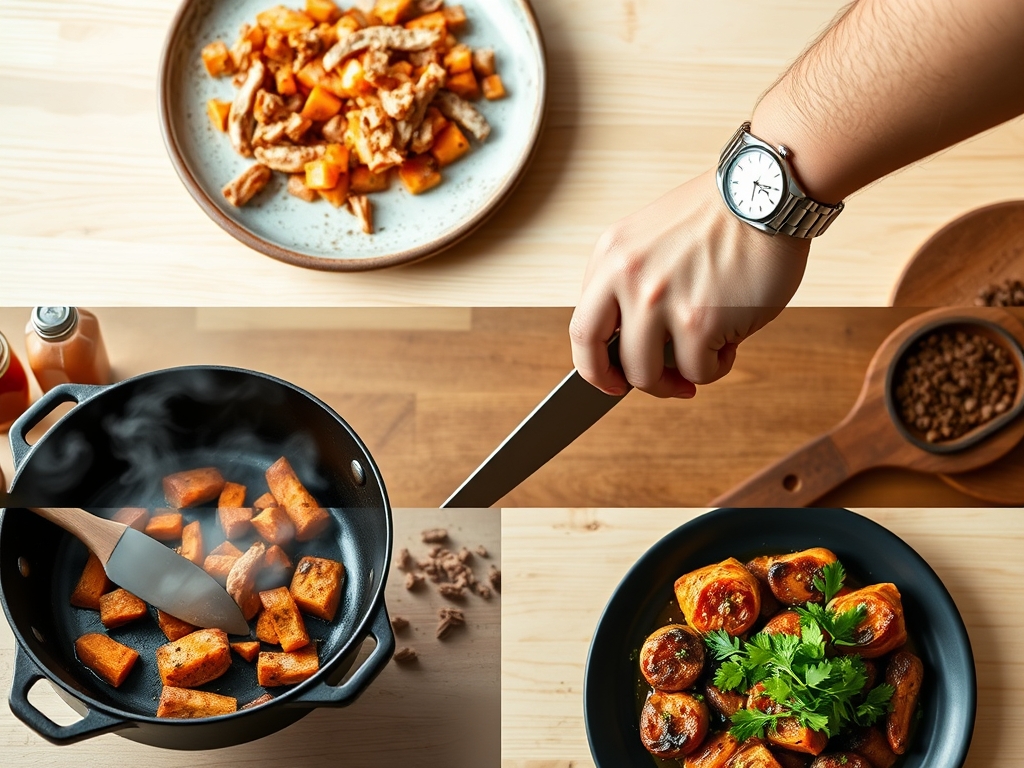
Toss your cubed potatoes in avocado oil and sea salt. Arrange them on a preheated baking sheet to trigger immediate searing.
Pro Tip: This technique utilizes conduction to jumpstart the Maillard reaction. By heating the pan first, you prevent the starch from sticking and ensure a golden crust before the interior turns to mush.
2. The Velvety Mash
Steam the potatoes until tender, then pass them through a ricer into a warm saucier. Fold in a splash of vegetable stock and a hint of nutmeg.
Pro Tip: Using a ricer instead of a masher prevents the overworking of starch granules. If you over-agitate, the texture becomes gluey rather than light and aerated.
3. The Hasselback Slice
Slice thin slits into the potato, stopping just before the base. Brush with a garlic-infused olive oil.
Pro Tip: This increases the surface area exposed to dry heat. As the moisture evaporates, the "fins" of the potato crisp up, creating a textural contrast between the crunchy edges and the soft core.
4. The Miso-Glaze Infusion
Whisk white miso with a touch of honey and rice vinegar. Brush this over halved potatoes during the last ten minutes of roasting.
Pro Tip: Miso provides umami that balances the natural sugars. The fermentation in the miso adds depth that mimics the complexity of aged cheese or browned butter.
5. The Savory Sage Crumble
Pulse walnuts, oats, and fresh sage in a food processor. Sprinkle over mashed potatoes and broil for three minutes.
Pro Tip: The oils in the walnuts infuse the oats during the broiling process. This creates a structural topping that provides a "snap" without the need for refined flour.
6. The Citrus Deglaze
After roasting potatoes in a skillet, remove them and add a splash of orange juice to the hot pan. Scrape up the browned bits and pour back over the potatoes.
Pro Tip: This is called deglazing. The acidity in the juice dissolves the caramelized sugars (fond) stuck to the pan, creating a built-in sauce with zero added fat.
7. The Whipped Chipotle Mousse
Blend cooked sweet potato with a single chipotle in adobo and a dollop of Greek yogurt until completely smooth.
Pro Tip: Capsaicin from the pepper provides a heat that cuts through the density of the starch. The yogurt provides an emulsification that keeps the mousse stable at room temperature.
8. The Hasselback Gratin
Layer thin slices vertically in a baking dish with leeks and thyme. Pour over a light vegetable broth.
Pro Tip: This method uses braising logic. The bottom of the potato softens in the liquid while the tops roast, giving you two distinct textures in one bite.
The Deep Dive
From a macro perspective, sweet potatoes are nutritional powerhouses, loaded with Beta-carotene and fiber. By avoiding heavy creams, we keep the calorie density low while maximizing micronutrient absorption through healthy fats like olive oil. For Vegan guests, swap honey for agave and butter for coconut oil. For Keto modifications, limit the portion size and focus on savory preparations with high-fiber toppings like hemp hearts.
The Fix-It:
If your potatoes are too watery, spread them on a sheet pan and bake at 300 degrees for ten minutes to evaporate excess moisture. If they are too bland, increase the acidity with a squeeze of lemon or a drop of apple cider vinegar. If the edges are burning before the center is soft, tent the dish with foil to trap steam and slow down the exterior browning.
For meal prep, remember that starch retrogradation happens when potatoes cool. To achieve "day-one" quality when reheating, add a tablespoon of water and cover tightly before microwaving or oven-heating. This creates a steam chamber that re-hydrates the starch molecules, restoring that silky texture.
The Wrap-Up
You are now officially armed with the technical prowess to dominate the holiday spread. These healthy thanksgiving sweet potato recipes prove that "healthy" is not a synonym for "boring." By focusing on temperature control, smart infusions, and textural contrast, you are elevating a humble root vegetable into the star of the show. Your guests will leave the table feeling energized rather than sluggish, and you will have the satisfaction of knowing you used real science to create real flavor. Now, grab your tongs, check your oven calibration, and let's get cooking.
The Kitchen Table
Can I prep sweet potatoes the day before?
Yes. Peel and chop them, then submerge them in cold water in the fridge. This prevents enzymatic browning and keeps them crisp. Just pat them completely dry before roasting to ensure they do not steam in the oven.
How do I keep my mash from being gluey?
Avoid using a food processor or blender. These high-speed blades rupture the starch cells, releasing amylose which creates a sticky, gummy texture. Stick to a ricer or a hand masher for a fluffy, light result.
What is the best way to reheat leftovers?
Use the oven at 350 degrees Fahrenheit. Cover the dish with foil to retain moisture. If you are reheating roasted cubes, use an air fryer for three minutes to restore the crispy exterior without drying out the middle.
Why are my roasted sweet potatoes soggy?
You likely overcrowded the pan. When potatoes are too close together, the escaping steam gets trapped, boiling the potatoes instead of roasting them. Give each piece space to ensure the hot air can circulate and crisp the skin.