
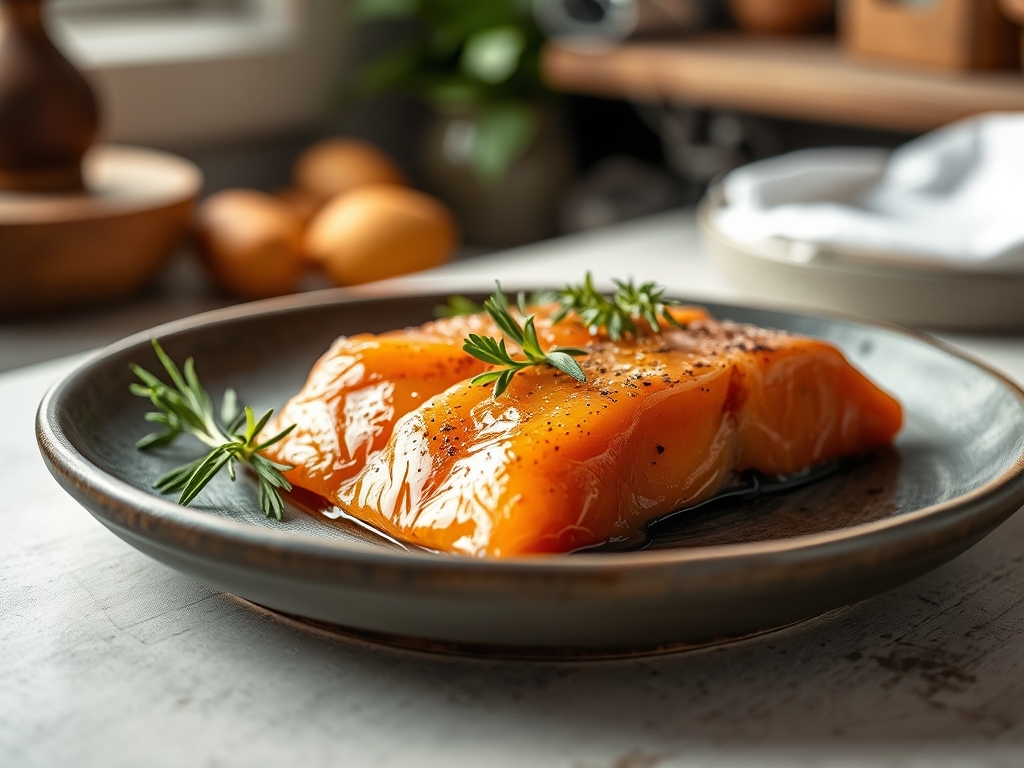
The scent of cold-smoked oak and the delicate, oceanic saltiness of premium fish is the ultimate siren song for any brunch enthusiast. When you master smoked lox salmon recipes, you are not just making breakfast; you are engineering a sensory experience that balances fatty richness with sharp acidity. Imagine the velvet texture of cured silk meeting the crunch of a toasted crust.
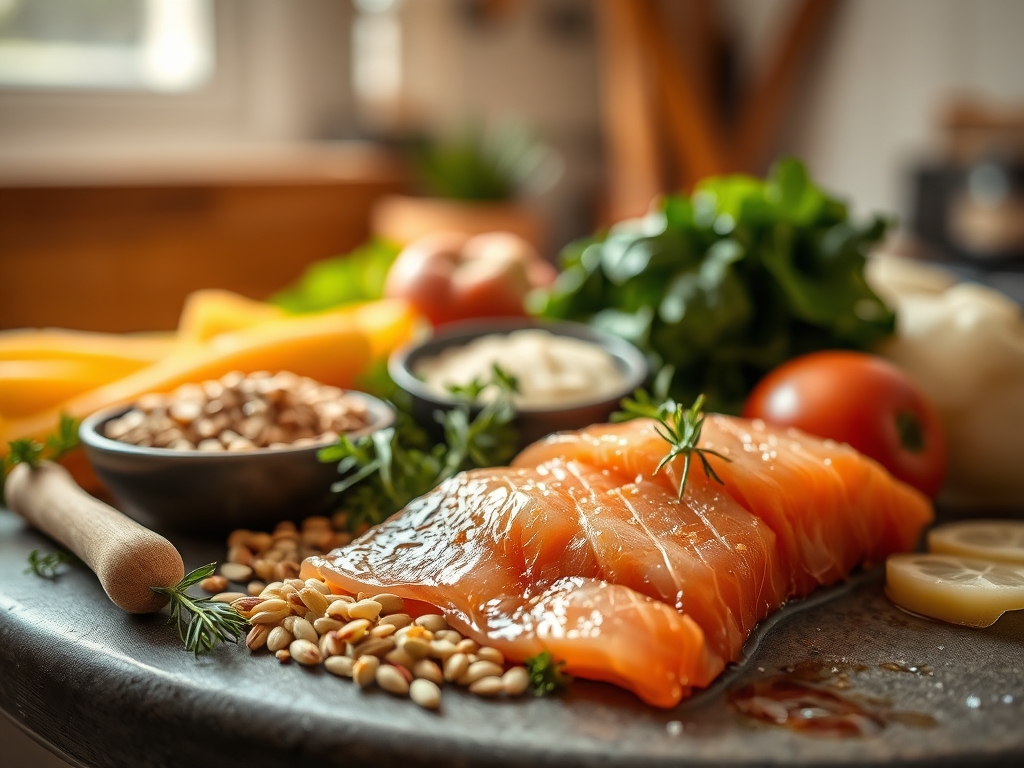
The Gathers:
To execute these hacks with precision, your mise-en-place must be flawless. Start with your protein: look for cold-smoked Atlantic salmon with a translucent, vibrant orange hue. You will need high-fat dairy, specifically a viscous double-cream cheese or a cultured creme fraiche to provide a lactic tang that cuts through the fish oils.
Gather your aromatics: fresh dill, capers for a piquant burst of brine, and red onions sliced to a paper-thin 1.5 millimeters using a mandoline. For the base, artisanal sourdough or high-density bagels are standard, but do not overlook the potential of a crisp potato latke.
Smart Substitutions: If you are out of capers, finely chopped green olives offer a similar salinity. If the heavy cream is missing, a Greek yogurt strained through cheesecloth creates a thick, high-protein spread that mimics the mouthfeel of traditional schmear without the caloric density.
The Clock
Efficiency in the kitchen is all about the Chef's Flow. This is the art of sequencing tasks so that the hottest components meet the coldest toppings at the exact moment of service.
- Prep Time: 15 minutes (slicing, whipping, and organizing).
- Cook Time: 5 to 8 minutes (toasting or searing).
- Total Time: Under 25 minutes.
The "Flow" dictates that you prepare your cold garnishes first. Place your sliced onions in an ice water bath to remove the harsh sulfurous bite. While they crisp, move to your heavy-bottomed skillet or toaster. The goal is to have your "vessel" (the bread or potato) reach peak crispness just as you are ready to assemble, preventing the residual heat from "cooking" the delicate lox and ruining its buttery texture.
The Masterclass
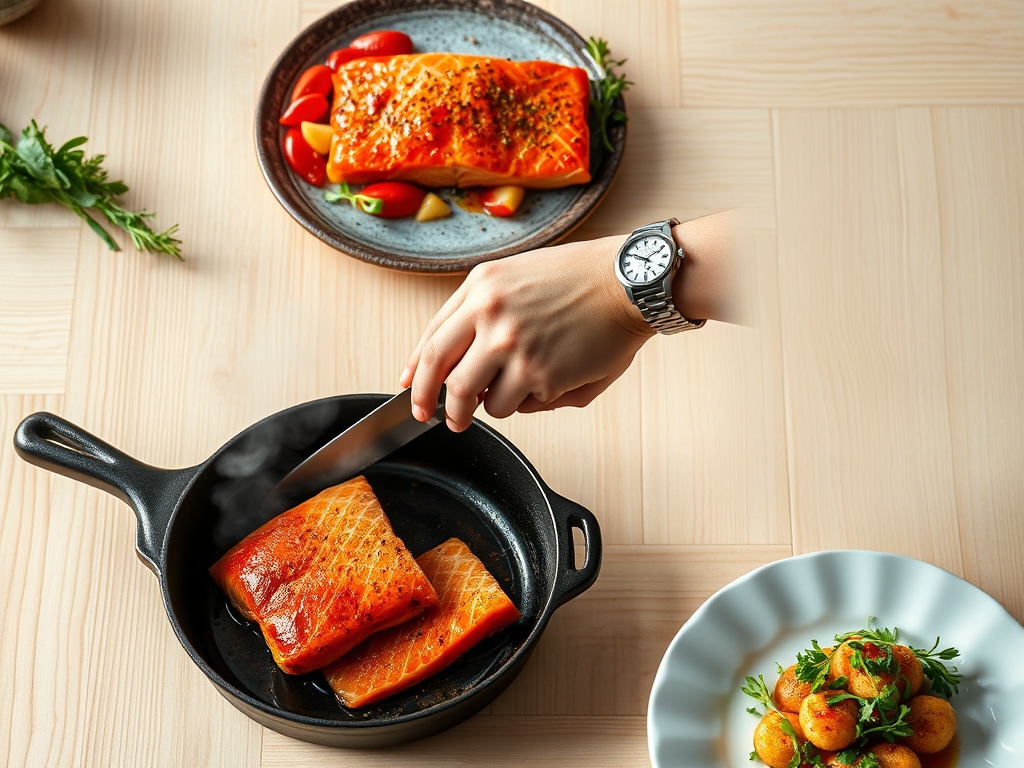
1. The Aerated Schmear
Use a saucier or a stand mixer with a whisk attachment to whip your cream cheese with a splash of lemon juice. This incorporates air bubbles, creating a light, mousse-like consistency that spreads without tearing the bread.
Pro Tip: This process uses mechanical aeration to decrease the density of the fats, making the flavor profile feel lighter on the palate even though the fat content remains the same.
2. The Maillard Base
Whether using a bagel or sourdough, toast your base in a heavy-bottomed skillet with a touch of clarified butter rather than a standard toaster.
Pro Tip: The Maillard reaction occurs when amino acids and reducing sugars rearrange under heat; using butter provides the lipids necessary for a deeper, nuttier flavor profile that complements the smoke of the fish.
3. The Acid Bath
Soak your red onions in a mixture of white vinegar and sugar for ten minutes.
Pro Tip: This is a quick denaturation process. The acid breaks down the cell walls of the onion, softening the texture while the sugar balances the pH, preventing the onion from overpowering the lox.
4. The Microplane Zest
Never use bottled lemon juice. Use a microplane to shave fresh lemon zest directly over the assembled lox.
Pro Tip: The zest contains essential oils (limonene) located in the flavedo. These oils are highly volatile and provide a more intense aromatic experience than the juice alone, which primarily provides citric acid.
5. The Temperature Contrast
Keep your lox on a chilled plate until the very second of assembly.
Pro Tip: This maintains the lipid structure of the fish. If the lox reaches room temperature too early, the fats begin to render and become greasy rather than silky.
6. The Herb Infusion
Finely mince your dill and chives using a very sharp chef's knife to avoid bruising.
Pro Tip: Bruising herbs causes enzymatic browning and loss of flavor. A sharp blade cleanly severs the capillaries, keeping the chlorophyll intact and the flavor "bright."
7. The Caper Crunch
Instead of using wet capers, pat them dry and flash-fry them in a small pan with a teaspoon of olive oil.
Pro Tip: Frying triggers evaporative cooling until the moisture is gone, at which point the caper blossoms like a flower and becomes incredibly crisp, adding a textural layer usually missing from brunch.
8. The Everything Seasoning Distribution
Use a digital scale to mix your own seasoning: equal parts poppy seeds, sesame seeds, dried garlic, and onion flakes.
Pro Tip: Mixing your own allows you to control the sodium chloride levels. Store-bought mixes are often salt-heavy, which can over-season the already salty smoked fish.
9. The Ribbon Fold
Do not lay the lox flat. Use tongs to fold the slices into "ribbons" or "rosettes" on top of the spread.
Pro Tip: This creates surface area and air pockets. When you bite into a folded slice, the air carries the smoky aromas to your olfactory receptors more efficiently than a flat, compressed slice.
10. The Finishing Oil
Drizzle a tiny amount of high-quality extra virgin olive oil over the top.
Pro Tip: This acts as a flavor carrier. Many of the aromatic compounds in the herbs and smoke are fat-soluble; the oil helps distribute these flavors across your taste buds.
The Deep Dive
When we look at the macro profile, smoked lox is a powerhouse of Omega-3 fatty acids and high-quality protein. A standard 3-ounce serving provides roughly 15 grams of protein and a significant dose of Vitamin D.
Dietary Swaps:
- Keto: Replace the bagel with a thick slice of grilled halloumi or a hollowed-out cucumber boat.
- Vegan: Use "carrot lox" (thinly shaved carrots marinated in liquid smoke and miso) and a cashew-based cream cheese.
- Gluten-Free: Opt for a high-quality GF seed bread or a base of roasted sweet potato rounds.
The Fix-It:
- Too Salty? Add a layer of unsalted avocado mash. The fats and fibers will coat the tongue and mute the perception of salt.
- Soggy Bread? You likely applied the schmear while the bread was too hot. Let the bread "vent" for 30 seconds to allow steam to escape before topping.
- Fishy Aftertaste? This usually indicates the fish is slightly past its prime. A heavy dose of fresh dill and extra lemon zest can mask minor oxidation, but always prioritize freshness.
Meal Prep: To store leftovers, wrap the lox tightly in plastic wrap to minimize oxygen exposure. Do not reheat lox in a microwave; the high heat will seize the proteins and create a rubbery texture. If you must "refresh" a sandwich, use a low-heat oven (200F) for just 3 minutes.
The Wrap-Up
Mastering smoked lox salmon recipes is about respecting the chemistry of the ingredients. By focusing on temperature control, acid balance, and textural contrast, you transform a simple deli staple into a gourmet masterpiece. Grab your microplane, sharpen your knives, and get ready to host the best brunch your friends have ever experienced. You have the science; now go make the art.
The Kitchen Table
How long does smoked lox stay fresh in the fridge?
Opened smoked lox typically lasts five to seven days. Ensure it is wrapped airtight to prevent oxidation. If the edges become dry or the color fades, the lipids are oxidizing and the flavor will suffer.
Can I freeze smoked salmon lox?
Yes, you can freeze it for up to three months. Thaw it slowly in the refrigerator for 24 hours to maintain the delicate cellular structure. Avoid rapid thawing, which can make the texture mushy and watery.
What is the difference between lox and smoked salmon?
Traditional lox is salt-cured but not smoked. Most "lox" found in stores is actually Nova salmon, which is both cured and cold-smoked. This process provides the signature smoky aroma while keeping the texture buttery and raw.
Why is my smoked salmon sticking together?
The proteins and fats in the fish can become tacky at room temperature. Use a thin offset spatula or chilled tongs to separate the slices cleanly without tearing the delicate ribbons of flesh.