
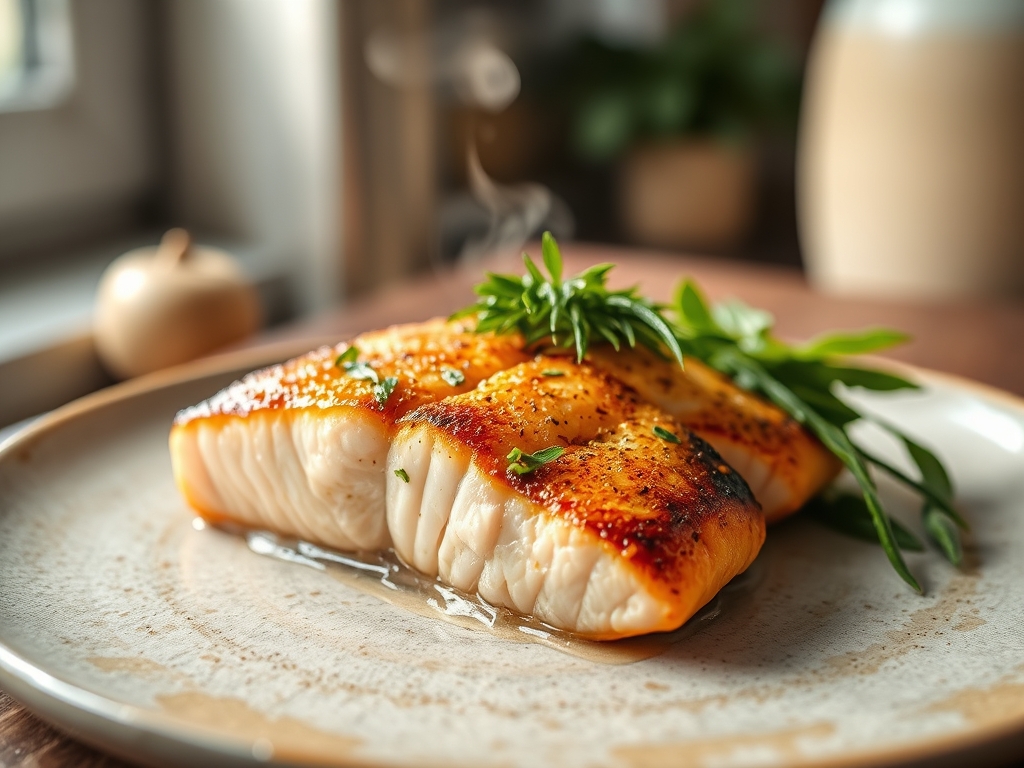
Imagine the sound of a cold, heavy-bottomed skillet meeting a high-flame burner; that sharp, metallic ring is the opening bell for a kitchen session that will change your cardiovascular health. We are diving deep into the world of low cholesterol salmon recipes, where heart-healthy omega-3 fatty acids meet the high-heat chemistry of the perfect sear. Your kitchen is about to smell like citrus, toasted herbs, and the savory promise of a meal that loves your arteries back.
Salmon is the undisputed heavyweight champion of functional proteins. It is packed with astaxanthin, the antioxidant that gives the flesh its vibrant coral hue, and it offers a structural integrity that stands up to aggressive pan-searing or delicate poaching. When you integrate low cholesterol salmon recipes into your weekly rotation, you are not just eating dinner; you are performing maintenance on your cellular membranes. We are going to master six variations today, ranging from a zesty citrus-rubbed fillet to a Mediterranean parchment bake that captures every drop of nutrient-dense vapor.
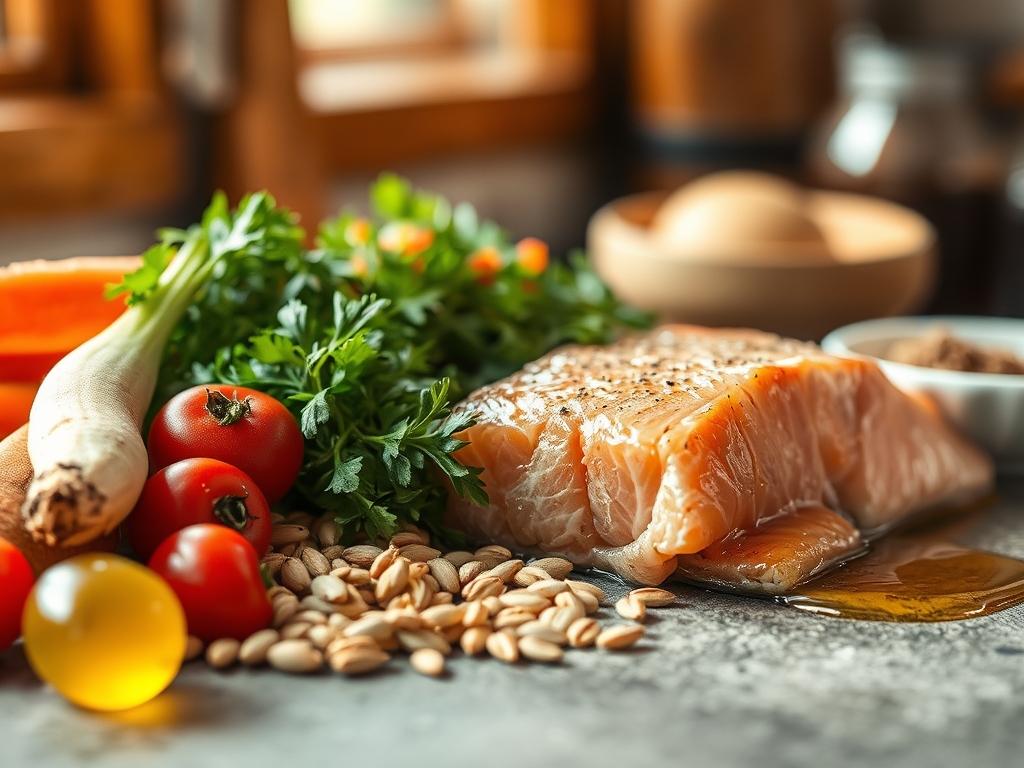
The Gathers:
Setting your mise-en-place is a lesson in chemical potential. For these low cholesterol salmon recipes, your workstation should feature six center-cut fillets, roughly six ounces each, patted bone-dry with lint-free towels to prevent steam-blocking. You will need a high-quality extra virgin olive oil with a high polyphenol count; this is your primary fat source, replacing saturated butters. Gather a bundle of woody herbs like rosemary and thyme, which contain carnosic acid to stabilize fats during heating.
Your vegetable component requires a sharp knife and a bench scraper to move your aromatics. Think fibrous stalks of asparagus, thin-shaved fennel for a piquant crunch, and heirloom cherry tomatoes that will burst and deglaze your pan naturally. Use a microplane to zest lemons and limes; the essential oils in the flavedo provide a massive flavor punch without adding sodium or cholesterol.
Smart Substitutions: If you are watching your salt intake, swap traditional soy sauce for coconut aminos to maintain that umami depth. Instead of heavy cream for sauces, utilize a high-speed blender to emulsify soaked cashews or silken tofu with a splash of vegetable stock. This creates a viscous, luxurious mouthfeel that mimics dairy fats while remaining entirely plant-based and heart-friendly.
The Clock
Efficiency in the kitchen is about managing the "Chef's Flow." For these six meals, expect a total preparation time of 20 minutes and a collective active cooking time of 15 minutes. The secret is the "staggered start." While your oven preheats to 400 degrees Fahrenheit for the roasted variants, your heavy-bottomed skillet should be tempering on the stove.
Salmon cooks rapidly due to its thin connective tissue. You are looking for an internal temperature of 125 degrees Fahrenheit for a medium-rare finish; this allows for five degrees of thermal carryover while the fish rests. Total time from fridge to table is under 40 minutes, making this the ultimate "power hour" for your weeknight health goals.
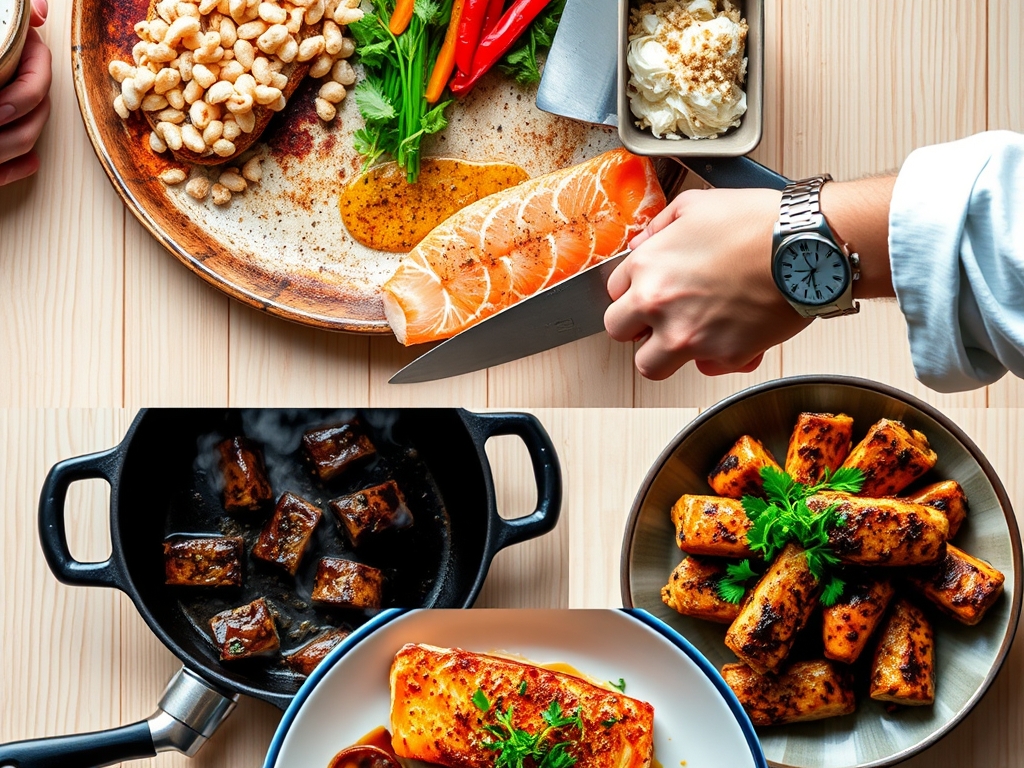
The Masterclass
1. The High-Heat Sear
Place your dry salmon skin-side down in a preheated pan with a teaspoon of avocado oil. Press down firmly with a flexible metal spatula for 30 seconds to ensure total surface contact. This prevents the protein from curling as the collagen fibers contract.
Pro Tip: This step utilizes the Maillard Reaction, a chemical dance between amino acids and reducing sugars that creates a savory crust. If the fish sticks, the reaction is incomplete; wait for the protein to naturally release from the metal.
2. The Citrus Infusion
While the skin crisps, use your microplane to shower the flesh with lemon zest and cracked black pepper. The acidity in the citrus helps to denature the surface proteins, allowing seasonings to penetrate deeper into the muscle fibers.
Pro Tip: Citrus zest contains limonene, a volatile compound that aerosolizes when heated. Adding it mid-cook ensures the flavor remains bright rather than turning bitter from prolonged heat exposure.
3. The Aromatics Deglaze
Toss in crushed garlic cloves and sprigs of thyme. Tilt the pan and use a large spoon to baste the salmon with the infused oil. This technique, known as arroser, ensures the top of the fish cooks evenly while absorbing the herbal essences.
Pro Tip: Garlic contains allicin, which is activated by crushing. By adding it late in the process, you prevent the sugars in the garlic from burning and becoming acrid.
4. The Vegetable Bridge
Add your quick-cooking greens, like baby spinach or shaved zucchini, directly into the pan around the fish. Use tongs to toss them in the residual juices. The moisture from the vegetables will create a small amount of steam, finishing the top of the salmon gently.
Pro Tip: This is hydrothermal cooking in action. The steam softens the cellulose in the vegetables without leaching out water-soluble vitamins like Vitamin C and B-complex.
5. The Rest and Temper
Remove the salmon from the heat when it is slightly underdone. Move it to a warm plate and tent loosely with foil. Let it sit for three to five minutes. This allows the muscle fibers to relax and reabsorb the internal juices.
Pro Tip: Thermal carryover will raise the internal temperature by several degrees. Resting prevents the "white albumin" (protein) from being squeezed out of the fibers, keeping the fish moist.
6. The Final Emulsification
Whisk a teaspoon of Dijon mustard with a squeeze of lemon juice in the warm pan. The mustard acts as a natural emulsifier, binding the remaining oils and juices into a thick, piquant sauce to drizzle over the finished plate.
Pro Tip: Mustard contains lecithin, a phospholipid that stabilizes the bond between oil and water, creating a smooth, viscous glaze without the need for butter or flour.
The Deep Dive
When we look at the macro nutrition of these low cholesterol salmon recipes, the profile is stunning. Each serving provides roughly 35 grams of high-quality protein and 12 grams of heart-healthy fats, with zero trans fats. Because we are avoiding heavy creams and butter, the caloric density remains low while the nutrient density stays high.
For my Vegan friends, you can replicate these techniques using "watermelon steaks" or extra-firm tofu pressed to a dry state. For the Keto crowd, these recipes are naturally low-carb, but you can increase the healthy fats by adding sliced avocado. Gluten-Free diners are already safe here, as we rely on whole-food thickeners rather than roux-based sauces.
The Fix-It:
- White Gunk on Salmon: This is albumin. To fix it, brine your fish in a simple salt-water solution for 10 minutes before cooking to tighten the exterior proteins.
- Soggy Skin: Your pan wasn't hot enough or the fish was damp. Always pat dry and wait for the oil to shimmer before adding the protein.
- Dry Interior: You missed the carryover window. Use a digital thermometer and pull the fish at 120-125 degrees Fahrenheit.
Meal Prep: To maintain "day-one" quality, reheat salmon in a low oven (275F) with a splash of water, covered in foil. This prevents the fats from oxidizing and turning "fishy" in the microwave.
The Wrap-Up
Mastering low cholesterol salmon recipes is your ticket to a lifestyle that feels indulgent but acts medicinal. By focusing on high-heat techniques, aromatic infusions, and smart emulsifiers, you can create a restaurant-quality experience in your own kitchen. Remember, cooking is just delicious chemistry; treat your ingredients with respect, watch your temperatures, and your heart will thank you for every savory, citrusy bite.
The Kitchen Table
Is salmon high in cholesterol?
Salmon contains some dietary cholesterol, but it is low in saturated fat and high in omega-3s. These healthy fats help improve your lipid profile by lowering "bad" LDL cholesterol and raising "good" HDL levels, making it heart-healthy.
What is the healthiest way to cook salmon?
Poaching, steaming, or air-frying are the healthiest methods. These techniques require minimal added fats and preserve the delicate omega-3 fatty acids. Avoid deep-frying, which adds trans fats and high calories that can damage your cardiovascular health.
Can I eat salmon every day for low cholesterol?
Eating salmon two to three times per week is generally recommended by health experts. This provides ample omega-3s without over-consuming mercury. Balance your diet with plant-based proteins and fiber-rich vegetables for the best cholesterol-lowering results.
How do I know if salmon is cooked without a thermometer?
Gently press the top of the fillet with a fork or finger. If the flesh flakes easily along the natural white lines (the fat layers), it is done. The center should still look slightly translucent and feel firm but yielding.