
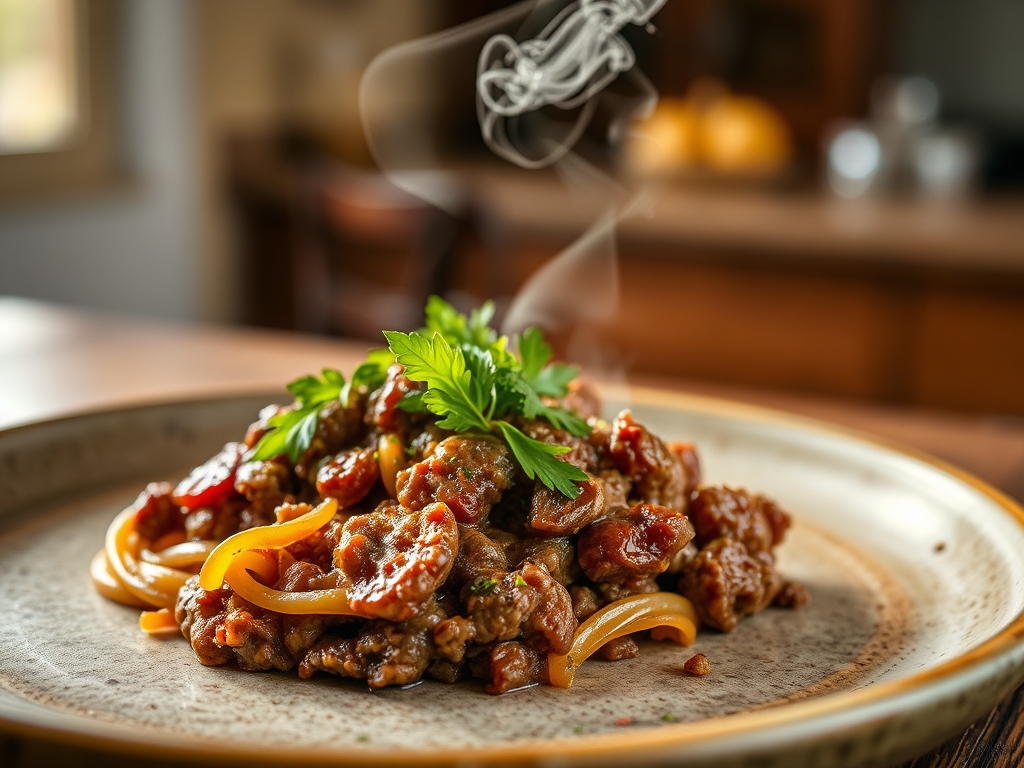
Imagine the sound of a heavy bottomed skillet hitting a gas flame; the rhythmic click-click-click before the blue ring of fire blooms. Now, picture that first press of meat against the hot metal. That sizzle is not just noise; it is the chemical song of amino acids and sugars dancing into a complex crust. We are moving far beyond the humble burger today. To master ground beef recipes gourmet style, you must treat this versatile protein with the same reverence a sommelier treats a vintage Bordeaux. We are talking about depth, texture, and the kind of umami that lingers on the palate long after the last bite is gone.
Most people treat ground beef as a utilitarian shortcut, but we are going to treat it as a canvas for molecular magic. Whether you are aiming for a silky bolognese that coats a noodle like velvet or a sear so dark it looks like obsidian, the secret lies in understanding moisture management and fat ratios. This is not just cooking; it is edible engineering. Get ready to transform your weeknight staples into five star experiences that will have your friends questioning if you secretly attended Le Cordon Bleu over the weekend.
The Gathers:
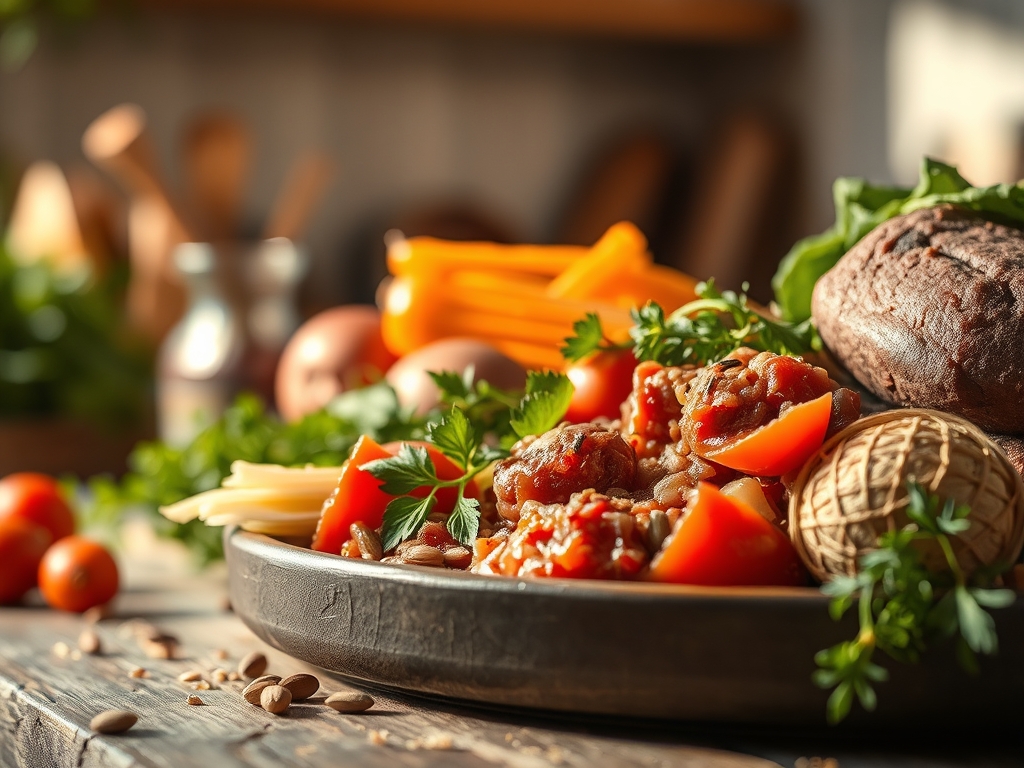
Before we ignite the stove, look at your mise-en-place. For a truly gourmet result, the quality of your raw materials is paramount. You want a 20 percent fat ratio; often labeled as ground chuck; because fat is the primary carrier of flavor molecules. If you go too lean, you lose the viscous mouthfeel that defines luxury dining.
Your toolkit should include a heavy-bottomed skillet (cast iron or stainless steel is best for heat retention), a microplane for aromatics, and a digital scale to ensure uniform portioning. You will also need high-quality sea salt, freshly cracked black pepper, and perhaps a secret weapon like fish sauce or white miso to amplify the savory notes without adding a "fishy" profile.
Smart Substitutions:
If you find yourself without high-fat beef, do not panic. You can "emulate" the fat content by grating cold unsalted butter into lean meat. If you are avoiding red meat entirely, finely minced mushrooms (like shiitake or cremini) can be blended with ground turkey to provide the necessary guanylate compounds that mimic the deep savoriness of beef. For an acidic lift, use a splash of dry sherry instead of the traditional red wine to deglaze your pan; it adds a nutty, oxidized complexity that is purely sophisticated.
The Clock:
Efficiency in the kitchen is about the Chef's Flow. This is the art of overlapping tasks so that no second is wasted. Your total active prep time should be 20 minutes, with a cook time ranging from 15 minutes for high-heat sears to 45 minutes for braised applications.
The "Flow" begins with tempering your meat. Never throw ice-cold beef into a hot pan. Let it sit at room temperature for 15 minutes while you mince your aromatics. This prevents the pan temperature from crashing, which would cause the meat to steam in its own juices rather than sear. While the meat renders, use that time to prep your garnishes or whisk your sauces. By the time the beef has achieved its Maillard crust, your "stage" is set for the final assembly.
The Masterclass:
1. The Cold-Grate Technique
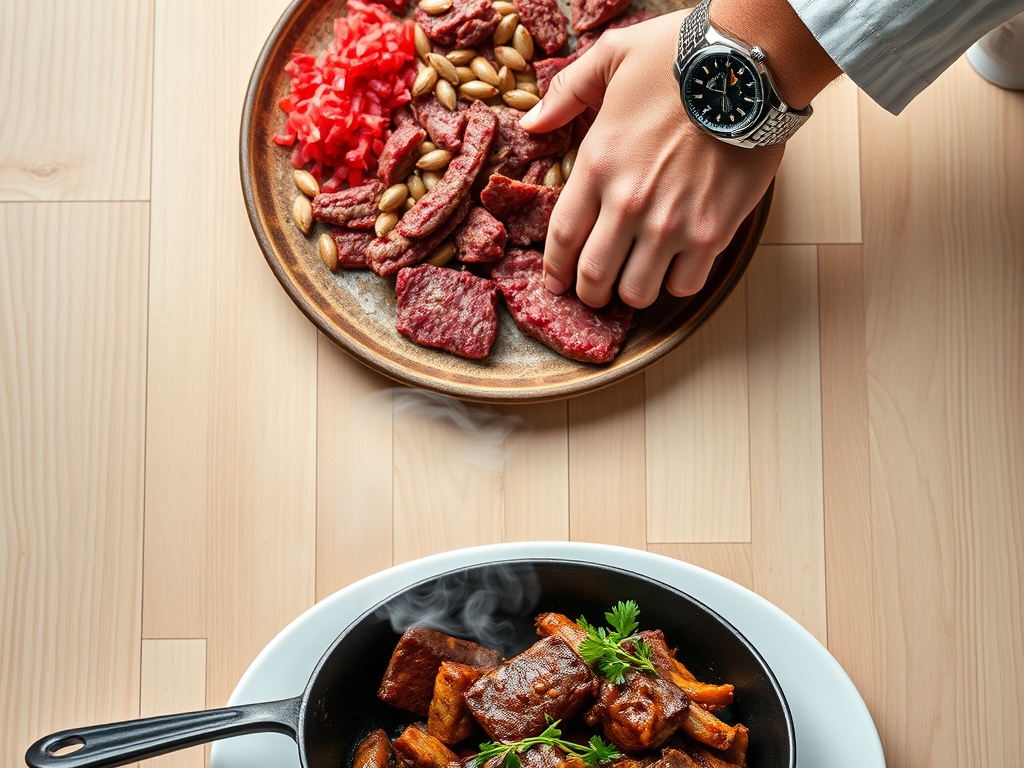
Instead of smashing the meat into the pan, gently crumble it or, for a truly airy texture, grate partially frozen beef using a large-hole box grater. This keeps the fat pockets intact and prevents the protein from becoming "tight" and rubbery.
Pro Tip: This technique maximizes surface area, which accelerates the Maillard reaction, the chemical reaction between amino acids and reducing sugars that creates the brown, savory crust.
2. The Baking Soda Bloom
Toss your raw beef with a pinch of baking soda and a teaspoon of water, then let it sit for 15 minutes. This raises the pH level of the meat's surface, making it harder for the proteins to bond tightly together.
Pro Tip: By altering the pH, you inhibit excessive moisture loss. This ensures the meat stays tender and juicy even under high-heat searing, preventing that "grainy" texture common in overcooked ground beef.
3. The Fond Deglaze
Once your meat is browned, remove it and look at the brown bits stuck to the bottom of your saucier. Add a splash of cognac or balsamic vinegar and scrape those bits up with a bench scraper or wooden spoon.
Pro Tip: These bits, known as fond, are concentrated flavor bombs. Deglazing incorporates these caramelized proteins back into your sauce, creating a complex, multi-layered profile.
4. The Umami Bomb Addition
Incorporate a tablespoon of tomato paste, anchovy paste, or soy sauce during the final minutes of browning. These ingredients are rich in glutamates, which act as natural flavor enhancers.
Pro Tip: This is known as synergistic umami. When different types of glutamate-rich foods are combined, the perceived savory flavor is multiplied rather than just added.
5. The Aeration Fold
When mixing seasonings into your beef, use a light touch. Use a fork or your fingertips to "fluff" the ingredients together rather than kneading them like bread dough.
Pro Tip: Overworking the meat causes the proteins to cross-link, resulting in a dense, hockey-puck consistency. Keeping it aerated ensures a delicate, "melt-in-your-mouth" texture.
6. The Fat-Cap Render
If you are making gourmet patties, sear them on high heat without any added oil first. Let the natural tallow render out of the meat to act as the cooking medium.
Pro Tip: Cooking meat in its own rendered fat creates a more cohesive flavor profile. This is essentially a quick confit technique that intensifies the "beefiness" of the dish.
7. The Microplane Finishing
Just before serving, zest fresh lemon or grate a clove of garlic directly over the hot meat using a microplane. The residual heat will release the volatile oils without cooking out the brightness.
Pro Tip: This adds a "top note" to the dish. While the beef provides the "base notes" of salt and fat, the fresh aromatics provide an olfactory lift that balances the richness.
8. The Carryover Rest
Never serve ground beef recipes gourmet style straight from the pan. Transfer the meat to a warm plate and let it rest for three to five minutes.
Pro Tip: Thermal carryover means the internal temperature will continue to rise by a few degrees. Resting allows the muscle fibers to relax and reabsorb the juices, ensuring they don't spill out when you take your first bite.
9. The Emulsified Sauce Finish
If your recipe involves a sauce, whisk in a knob of cold butter or a splash of heavy cream at the very end, off the heat.
Pro Tip: This creates a stable emulsion. The fat molecules suspend in the liquid, creating a glossy, piquant coating that clings to the meat rather than puddling at the bottom of the bowl.
The Deep Dive:
Macro Nutrition:
Ground beef is a nutritional powerhouse, offering high-density heme iron, B12, and zinc. A standard 4-ounce serving of 80/20 beef contains roughly 20 grams of protein and 22 grams of fat. To keep it gourmet yet balanced, pair your beef with complex carbohydrates like farro or roasted root vegetables to fiber-load your meal.
Dietary Swaps:
For my Keto queens, swap traditional breadcrumbs for crushed pork rinds or almond flour to maintain structural integrity in meatballs. Gluten-Free diners can use tamari instead of soy sauce for that umami hit. If you are leaning toward a Vegan profile, high-quality pea-protein crumbles can be treated with these same gourmet techniques; just add a teaspoon of smoked paprika to mimic the "charred" scent of beef.
The Fix-It:
- Greasy Result: If your dish looks oily, your emulsion has broken. Fix it by whisking in a tablespoon of starchy pasta water or a slurry of cornstarch and water to re-bind the fats.
- Gray Meat: This happens when the pan is overcrowded. Fix it by removing the meat, wiping the pan, and re-searing in smaller batches over higher heat to regain that crust.
- Bland Flavor: If it tastes "flat" despite salting, it needs acid. Add a squeeze of lime or a drop of red wine vinegar to brighten the flavor profile instantly.
Meal Prep Science:
To maintain "day-one" quality when reheating, avoid the microwave. Reheat your beef in a covered skillet with a tablespoon of bone broth. The steam will gently penetrate the protein fibers, preventing the "warmed-over flavor" caused by lipid oxidation.
The Wrap-Up:
You are now armed with the technical prowess to turn a simple pound of beef into a culinary masterpiece. Remember, gourmet cooking is not about expensive ingredients; it is about the precision of your technique and the passion you bring to the skillet. Use your tools, trust your senses, and do not be afraid to let that pan get a little smoky. Now, go forth and sear with confidence!
The Kitchen Table:
How do I prevent my ground beef from getting rubbery?
Avoid overworking the meat and do not salt it too early. Salt draws out moisture and can create a sausage-like, dense texture. Only season the surface immediately before the meat hits the hot skillet.
What is the best way to drain excess fat?
Push the meat to one side of your heavy-bottomed skillet and tilt it. Use a spoon to remove the liquid fat, or use a paper towel held with tongs to blot the pan carefully.
Can I use frozen ground beef for gourmet recipes?
Yes, but thaw it completely in the refrigerator first. Pat the meat dry with paper towels before cooking to remove excess moisture, which ensures you get a proper sear instead of steaming the meat.
Why does my ground beef sometimes smell sour?
If the meat has a sour odor or a slimy texture, it has likely begun to spoil due to bacterial growth. Always check the "use-by" date and ensure the meat is a vibrant cherry-red or slightly purplish color.