
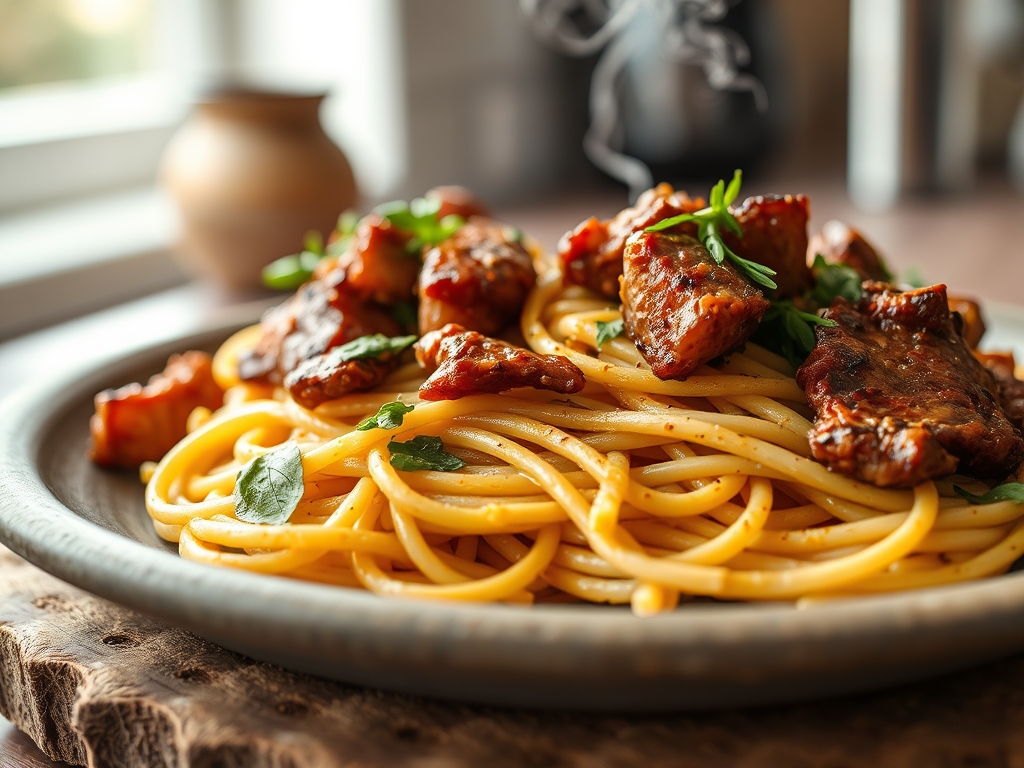
Picture the steam rising from a heavy-bottomed skillet as the scent of toasted garlic and searing protein hits you. It is that specific, Pavlovian moment where hunger meets anticipation. If you are searching for the ultimate spaghetti and beef recipes, you have officially arrived at the intersection of comfort and culinary science. We are elevating the weeknight standard into a restaurant-grade masterpiece.
The magic of this dish lies in the chemistry of the sauce and the structural integrity of the noodle. We are not just tossing meat and wheat together; we are engineering an emulsion. By understanding how fats interact with starch-heavy pasta water, you can transform a simple dinner into a velvety, decadent experience that rivals any Italian bistro. This guide will walk you through the nuances of flavor development, from the initial sizzle of the beef to the final, piquant bite of aged parmesan. Whether you are a novice or a seasoned home cook, these techniques will ensure your results are consistent, delicious, and deeply satisfying. Let us get your apron on and dive into the mechanics of the perfect plate.
The Gathers:
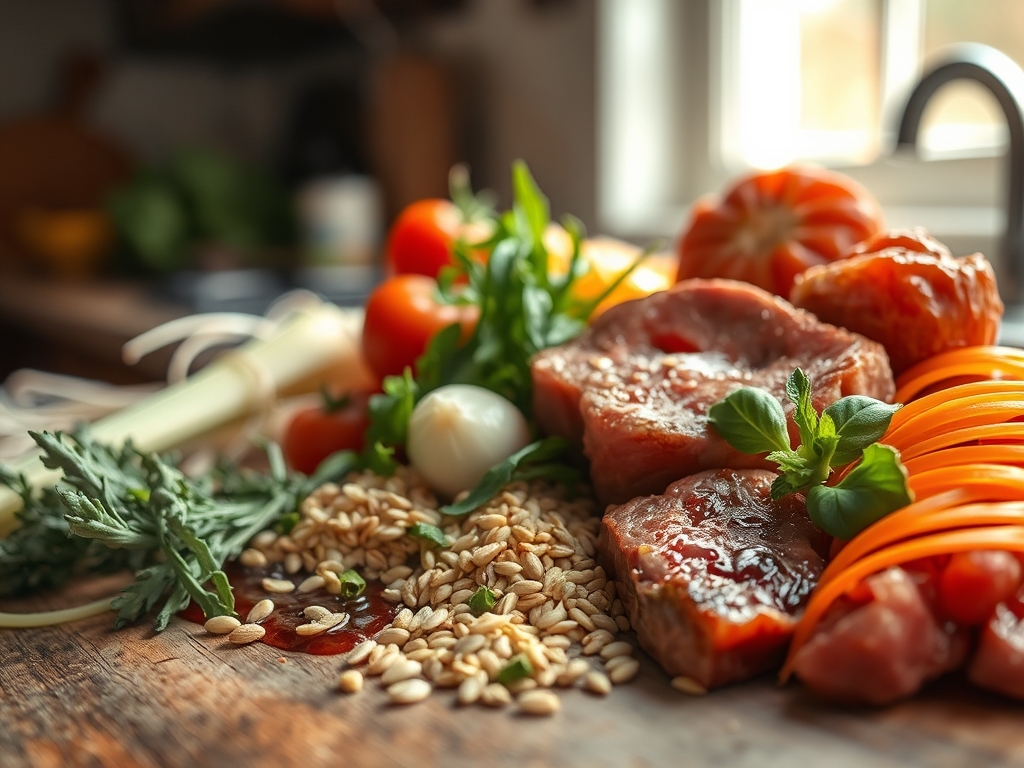
To execute these spaghetti and beef recipes with precision, your mise-en-place must be flawless. Start with your protein. I recommend an 80/20 ground chuck for the ideal fat-to-lean ratio. This specific percentage ensures enough lipid content to render out, creating the base for your sauce without leaving the dish overly greasy. For the pasta, look for bronze-die extruded spaghetti. Unlike Teflon-molded pasta, bronze-die versions have a rough, porous surface that allows the sauce to cling rather than slide off.
Your aromatics are the backbone of the flavor profile. You will need yellow onions, finely diced with a sharp chef knife to ensure even caramelization. Fresh garlic is non-negotiable; use a microplane to grate it into a paste, which releases more essential oils than a standard chop. For the liquid base, high-quality crushed tomatoes provide the necessary acidity to cut through the richness of the beef.
Smart Substitutions:
If you want to lighten the profile, ground turkey or bison works beautifully, though you may need to add a tablespoon of extra virgin olive oil to compensate for the lower fat content. For a gluten-free alternative, brown rice pasta offers the most similar structural integrity to wheat. If you find yourself out of fresh garlic, use a fermented garlic paste rather than the dried powder to maintain that pungent, complex depth.
The Clock
Efficiency in the kitchen is about the Chef's Flow, which is the art of overlapping tasks to minimize downtime. Total preparation time for these recipes is approximately 15 minutes, with a total cook time of 25 minutes.
The flow begins with the "Big Boil." Get your salted water going immediately; it takes longer than you think to reach a rolling boil. While the water heats, you focus on the skillet. The goal is to have your sauce reaching its peak viscosity just as the noodles hit their al dente state. This synchronization prevents the pasta from sitting and gummying up while waiting for the beef to finish. By the time you are ready to plate, you have spent exactly 40 minutes creating a meal that tastes like it simmered for hours.
The Masterclass
1. The Sear and Render
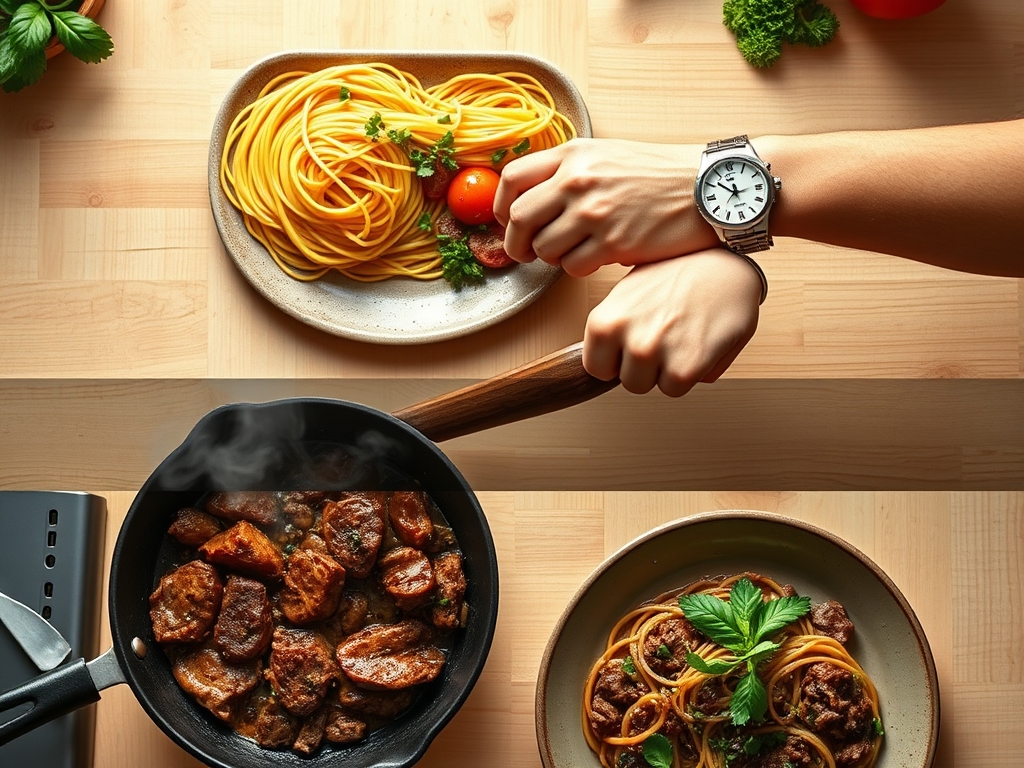
Begin by heating your heavy-bottomed skillet over medium-high heat. Add the beef in large chunks rather than breaking it up immediately. Allow the meat to sit undisturbed for three minutes to encourage the Maillard reaction.
Pro Tip: This chemical reaction occurs between amino acids and reducing sugars, creating that savory, browned crust. If you stir too early, you end up steaming the meat in its own moisture rather than searing it.
2. The Aromatic Infusion
Once the beef is browned, use a bench scraper or wooden spoon to break it into smaller crumbles. Add your onions and celery. Sauté until the onions are translucent and have begun to pick up the fond (the brown bits) from the bottom of the pan.
Pro Tip: Adding aromatics after the meat has rendered its fat allows the vegetables to confit in the beef tallow, which leads to a deeper, more integrated flavor profile through lipid-soluble infusion.
3. Deglazing the Saucier
Pour in a splash of dry red wine or beef stock to deglaze the pan. Use your spoon to scrape up every bit of that caramelized fond. Add your crushed tomatoes and a pinch of red pepper flakes for a piquant kick.
Pro Tip: Deglazing is essential because it dissolves the concentrated flavor molecules stuck to the pan, incorporating them back into the liquid phase of your sauce.
4. The Al Dente Precision
Drop your spaghetti into the boiling, heavily salted water. Cook it for two minutes less than the package instructions suggest. You want the center to still have a slight "snap" when bitten.
Pro Tip: This is called the starch hydration phase. By finishing the pasta in the sauce, the noodles absorb the flavored liquid instead of just plain water, resulting in a more cohesive dish.
5. The Emulsion Marriage
Use tongs to transfer the pasta directly from the water into the beef sauce. Add half a cup of the starchy pasta water to the skillet. Toss vigorously over high heat until the sauce thickens and coats every strand.
Pro Tip: The starches leached into the cooking water act as a natural emulsifier, binding the fats from the beef and the water from the tomatoes into a silky, homogenous sauce.
The Deep Dive
Macro Nutrition: A standard serving of these spaghetti and beef recipes provides approximately 450 calories, 25g of protein, and 55g of carbohydrates. It is a balanced "power meal" that provides sustained energy.
Dietary Swaps:
- Vegan: Replace beef with a lentil and walnut crumble and use a nutritional yeast-based "parmesan."
- Keto: Swap spaghetti for roasted spaghetti squash or zoodles. Increase the fat content by adding a splash of heavy cream to the sauce.
- GF: Use high-quality quinoa or corn-based pasta and ensure your beef stock is certified gluten-free.
The Fix-It:
- Thin Sauce: If your sauce is watery, continue to simmer uncovered to allow for evaporation. The reduction will concentrate the flavors.
- Bland Beef: If the dish lacks depth, add a teaspoon of fish sauce or Worcestershire. These are "umami bombs" that enhance the savory notes of the beef without tasting like fish.
- Clumping Pasta: If your noodles stick together, you likely didn't use a large enough pot. Fix it by adding a splash of warm pasta water and tossing rapidly to break the surface tension.
Meal Prep: To maintain "day-one" quality, store the sauce and pasta separately if possible. When reheating, add a tablespoon of water to the bowl and cover it with a damp paper towel. This creates a steam chamber that prevents the beef from becoming rubbery and the pasta from drying out.
The Wrap-Up
Mastering spaghetti and beef recipes is a rite of passage for any home chef. It is the ultimate "hug in a bowl" that relies more on technique than expensive ingredients. By focusing on the Maillard reaction, proper deglazing, and the magic of starchy pasta water, you have transformed a basic pantry staple into a high-density culinary triumph. Go ahead and serve this with a flourish and a heavy dusting of parmesan; you have earned the title of the kitchen scientist today!
The Kitchen Table
Why is my ground beef grey instead of brown?
This happens when the pan is overcrowded, causing the meat to steam in its own juices. To fix this, cook the beef in batches or use a larger skillet to allow moisture to evaporate quickly for a proper sear.
Do I really need to use pasta water?
Yes! Pasta water contains salt and starch. The starch acts as a bridge between the oil in the beef and the water in the sauce, creating a silky, professional emulsion that sticks to the noodles.
What is the best beef for spaghetti?
An 80/20 ground chuck is the gold standard. It has enough fat to provide flavor and moisture but won't leave your sauce swimming in grease. Always drain excess fat if it exceeds two tablespoons in the pan.
Can I make this sauce in a slow cooker?
You can, but you must sear the beef and sauté the aromatics in a skillet first. Simply dumping raw beef into a slow cooker misses the flavor development provided by the Maillard reaction and results in a flat taste.