
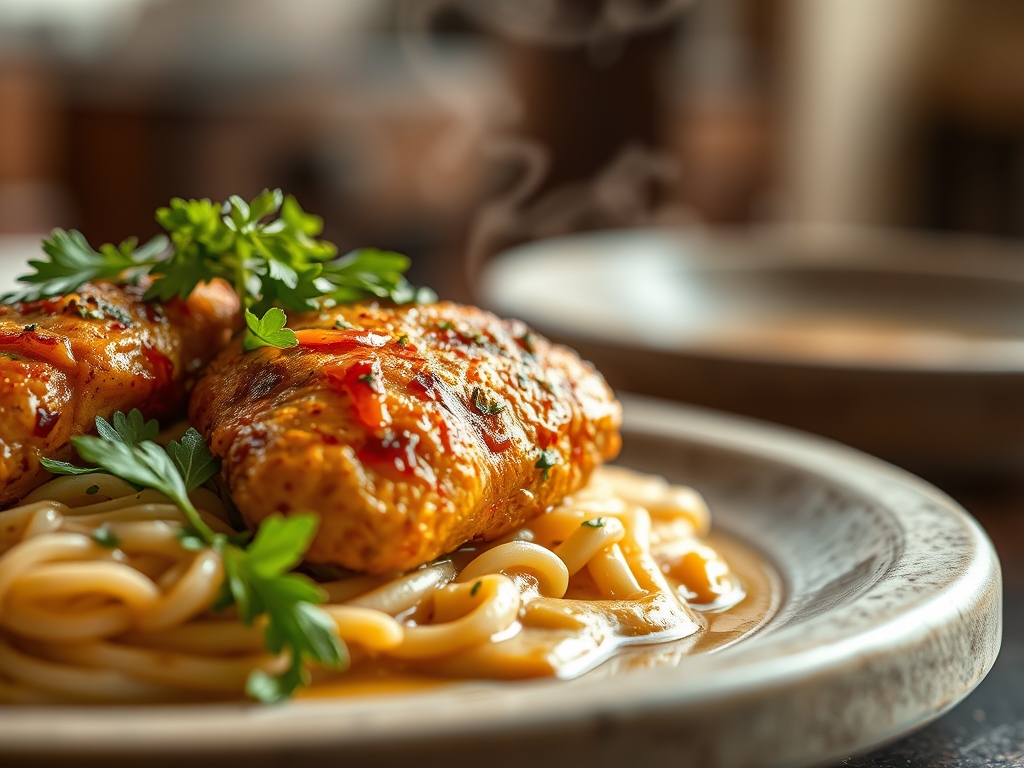
Imagine the scent of smoldering charcoal mingling with the sharp, citrusy bite of sumac and the deep, earthy hum of cumin. When you dive into the world of middle eastern chicken recipes, you are not just cooking dinner; you are engaging in a centuries old dialogue between heat and spice. These dishes transform humble poultry into a mosaic of texture and fragrance. From the crackling skin of a rotisserie style bird to the tender, yogurt marinated morsels of a tawook, the secret lies in the chemistry of the marinade. We are going to explore eight iconic variations that define this region, ensuring your kitchen smells like a bustling Levantine souq by sunset.
The beauty of this cuisine is its reliance on high quality fats and acidic brighteners to break down protein fibers. Whether you are searing thighs in a heavy bottomed skillet or roasting a whole bird, the goal is always the same: achieving that perfect Maillard reaction while keeping the interior succulent. We will navigate the nuances of spice blending and the physics of heat transfer to ensure your results are consistent every single time. Grab your apron; it is time to master the art of the Levant.
The Gathers:
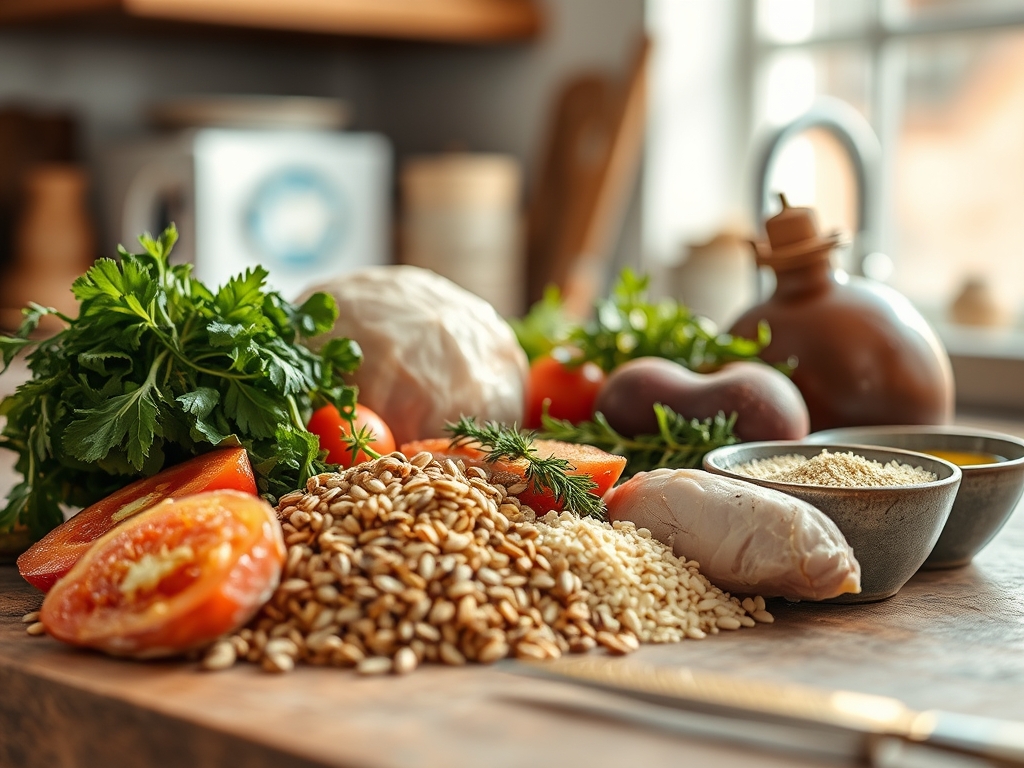
To execute these middle eastern chicken recipes with precision, your mise en place must be impeccable. Start with the aromatics. You will need fresh garlic bulbs; look for heads that are heavy for their size, indicating high moisture content. For the spices, seek out whole seeds of coriander and cumin. Grinding them fresh in a mortar and pestle releases volatile oils that pre ground powders simply cannot match. You will also need Aleppo pepper for a mild, fruity heat and Sumac, which provides a piquant, astringent quality due to its high malic acid content.
The fats are equally vital. Use a high smoke point oil like avocado oil for searing, but keep a bottle of extra virgin olive oil for finishing. For the marinades, full fat Greek yogurt is non negotiable. The lactic acid in yogurt is a gentle tenderizer that works more slowly than vinegar, preventing the meat from becoming mushy.
Smart Substitutions:
If you cannot find Preserved Lemons, whisk together lemon zest with a pinch of extra sea salt and a drop of honey to mimic the fermented depth. If Pomegranate Molasses is missing from your pantry, reduce balsamic vinegar with a teaspoon of sugar until it becomes a viscous syrup. For a nightshade free heat, swap paprika for a blend of toasted cumin and a touch of cinnamon to maintain that warm sensory profile.
The Clock
Efficiency in the kitchen is about understanding the Chef's Flow. For these recipes, total active prep time usually clocks in at 30 minutes, but the passive time is where the magic happens. A minimum of four hours for marinating is required to allow the salt to penetrate the muscle tissue via osmosis. If you are roasting a whole chicken (Musakhan style), expect a 60 to 75 minute cook time.
The flow should always begin with the marinade. While the chicken rests, you can prepare your sides like tabbouleh or baba ganoush. This prevents "bottlenecking" at the stove. Always factor in a 10 minute rest period after cooking; this allows the internal juices to redistribute, ensuring the liquid stays in the meat rather than on your cutting board.
The Masterclass
1. The Acidic Infusion
Whisk your yogurt, lemon juice, and spices in a stainless steel bowl until the mixture is completely homogenous. Submerge your chicken pieces, ensuring every inch is coated.
Pro Tip: The lactic acid in yogurt breaks down proteins at a molecular level. Unlike harsh vinegar, yogurt creates a protective buffer that prevents the chicken from drying out during high heat exposure.
2. The Sear and Render
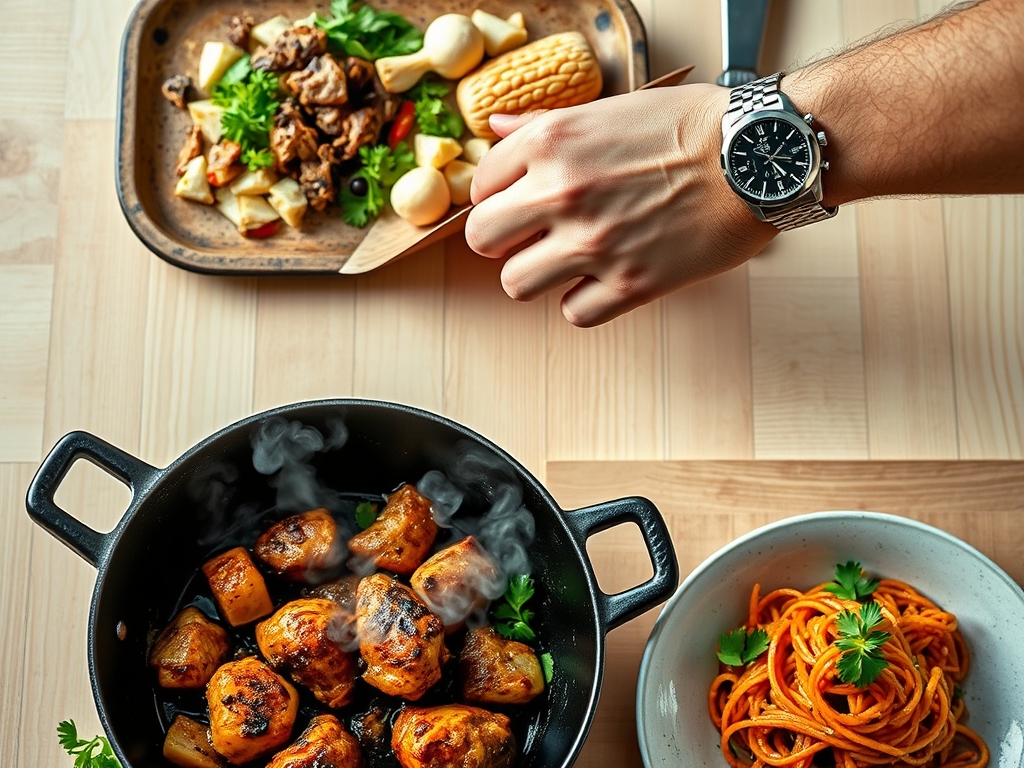
Heat your heavy bottomed skillet until it reaches approximately 400 degrees Fahrenheit. Place the chicken skin side down using professional tongs. Do not crowd the pan, as this causes the temperature to drop and leads to steaming rather than searing.
Pro Tip: This stage triggers the Maillard reaction, where amino acids and reducing sugars rearrange to create hundreds of flavor compounds. If the meat sticks, the bond hasn't finished forming; wait for it to naturally release.
3. The Deglaze and Simmer
Once the chicken is browned, remove it and use a splash of chicken stock or white grape juice to deglaze the pan. Use a wooden spoon to scrape up the "fond," those delicious caramelized bits stuck to the bottom.
Pro Tip: Deglazing captures concentrated flavor that would otherwise be lost. This creates a complex base for sauces, utilizing the rendered fats to create a silky mouthfeel.
4. Thermal Precision
Transfer the skillet to the oven or lower the stovetop heat to finish cooking. Use a digital thermometer to monitor the internal temperature. You are aiming for 165 degrees Fahrenheit for the safest and juiciest results.
Pro Tip: Account for thermal carryover. The internal temperature will typically rise by 5 degrees after you remove the chicken from the heat source. Pulling the meat at 160 degrees ensures it hits the 165 mark perfectly during the rest.
The Deep Dive
Macro Nutrition: Middle eastern chicken recipes are a powerhouse of lean protein. On average, a 6 ounce serving provides 45g of protein and roughly 12g of healthy fats, primarily from olive oil and nuts like pine seeds or walnuts.
Dietary Swaps:
- Vegan: Replace chicken with oyster mushrooms or extra firm tofu. Use coconut yogurt for the marinade to maintain the acidic profile.
- Keto: These recipes are naturally low carb. Ensure your pomegranate molasses is unsweetened and serve over cauliflower rice.
- Gluten Free: Most of these dishes are safe, but always double check your spice blends for anti caking agents that might contain wheat.
The Fix-It:
- Rubbery Skin: This happens when the skin is too damp. Pat the chicken bone dry with paper towels before marinating.
- Bitter Sauce: You likely scorched the garlic or spices. Always add delicate aromatics toward the end of the sautéing process.
- Dry Breast Meat: You missed the carryover window. Use a digital scale to weigh your portions for more consistent cooking times next time.
Meal Prep: To maintain "day one" quality, reheat chicken in a covered dish with a tablespoon of water or stock. This creates a steam chamber that prevents the protein fibers from tightening and becoming tough in the microwave.
The Wrap-Up
Mastering middle eastern chicken recipes is like learning a new language where flavor is the syntax. By focusing on the science of marination and the precision of the sear, you transform a simple weeknight meal into a culinary event. Remember that heat is your tool, but patience is your best ingredient. Whether you are serving a crowd or prepping for the week, these techniques ensure every bite is an explosion of Levantine sunshine. Now, go grab your microplane and get to work!
The Kitchen Table
How do I get the chicken skin extra crispy?
Ensure the skin is completely dry before adding oil. Use a heavy bottomed skillet to maintain high, even heat. Avoid moving the chicken until the Maillard reaction naturally releases the meat from the pan surface for maximum crunch.
Can I marinate the chicken for too long?
Yes. While yogurt is gentle, marinating for over 24 hours can turn the chicken texture mushy as the acids begin to fully denature the protein. Aim for a 4 to 12 hour window for the best structural integrity.
What is the best way to grind whole spices?
Use a heavy granite mortar and pestle or a dedicated electric spice grinder. Grinding right before use prevents the volatile aromatic oils from evaporating, ensuring your middle eastern chicken recipes have the most vibrant, punchy flavor profile possible.
Why is my chicken dry even though it is cooked through?
You likely skipped the resting phase. Resting for 10 minutes allows the muscle fibers to relax and reabsorb juices. If you cut it immediately, the moisture escapes, leaving the internal structure parched and stringy. Use a thermometer to avoid overcooking.