
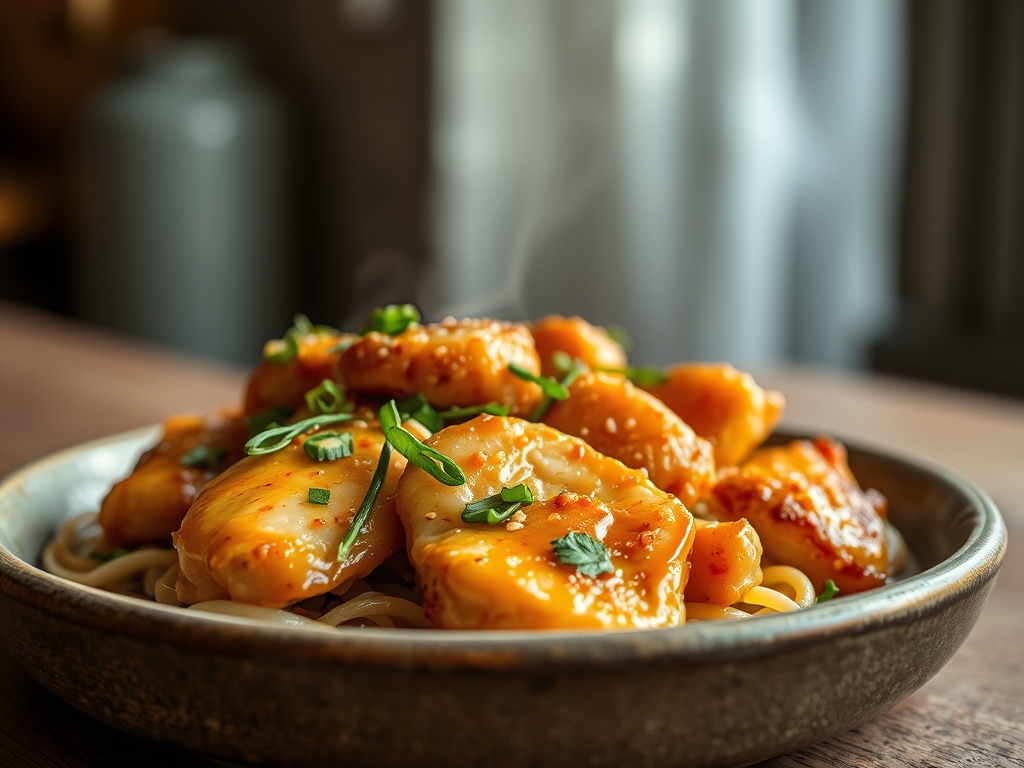
Imagine the scent of toasted sesame oil hitting a hot pan; it is a nutty, deep aroma that signals something incredible is about to happen in your kitchen. We are diving into the world of honey sesame chicken recipes, where the goal is a perfect marriage of high-gloss glaze and shatter-crisp texture. This is not just takeout at home. It is a masterclass in balancing the piquant zip of vinegar with the viscous, floral sweetness of raw honey. Whether you are craving a sticky stir-fry or a crispy air-fried version, mastering these nine variations will transform your weeknight rotation into a high-end culinary experience.
The Gathers:
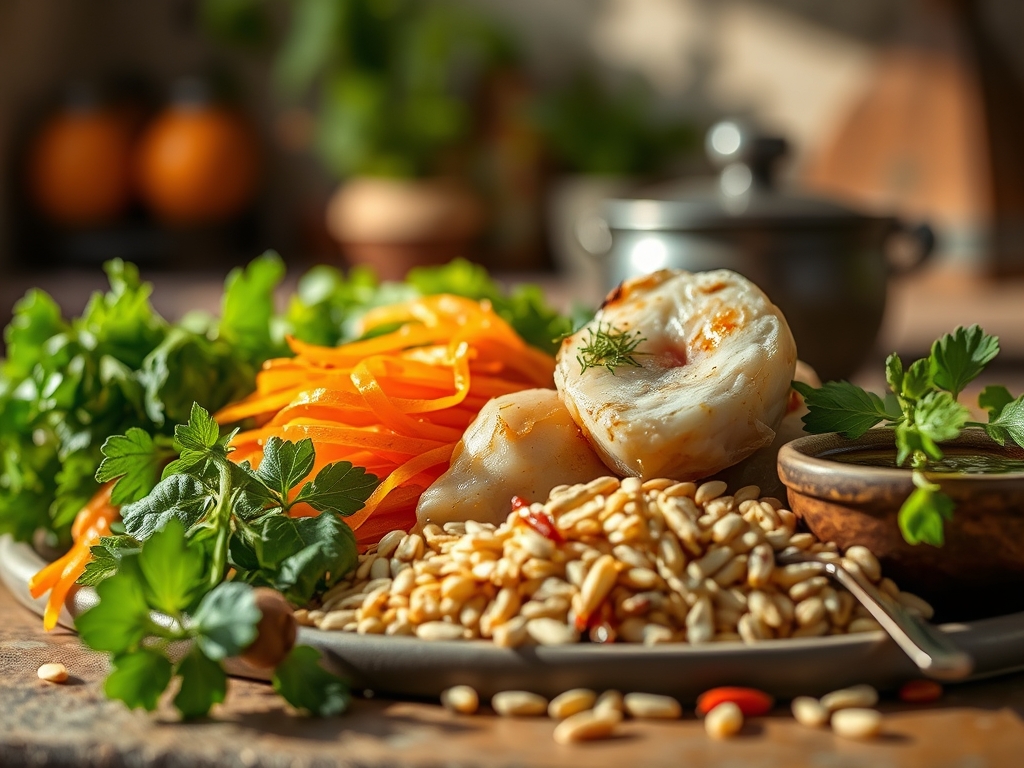
Before we ignite the burner, we must respect the mise-en-place. Your station should be a landscape of textures and chemical potentials. Start with the protein: boneless, skinless chicken thighs are the gold standard here because they contain more connective tissue than breasts. When heated, this collagen transforms into gelatin, ensuring the meat stays succulent even under high heat. You will need a digital scale to measure your cornstarch and flour precisely; a 50/50 split creates a coating that is both light and structurally sound.
The aromatics are your foundation. Use a microplane to grate fresh ginger and garlic into a fine paste. This increases the surface area, allowing the essential oils to infuse the cooking fat almost instantly. For the sauce, gather high-quality soy sauce for umami, toasted sesame oil for depth, and raw honey. If you find your honey has crystallized, do not panic. Simply place the jar in a warm water bath to return it to its fluid, viscous state.
Smart Substitutions:
If you are looking to lighten the profile, swap the honey for agave nectar, which has a lower glycemic index but a similar viscosity. For those avoiding soy, liquid aminos offer a comparable salty-savory profile. If you lack rice vinegar, apple cider vinegar provides the necessary acidity to cut through the sugar, though it adds a slightly fruitier note. Always keep a bench scraper nearby to transfer your chopped aromatics cleanly from the board to the pan without losing a single drop of flavor.
The Clock: Mastering the Chef's Flow
Efficiency in the kitchen is about thermal management and sequence. The total active time for most honey sesame chicken recipes is approximately 35 minutes, but the "Chef's Flow" dictates how that time is spent. Dedicate the first 15 minutes to prep: dicing the chicken, whisking the sauce, and coating the protein. This ensures that once the pan is hot, you are not scrambling.
The cooking phase is a rapid 10 to 12 minute window. You are looking for a high-heat sear to trigger the Maillard reaction, followed by a brief simmer to reduce the sauce. Finally, allow for a 5-minute rest. Resting is not just a suggestion; it is a mechanical necessity. It allows the internal juices to redistribute, ensuring the first bite is as moist as the last.
The Masterclass:
1. The Protein Preparation
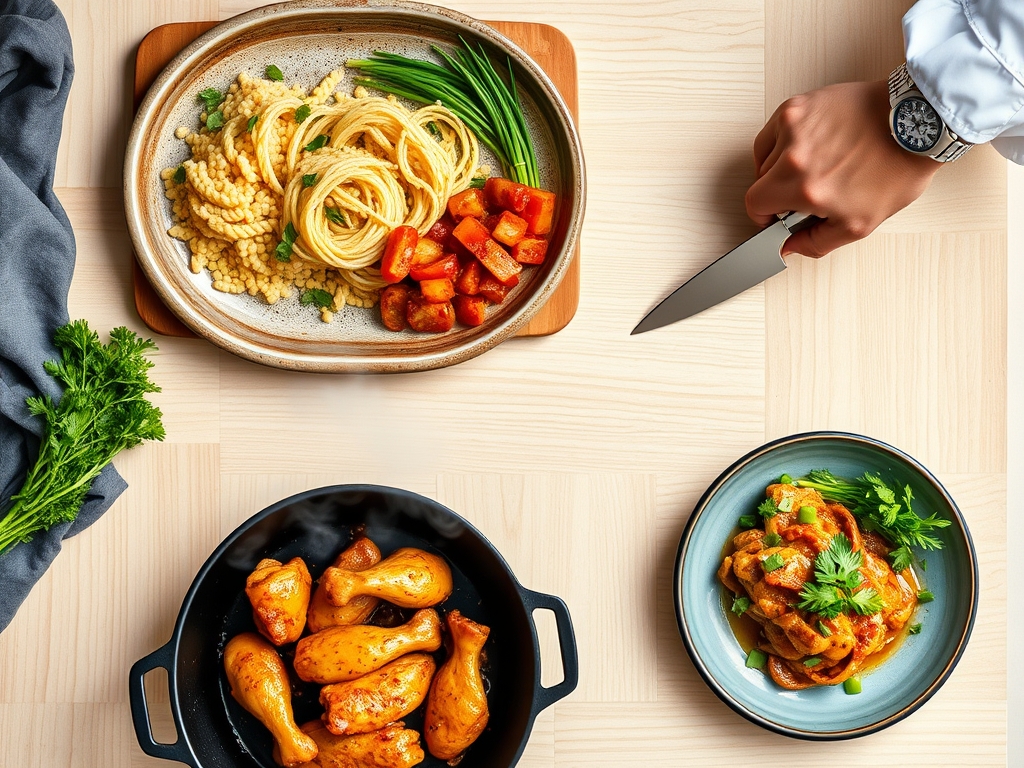
Pat the chicken dry with paper towels to remove surface moisture. Use a sharp chef's knife to cut the meat into uniform 1-inch cubes. Uniformity is the secret to even cooking; if the pieces vary in size, the smaller ones will overcook before the larger ones reach safety.
Pro Tip: This process is called surface dehydration. Removing moisture ensures the energy from the pan goes directly into browning the meat rather than evaporating water, which prevents "steaming" the chicken.
2. The Dredge and Coat
Toss the chicken in a mixture of cornstarch, salt, and white pepper. Use a large stainless steel bowl to aerate the flour as you toss, ensuring every nook and cranny is covered. Shake off any excess; a thick layer will turn gummy rather than crisp.
Pro Tip: Cornstarch is a pure starch with no protein or gluten. When fried, it creates a crisp, brittle lattice that stays crunchy longer than wheat flour because it does not absorb moisture as readily.
3. The Searing Phase
Heat a heavy-bottomed skillet or wok over medium-high heat. Add a high-smoke-point oil like grapeseed or peanut oil. Use tongs to place the chicken in a single layer, leaving space between pieces. Do not crowd the pan.
Pro Tip: Crowding the pan drops the temperature of the oil too quickly. This causes the chicken to release its juices, resulting in a gray, boiled texture instead of a golden, rendered crust.
4. Aromatics and Deglazing
Once the chicken is golden, move it to the perimeter of the pan. Drop your ginger and garlic into the center. Stir for 30 seconds until fragrant, then pour in your liquid base. Use a wooden spoon to deglaze the bottom of the pan, scraping up any browned bits.
Pro Tip: Those browned bits are called fond. They are concentrated packets of flavor created by caramelized proteins and sugars, and dissolving them into your sauce adds incredible depth.
5. The Glaze Reduction
Pour the honey and soy mixture over the chicken. Increase the heat slightly to bring the sauce to a vigorous simmer. The bubbles will start large and watery, then transition to small, "tight" bubbles as the water evaporates and the sugars concentrate.
Pro Tip: This is the process of evaporative concentration. As water leaves the sauce, the sugar molecules become more densely packed, creating that iconic, glossy "cling" that defines the best honey sesame chicken recipes.
The Deep Dive:
From a nutritional standpoint, this dish is a powerhouse of lean protein. A standard serving provides roughly 35 grams of protein. To keep it keto-friendly, replace the honey with a monk fruit sweetener and use almond flour for the dredge. For a vegan twist, cauliflower florets or extra-firm tofu work beautifully; just ensure the tofu is pressed for at least 20 minutes to remove excess water.
The Fix-It: Troubleshooting Common Pitfalls
- The Sauce is Too Thin: Create a slurry by mixing one teaspoon of cornstarch with one tablespoon of cold water. Whisk it into the boiling sauce to instantly thicken the texture.
- The Chicken is Tough: You likely bypassed the resting phase or overcooked the meat. Next time, use a digital thermometer to pull the chicken at 160 degrees Fahrenheit; thermal carryover will bring it to the safe 165 mark.
- The Glaze is Bitter: This happens if the garlic burns or the honey reaches its smoke point. To fix, add a splash of heavy cream or a pat of butter to mellow the flavors.
Meal Prep and Reheating Science
To maintain "day-one" quality, store the sauce and chicken separately if possible. If already combined, reheat in a skillet over medium heat with a tablespoon of water. This creates steam that re-hydrates the sauce without overcooking the protein. Avoid the microwave if you want to preserve any semblance of the original crunch.
The Wrap-Up:
Mastering honey sesame chicken recipes is about more than just following a list of ingredients; it is about understanding how heat and sugar interact to create something magical. By focusing on your mise-en-place and respecting the science of the sear, you can elevate this humble dish into a restaurant-quality centerpiece. Now, grab your saucier, find your favorite honey, and get cooking. Your kitchen is about to smell like a five-star bistro!
The Kitchen Table:
How do I make the chicken extra crispy?
Use a 50/50 blend of cornstarch and rice flour. This combination creates a gluten-free barrier that resists moisture. For maximum crunch, double-fry the chicken: once at a low temperature to cook through, and once at high heat to crisp the exterior.
Can I make this recipe in an air fryer?
Yes. Lightly spray the breaded chicken with oil and cook at 400 degrees Fahrenheit for 12 minutes, shaking halfway through. Toss the crispy chicken in the warmed sauce right before serving to prevent the coating from becoming soggy.
Why is my honey sesame sauce grainy?
Graininess usually occurs if the honey has crystallized or if the cornstarch slurry was not whisked thoroughly. Ensure your honey is fluid before adding, and always mix cornstarch with cold liquid before introducing it to the hot pan to prevent clumping.
What is the best way to toast sesame seeds?
Place raw seeds in a dry heavy-bottomed skillet over medium heat. Shake the pan constantly for 2 to 3 minutes until they turn golden brown and smell nutty. Remove them immediately from the pan to stop the cooking process.
How long does honey sesame chicken last in the fridge?
Stored in an airtight container, it stays fresh for up to 4 days. For the best texture, reheat in a pan rather than a microwave. The starch in the coating will naturally soften over time as it absorbs the sauce.