
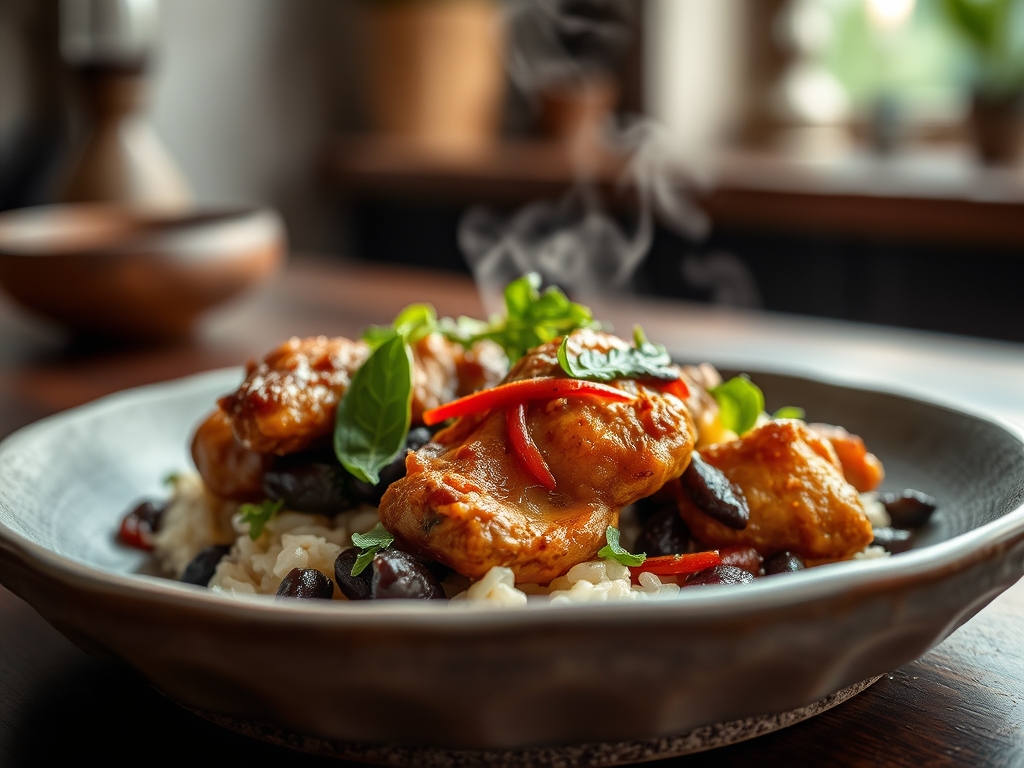
Picture the scene: a heavy-bottomed skillet sits over a roaring blue flame, the air thick with the scent of toasted garlic and fermented umami. When you are craving something that hits the sweet spot between comfort and high-end dining, black bean chicken recipes are your absolute best friend. We are talking about the perfect marriage of lean protein and fiber-rich legumes, all tied together by a sauce that is as dark and glossy as a midnight sky. It is a dish that relies on the science of contrast; the soft, velvety texture of the beans against the seared, golden edges of the chicken. Whether you are looking for a quick weeknight stir-fry or a slow-braised masterpiece, mastering this pairing is about to level up your kitchen game forever. We are not just cooking; we are engineering flavor profiles that dance on the palate.
The Gathers:
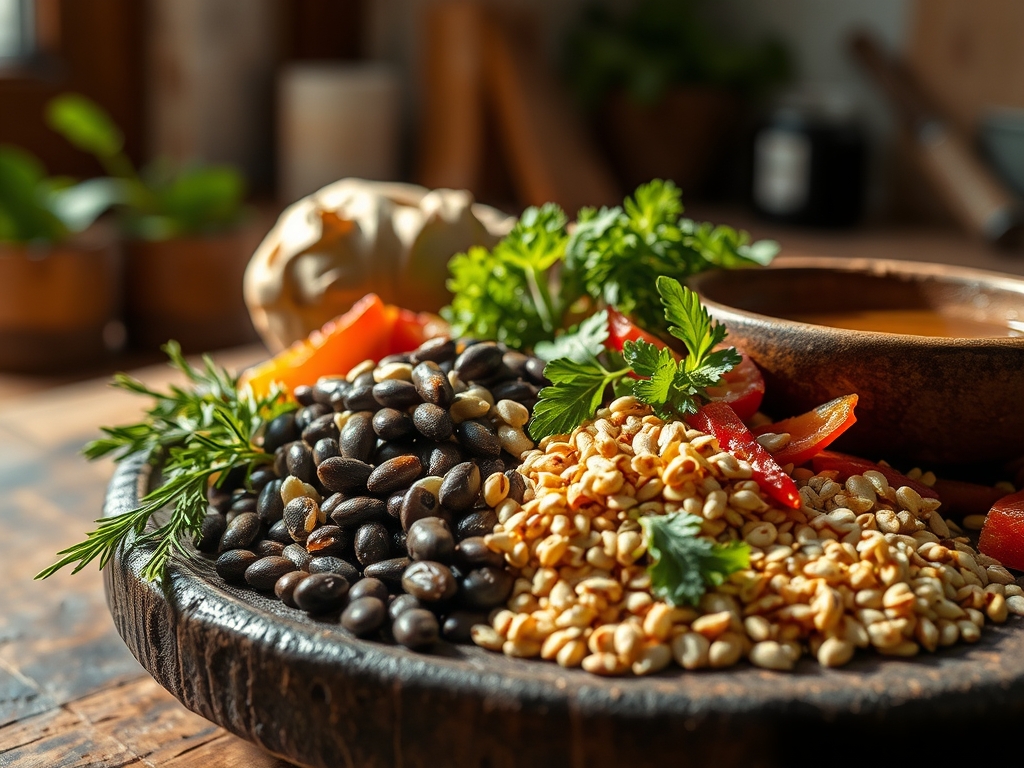
To execute these black bean chicken recipes with precision, your mise-en-place must be impeccable. Start with the chicken: choose boneless, skinless thighs for their higher fat content and resistance to drying out during high-heat searing. For the black beans, you have two paths. If you are going the traditional route, seek out fermented black beans (douchi), which offer a salty, funky depth that canned beans simply cannot replicate. If using canned beans, rinse them thoroughly in a fine-mesh sieve to remove excess metallic-tasting starch.
Your aromatics are the backbone here. You will need fresh ginger, sliced into matchsticks to provide a sharp, piquant bite, and garlic cloves crushed with the flat of a chef's knife to release their essential oils. For the sauce, gather high-quality soy sauce, toasted sesame oil, and a splash of Shaoxing wine or dry sherry to deglaze the pan.
Smart Substitutions:
If you are avoiding soy, coconut aminos offer a similar salty-sweet profile with a lower glycemic index. For those who want a spicy kick, a dollop of chili crisp or sambal oelek adds heat and texture. If you cannot find fermented beans, a high-quality black bean garlic paste is a fantastic shortcut that maintains that signature viscous consistency. Use a microplane to zest a bit of lime over the finished dish to provide a bright, acidic counterpoint to the heavy umami notes.
The Clock
Efficiency in the kitchen is all about the Chef's Flow. For these recipes, expect a total active time of 30 to 40 minutes. The prep phase takes roughly 15 minutes; this includes slicing your protein against the grain to ensure tenderness and dicing your vegetables into uniform sizes for even cooking.
The cooking phase is rapid, usually clocking in at 10 to 12 minutes of intense heat. Because we are working with high temperatures, you must have all ingredients within arm's reach. There is no time to chop an onion once the chicken hits the oil. This "fast and furious" approach prevents the vegetables from losing their structural integrity, ensuring they stay crisp-tender rather than mushy.
The Masterclass
1. The Sear and Render
Heat your heavy-bottomed skillet or wok until a drop of water flicked onto the surface evaporates instantly. Add a high-smoke-point oil like grapeseed or avocado oil. Pat your chicken dry with paper towels; moisture is the enemy of a good sear. Place the chicken in a single layer and let it sit undisturbed for three minutes.
Pro Tip: This patience allows for the Maillard reaction, a chemical reaction between amino acids and reducing sugars that creates that savory, browned crust. Moving the meat too early causes it to steam rather than sear.
2. Aromatics Infusion
Once the chicken is browned, push it to the perimeter of the pan and drop your ginger, garlic, and fermented beans into the center. Use your tongs to move them rapidly. You are looking for them to become fragrant without burning.
Pro Tip: This is called blooming the aromatics. The heat fat-solubilizes the flavor compounds in the garlic and ginger, distributing the taste more evenly throughout the entire dish.
3. The Deglaze
Pour in your liquid components: the wine, soy sauce, and a touch of chicken stock. Use a wooden spoon or a bench scraper to lift the browned bits (the fond) from the bottom of the pan. These bits are concentrated flavor gold.
Pro Tip: Deglazing utilizes solvent extraction. The liquid dissolves the caramelized proteins stuck to the pan, incorporating them into a rich, complex sauce.
4. The Emulsification
Add a cornstarch slurry (one part starch to two parts cold water) to the simmering liquid. Stir constantly as the sauce begins to bubble and thicken into a glossy coating that clings to the chicken.
Pro Tip: This is the science of starch gelatinization. The starch granules absorb liquid and swell, creating a network that traps water and thickens the sauce into a luxurious, velvet texture.
5. The Final Fold
Toss in your black beans and any quick-cooking greens like bok choy or snap peas. Fold everything together for sixty seconds just to heat through and coat every surface.
Pro Tip: We add the beans at the end to prevent them from breaking down. This preserves their textural identity and prevents the sauce from becoming overly muddy or grey.
The Deep Dive
When we look at the macro nutrition of black bean chicken recipes, we see a powerhouse of a meal. A standard serving provides roughly 35 grams of protein and 8 grams of dietary fiber. The beans contribute complex carbohydrates that provide sustained energy, while the chicken offers essential B vitamins.
Dietary Swaps:
- Vegan: Replace chicken with extra-firm tofu or seitan. Press the tofu for 20 minutes beforehand to ensure it sears properly.
- Keto: Omit the cornstarch slurry and use a pinch of xanthan gum to thicken. Swap the sugar in the sauce for a keto-friendly sweetener like erythritol.
- Gluten-Free: Use tamari instead of soy sauce and ensure your fermented bean paste is certified GF.
The Fix-It:
- The Sauce is Too Salty: Add a splash of rice vinegar or a squeeze of lime. The acid cuts through the sodium perception.
- The Chicken is Dry: You likely overcooked it. Next time, pull the chicken when it hits 160 degrees Fahrenheit; thermal carryover will bring it to the safe 165 mark as it rests in the sauce.
- The Sauce is Lumpy: You added the cornstarch directly to hot liquid. Always mix it with cold water first to create a smooth slurry.
Meal Prep:
To maintain "day-one" quality, store the sauce and solids together. When reheating, add a tablespoon of water or stock to the bowl. Use a microwave-safe cover to trap steam, which rehydrates the proteins and prevents the starch in the sauce from becoming rubbery.
The Wrap-Up
Mastering black bean chicken recipes is like unlocking a secret level in your culinary journey. It is a dish that proves you do not need a million ingredients to create something that tastes like a professional kitchen produced it. By focusing on the science of the sear and the balance of umami, you are creating a meal that is both healthy and deeply satisfying. Now, grab your skillet, get that oil shimmering, and show those beans who is boss. Your dinner table is about to get a whole lot more exciting.
The Kitchen Table
Can I use dried black beans instead of canned?
Yes, but they must be soaked and simmered until tender before adding to the stir-fry. Dried beans offer a firmer texture and superior flavor, but they require significantly more prep time than the convenient canned or fermented varieties.
What is the best way to store leftovers?
Store in an airtight glass container in the refrigerator for up to four days. Glass is preferable as it does not absorb the strong odors of garlic and fermented beans, keeping your fridge smelling fresh while preserving the dish.
How do I make the chicken extra tender?
Try velveting the chicken. Coat the raw slices in a mixture of cornstarch, egg white, and rice wine for 20 minutes before searing. This creates a protective barrier that keeps the meat incredibly moist and silky during high-heat cooking.
Why are my fermented black beans so salty?
Fermented beans are preserved in salt. To control the sodium levels in your dish, always rinse the beans under cold water for thirty seconds and pat them dry before adding them to your aromatics in the skillet.