
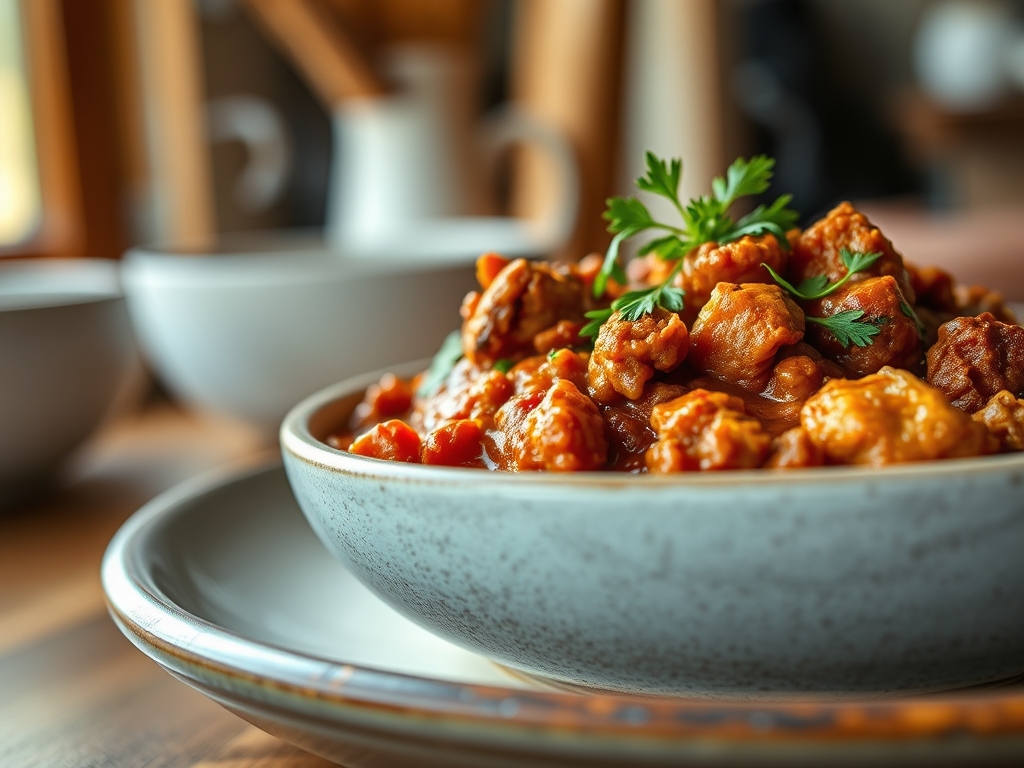
Imagine the scent of toasted cumin and blooming chipotle swirling through your kitchen as a heavy-bottomed Dutch oven hisses on the stovetop. This is the sensory magic of perfecting chili with ground chicken recipes. It is lighter than beef but acts as a flavor sponge; it absorbs every piquant note of chili powder and the bright acidity of lime. While traditional red chili relies on heavy fats, our ground chicken approach focuses on the Maillard reaction to build a savory foundation without the grease. This is the ultimate comfort food for the modern kitchen. It is fast, lean, and intensely flavorful. Whether you are meal prepping for a busy week or hosting a Sunday game day, these recipes provide a high-protein canvas for your favorite toppings. We are moving beyond basic stews into the realm of culinary architecture. We will layer textures from creamy cannellini beans to the crunch of fresh radishes. Get your wooden spoon ready. We are about to transform humble poultry into a complex, smoky masterpiece that will make your guests beg for the secret ingredient.
The Gathers:
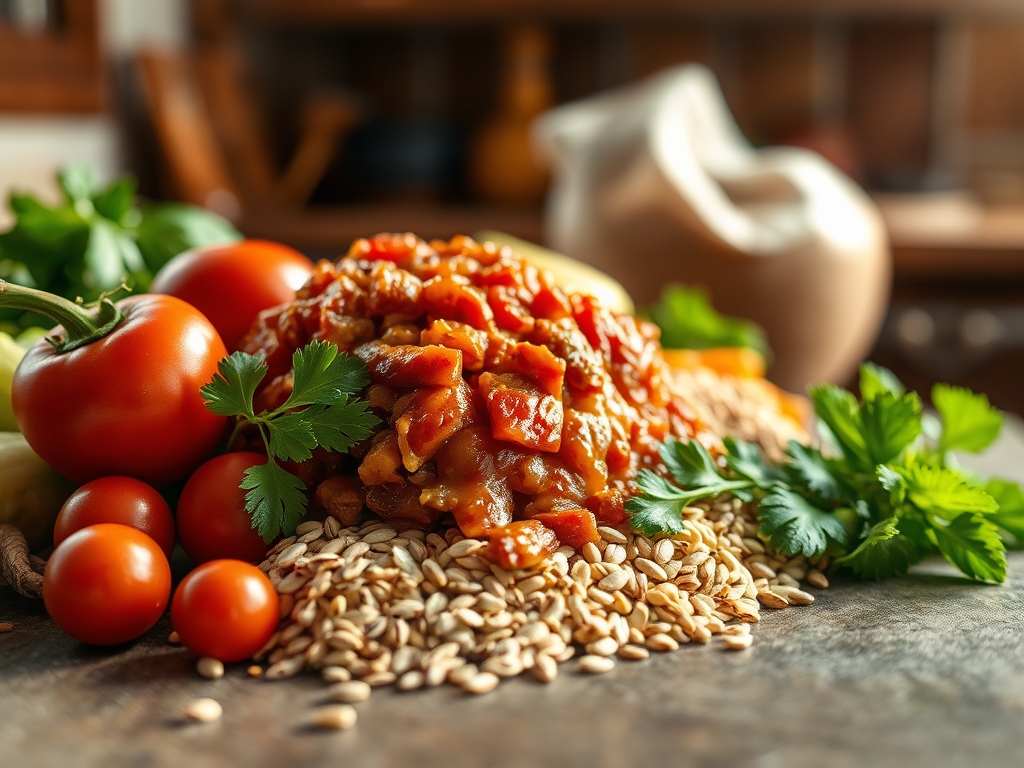
To execute these chili with ground chicken recipes with professional precision, your mise-en-place must be flawless. Start with one pound of ground chicken; ideally a mix of breast and thigh meat for a better fat-to-lean ratio. You will need a saucier or a deep skillet to allow for proper evaporation and sauce reduction. For the aromatics, gather one large yellow onion, three cloves of garlic, and a poblano pepper for a mild, earthy heat. Use a microplane to grate your garlic into a fine paste; this increases the surface area and ensures the flavor infuses the oil without burning.
Your spice rack is the laboratory. You need high-quality smoked paprika, ground cumin, dried oregano, and a touch of cinnamon to add depth. For the liquid base, use a low-sodium chicken bone broth to control the salinity while adding collagen for a viscous mouthfeel. Smart substitutions are key for dietary flexibility. If you need to swap the beans, use diced sweet potatoes for a paleo-friendly fiber boost. If you find your chili lacks a "meatiness," a teaspoon of tomato paste or a splash of Worcestershire sauce provides a concentrated dose of umami. Always keep a bench scraper handy to transfer your chopped aromatics from the cutting board to the pot without losing a single morsel of flavor.
The Clock: Chef's Flow
Efficiency in the kitchen is about managing the "Chef's Flow." For most chili with ground chicken recipes, your active prep time is roughly 15 minutes. This involves the dicing of aromatics and the measuring of spices. The cooking phase spans 30 to 45 minutes. The first 10 minutes are high-intensity; you are searing the meat and blooming the spices. The remaining 30 minutes are passive simmering. This is the infusion stage where the capsaicin from the peppers integrates with the proteins in the chicken. Total time from pantry to table is under an hour, making this a "goldilocks" recipe for weeknight warriors.
The Masterclass:
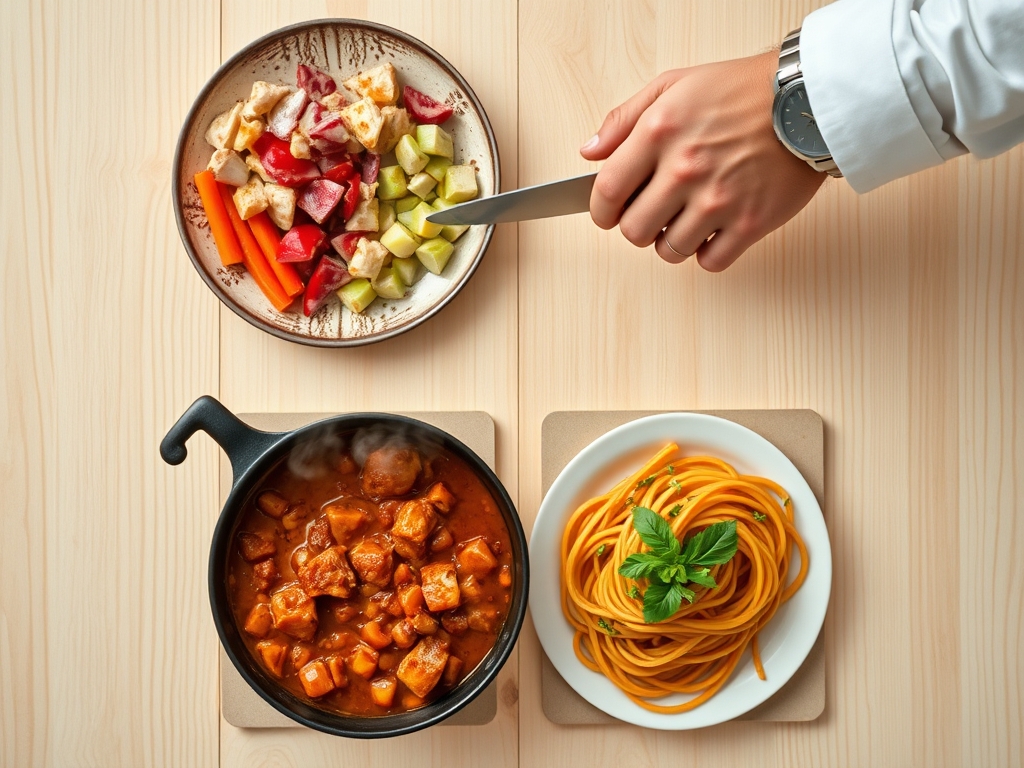
1. The Sear and Render
Heat two tablespoons of avocado oil in your heavy-bottomed skillet until it shimmers. Add the ground chicken, breaking it apart with a stiff spatula. Do not overcrowd the pan; you want the meat to brown, not steam.
Pro Tip: This is the Maillard reaction. By allowing the chicken to develop a golden-brown crust, you are creating complex flavor molecules that do not exist in raw meat.
2. The Aromatic Sweat
Push the meat to the edges and drop in your onions and peppers. Sauté until the onions are translucent and have released their natural sugars.
Pro Tip: Use a pinch of salt here to draw out moisture via osmosis. This prevents the vegetables from browning too quickly and allows them to soften evenly.
3. Blooming the Spices
Add your garlic and dry spices directly into the small pool of oil in the center of the pan. Stir constantly for 60 seconds until the kitchen smells like a spice market.
Pro Tip: Spices are fat-soluble. Blooming them in oil releases essential oils that are trapped in the dried husks, resulting in a more vibrant and aromatic chili.
4. The Deglaze
Pour in a splash of broth or dry white wine. Use your spatula to scrape up the brown bits stuck to the bottom of the pot.
Pro Tip: Those bits are called fond. They are concentrated nuggets of flavor that, once dissolved, act as the primary seasoning for your entire sauce.
5. The Gentle Simmer
Add the remaining broth, tomatoes, and beans. Bring to a boil, then immediately drop the heat to low. Cover the pot partially to allow a small amount of steam to escape.
Pro Tip: A low simmer prevents the chicken from becoming rubbery. High heat causes muscle fibers to contract violently; low heat keeps the protein tender through gentle denaturation.
6. The Final Emulsification
Before serving, stir in a squeeze of lime juice or a teaspoon of apple cider vinegar. This "wakes up" the heavy flavors.
Pro Tip: Acid acts as a flavor brightener. It cuts through the density of the beans and the richness of the chicken to create a balanced, piquant finish.
The Deep Dive:
When we look at the macro nutrition of chili with ground chicken recipes, we see a powerhouse of health. A standard serving offers roughly 25 grams of protein and only 8 grams of fat. It is a high-volume, low-calorie meal that keeps you satiated. For a Keto version, simply omit the beans and add extra bell peppers or zucchini. For a Vegan swap, replace chicken with soy crumbles and use vegetable broth.
The "Fix-It" guide for common pitfalls:
- Too Thin: If your chili is watery, smash a half-cup of the beans against the side of the pot. The released starches will naturally thicken the liquid.
- Too Spicy: If you over-indexed on the cayenne, stir in a dollop of Greek yogurt or sour cream. The fats and dairy proteins bind to the capsaicin and neutralize the burn.
- Dull Flavor: If it tastes flat, add more salt or a dash of cocoa powder. The bitterness of the cocoa enhances the smokiness of the chili peppers.
For meal prep, remember that chili is actually better on day two. As the mixture cools, the flavors continue to marry and penetrate the chicken. When reheating, add a tablespoon of water to the bowl before microwaving to aerate the sauce and prevent the meat from drying out.
The Wrap-Up:
You are now officially a scholar of the chili with ground chicken recipes. We have covered the chemistry of the sear, the importance of blooming spices, and the technical necessity of the deglaze. This dish is more than just a meal; it is a versatile tool in your culinary arsenal. It respects your time, fuels your body, and impresses your friends with its depth of flavor. Go forth and simmer with confidence. Your kitchen is your lab, and you are the head scientist.
The Kitchen Table:
How do I make my chicken chili thicker?
Smash a portion of the beans against the pot wall to release natural starches. Alternatively, whisk a teaspoon of cornstarch into cold broth and stir it in during the final ten minutes of simmering to create a viscous texture.
Can I use frozen ground chicken for this?
Yes, but ensure it is fully thawed and patted dry with paper towels. Excess moisture on the surface of the meat will cause it to steam rather than sear, preventing the essential Maillard reaction from occurring.
What is the best way to store leftovers?
Transfer the cooled chili into airtight glass containers. It will stay fresh in the refrigerator for up to four days. For long-term storage, freeze it for up to three months; the flavors often improve over time.
Is ground chicken chili healthier than beef?
Generally, yes. Ground chicken is lower in saturated fats and calories compared to traditional ground beef. Using chicken allows you to enjoy a high-protein meal while maintaining a leaner nutritional profile without sacrificing the savory, smoky flavor profile.