
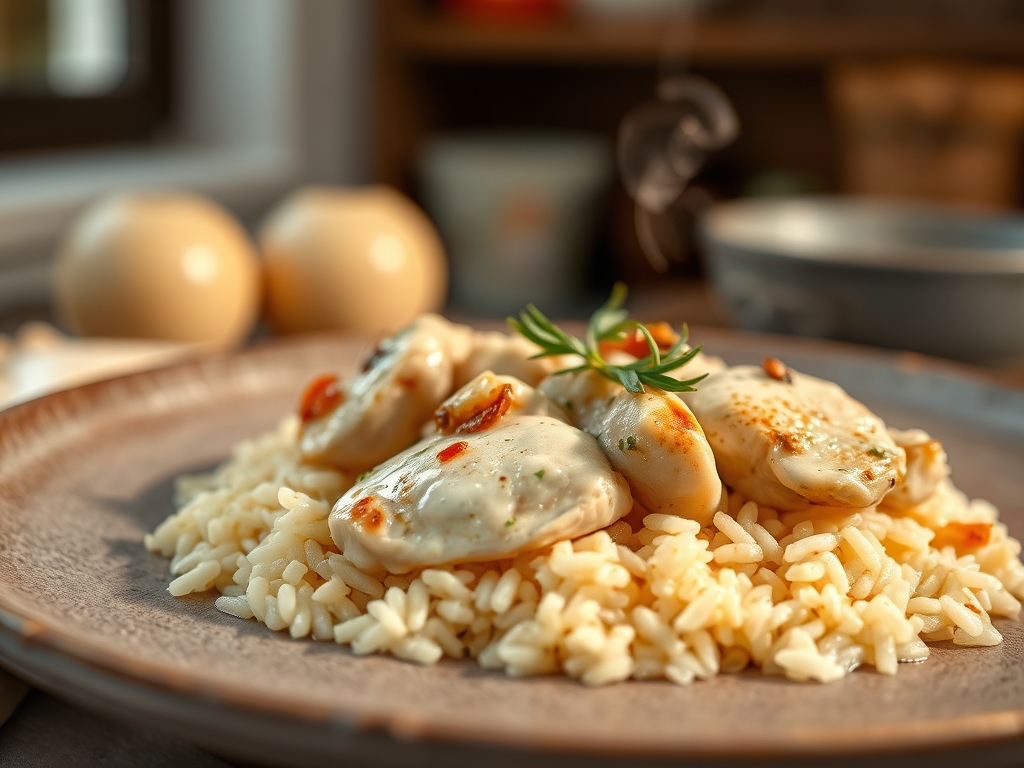
Imagine a heavy porcelain bowl radiating a gentle, fragrant heat against your palms on a rainy Tuesday evening. The steam carries notes of toasted grain and savory poultry; it is the ultimate culinary hug. Finding the perfect balance in cream of chicken recipes with rice is about more than just calories. It is about achieving that specific, velvet-like viscosity that coats a spoon without feeling heavy. We are chasing a texture that sits exactly between a hearty risotto and a traditional French veloute.
This dish is a masterclass in domestic engineering. By leveraging the natural starches in the grain and the emulsified fats in the cream, we create a meal that feels expensive but costs pennies. Most people settle for a gummy, overcooked mess, but we are going to use specific thermal techniques to ensure every grain of rice remains distinct while swimming in a glossy, golden sea. Whether you are feeding a crowd of picky toddlers or hosting a cozy dinner for two, mastering these cream of chicken recipes with rice will become your secret superpower. It is fast, it is efficient, and the science behind it is absolutely fascinating. Let us get your heavy-bottomed skillet ready.
The Gathers:
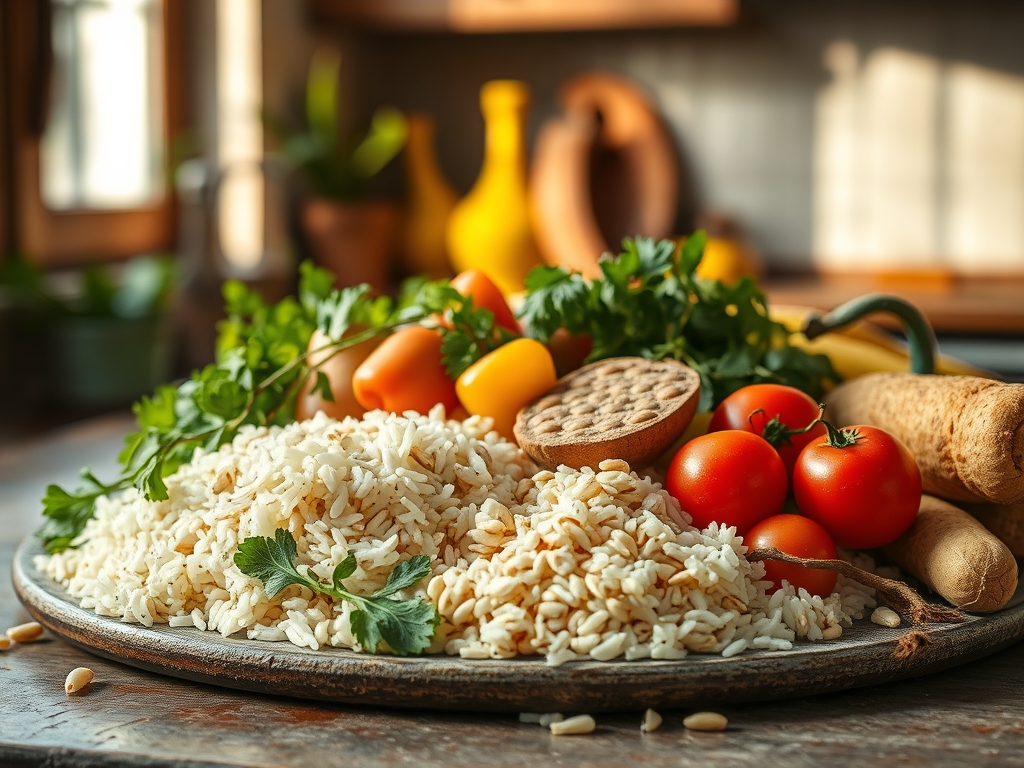
To begin, we must assemble our mise-en-place with precision. Use a digital scale for your rice to ensure the liquid-to-starch ratio is mathematically perfect. You will need 1.5 pounds of chicken thighs; I prefer thighs over breasts because the higher fat content allows the meat to render beautifully without drying out. For the rice, choose a long-grain variety like Jasmine or Basmati. These contain a higher ratio of amylose, which prevents the grains from sticking together into a gelatinous clump.
Your aromatics are the soul of the dish. Gather three stalks of celery, two large carrots, and one yellow onion. We will also need four cloves of garlic, which you should process with a microplane to create a fine paste that integrates seamlessly into the sauce. For the "cream" element, a high-quality canned condensed soup works, but we will elevate it with a splash of heavy cream and a teaspoon of Dijon mustard for a piquant finish.
Smart Substitutions: If you are avoiding dairy, a full-fat coconut milk provides the necessary lipids without a dominant coconut flavor if balanced with extra poultry seasoning. For a grain-free version, cauliflower rice can be swapped in, though you must reduce the broth by half to account for the vegetable's high water content. If you lack fresh herbs, use a dried herbes de Provence blend, but remember to bloom them in the fat early to release their fat-soluble volatile oils.
The Clock
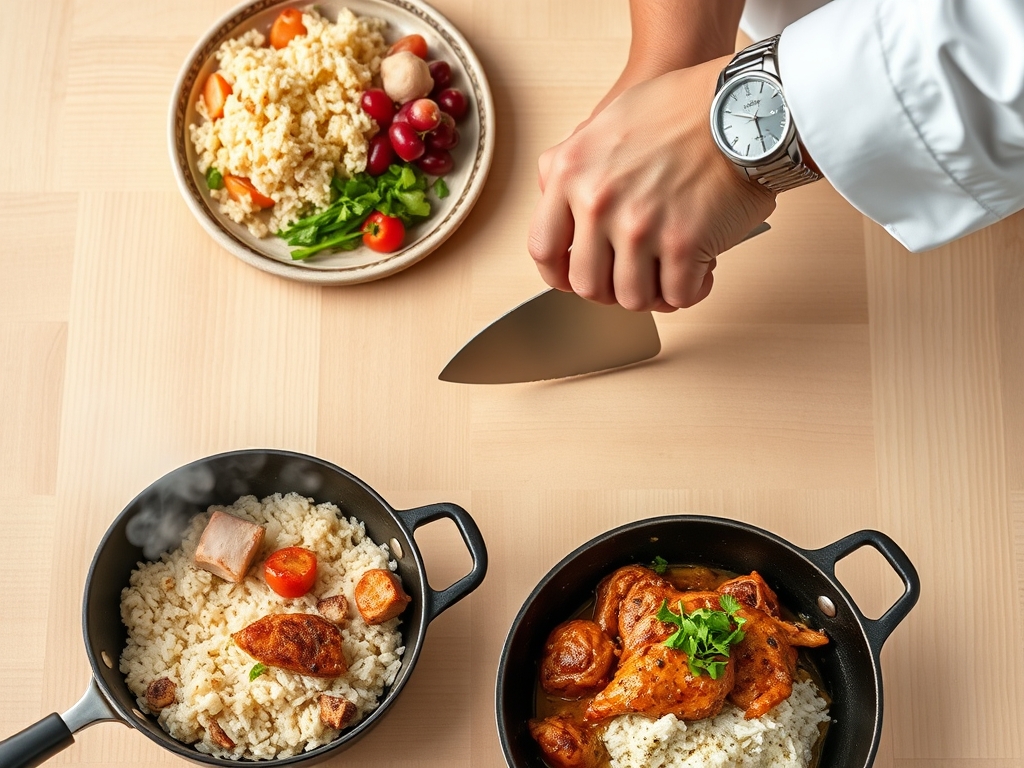
Preparation requires exactly 15 minutes of focused knife work. The "Chef's Flow" dictates that you chop your aromatics first so they can sit and begin to oxidize slightly, which some chefs believe deepens the flavor profile. The cooking phase takes 25 minutes of active time, followed by a 5-minute rest period. This rest is non-negotiable; it allows the starch molecules to fully hydrate and the proteins to relax, ensuring the chicken is succulent rather than stringy. Total time from pantry to table is roughly 45 minutes.
The Masterclass
1. The Sear and Render
Pat your chicken dry with paper towels to remove surface moisture. Heat two tablespoons of neutral oil in a saucier or deep skillet until it reaches the shimmering point. Season the chicken aggressively with salt and pepper, then sear until a golden crust forms.
Pro Tip: This is the Maillard reaction in action. By browning the meat, you are creating hundreds of different flavor compounds that do not exist in raw meat. Do not crowd the pan, or the temperature will drop, causing the meat to steam instead of sear.
2. Sauté the Aromatics
Remove the chicken and add your diced vegetables to the residual fat. Use a wooden spoon or bench scraper to move the vegetables around, picking up the brown bits (the fond) from the bottom of the pan.
Pro Tip: Adding a pinch of salt now draws out moisture through osmosis. This allows the vegetables to soften in their own juices, concentrating their natural sugars without burning the exterior.
3. Toasting the Grains
Add your dry rice directly to the pan with the vegetables. Stir constantly for two minutes until the edges of the rice grains become translucent and they emit a nutty aroma.
Pro Tip: This technique is called dextrinization. Toasting the starch molecules makes them less likely to burst and become "mushy" during the simmering process, resulting in a superior mouthfeel.
4. The Deglaze and Simmer
Pour in your chicken broth and the cream of chicken base. Use your spoon to deglaze the pan thoroughly. Return the chicken to the skillet, cover with a tight-fitting lid, and drop the heat to the lowest setting.
Pro Tip: Maintaining a low temperature prevents the proteins in the dairy from denaturing and curdling. A gentle simmer ensures the heat penetrates the rice grains evenly through conduction.
5. The Final Emulsification
Once the rice is tender, stir in a half-cup of heavy cream and a handful of fresh parsley. Use a whisk to gently aerate the sauce as you stir, which lightens the texture.
Pro Tip: This final step utilizes mechanical emulsification. By stirring briskly at the end, you are forcing the fats and liquids to bind together, creating that signature silky finish seen in the photos above.
The Deep Dive
From a nutritional standpoint, this dish is a powerhouse of slow-releasing carbohydrates and high-quality protein. A standard serving contains approximately 450 calories, 28 grams of protein, and 12 grams of fat. To make this Keto-friendly, swap the rice for konjac pearls and use extra heavy cream. For a Vegan version, utilize a cashew-based cream and chickpeas instead of poultry.
The Fix-It:
- Too Salty? Add a splash of acid, like lemon juice or white wine vinegar. The acid masks the perception of salt on the tongue.
- Too Thin? Create a slurry with one teaspoon of cornstarch and cold water. Whisk it in and boil for 30 seconds to activate the thickening power.
- Gummy Rice? You likely stirred too much during the simmer. Next time, leave the lid on. To fix it now, spread it on a sheet pan and bake at 350F for five minutes to evaporate excess moisture.
Meal Prep Science: To reheat, add two tablespoons of water or milk per serving. Rice is "hygroscopic," meaning it absorbs moisture as it sits in the fridge. Reheating without added liquid will result in a dry, cracked texture. Use a microwave cover to create a steam chamber for "day-one" quality.
The Wrap-Up
There is a reason why cream of chicken recipes with rice remain a staple in kitchens worldwide. It is the perfect marriage of chemistry and comfort. By understanding how to toast your grains and properly emulsify your sauce, you have elevated a simple pantry meal into a gourmet experience. Go ahead and serve this with a crisp green salad to provide a structural contrast to the creamy rice. Your kitchen now smells like a professional bistro, and your stomach will certainly thank you.
The Kitchen Table
Can I use brown rice for this recipe?
Yes, but you must increase the liquid by half a cup and extend the cooking time to 45 minutes. Brown rice has an outer bran layer that requires more heat and hydration to soften properly.
Why is my chicken dry even in the sauce?
You likely used chicken breasts and overcooked them. Breasts lack the connective tissue found in thighs. For best results, use a digital thermometer and pull the chicken once it hits 165 degrees Fahrenheit.
Can I make this in a slow cooker?
Absolutely. Add all ingredients except the cream and herbs. Cook on low for six hours. Stir in the dairy at the very end to prevent the fats from breaking and becoming oily during the long cook.
How do I stop the rice from sticking to the bottom?
Use a heavy-bottomed skillet to ensure even heat distribution. Thin pans create "hot spots" that scorch the starch. Also, ensure your lid fits tightly to maintain the steam pressure required for even cooking.
Is it safe to freeze cream-based rice dishes?
While safe, the texture may change. Dairy sometimes separates when thawed. To fix this, reheat the dish slowly on the stovetop while whisking vigorously to re-incorporate the fats into the sauce.