
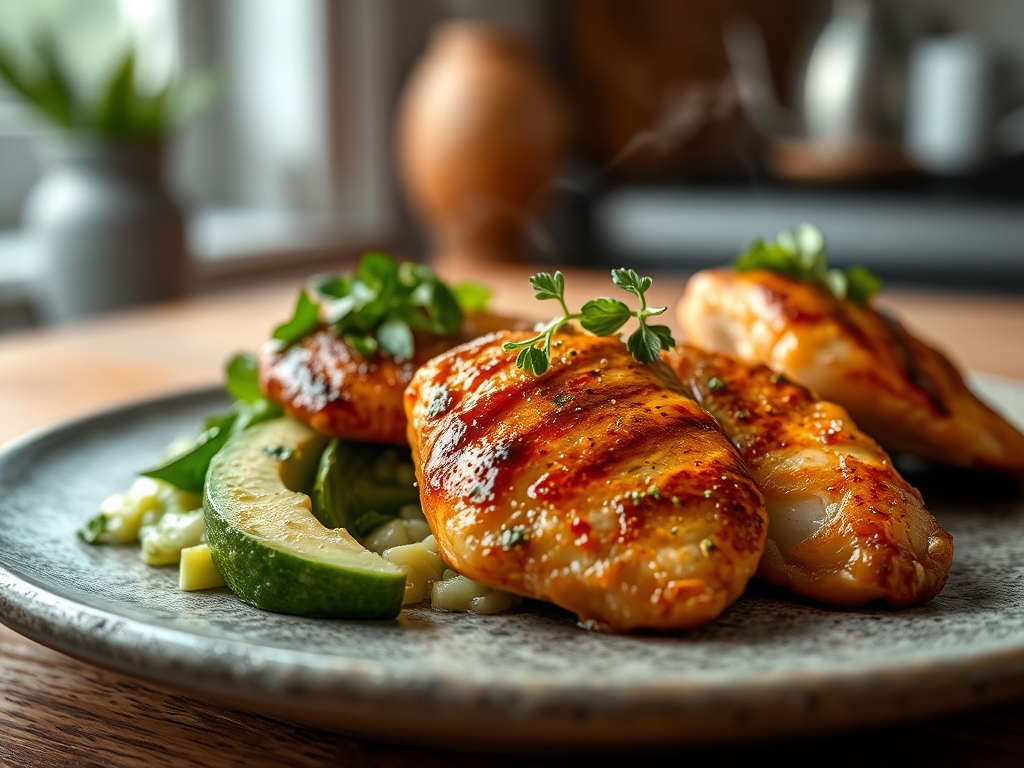
Imagine the sizzle of a heavy-bottomed skillet meeting a cold-pressed oil, followed immediately by the aromatic release of searing poultry. When you master avocado and chicken recipes, you are not just making dinner; you are balancing the structural integrity of lean protein against the luxurious, lipid-heavy profile of the fruit. This pairing is a culinary powerhouse because the monounsaturated fats in the avocado act as a delivery system for the fat-soluble vitamins found in fresh greens and spices. Whether it is a charred lime-cilantro breast or a creamy whipped mousse topping a grilled thigh, the contrast in textures creates a sensory experience that feels indulgent yet remains biologically efficient. We are diving into the molecular magic of why these two work so well together, focusing on how to maintain the vibrant green hue of the avocado while achieving a perfect Maillard reaction on the chicken. By the end of this guide, your kitchen will feel like a high-end test lab where flavor meets function.
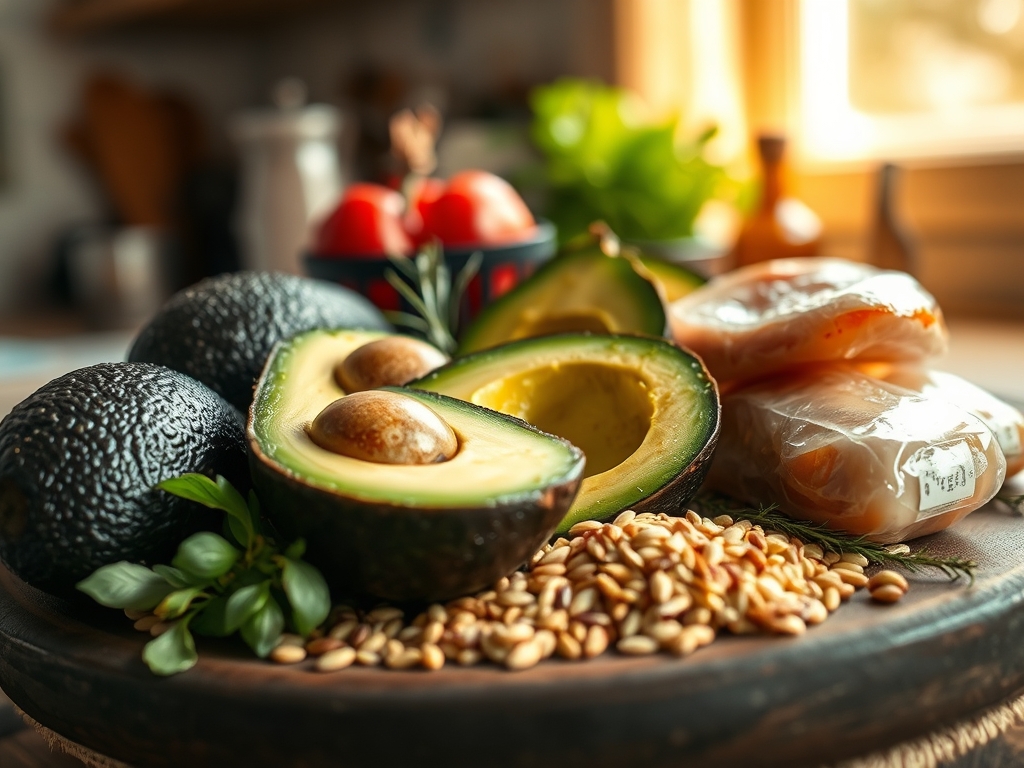
The Gathers:
To begin our mise-en-place, we must respect the biological variance of our ingredients. For the chicken, look for air-chilled breasts or thighs. These have less water retention, ensuring that when they hit the pan, they sear rather than steam. For the avocado, we require the Hass variety for its high oil content and buttery viscosity. You will need a sharp chef knife to achieve clean, non-bruised slices and a microplane to zest citrus, which provides the piquant acidity necessary to cut through the fat.
Smart Substitutions:
If you find your avocados are under-ripe, you can mimic that creamy mouthfeel by using a Greek yogurt base infused with a touch of olive oil. If you are avoiding poultry, firm pressed tofu or oyster mushrooms offer a similar porous structure that absorbs marinades beautifully. For a low-carb swap, replace traditional tortillas or bread with large butter lettuce leaves or hollowed-out bell peppers to maintain that crunch without the glycemic load. Always keep a digital scale nearby to ensure your protein-to-fat ratios remain consistent for the best nutritional output.
The Clock
Efficiency in the kitchen is about understanding the "Chef's Flow." This is the logical sequencing of tasks to minimize downtime. For most avocado and chicken recipes, your active prep time will hover around 20 minutes, with a cooking window of 15 to 25 minutes depending on the cut of meat.
The secret is to prep your chicken first. Because the avocado begins to oxidize the moment its flesh meets oxygen, it should be the very last thing you touch. Start by marinating or seasoning your chicken; this allows the salt to penetrate the muscle fibers through osmosis. While the chicken rests or cooks, you can prepare your salsas, dressings, or garnishes. This flow ensures that by the time the chicken has finished its resting period, your avocado is at its peak vibrancy.
The Masterclass
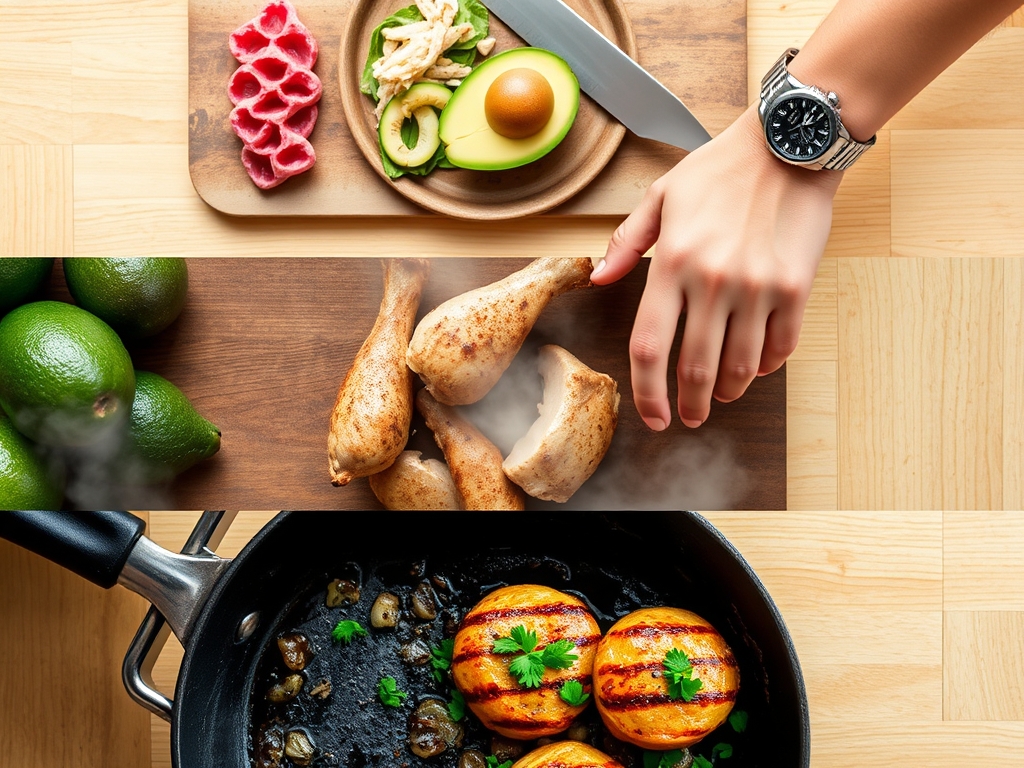
1. The Sear and Render
Place your chicken in a preheated cast iron skillet. Do not crowd the pan; this drops the surface temperature and prevents the Maillard reaction. Use tongs to flip the meat only once a golden-brown crust has formed.
Pro Tip: This browning is the result of a chemical reaction between amino acids and reducing sugars. It creates hundreds of different flavor compounds that provide the "savory" depth avocado lacks.
2. The Rest and Residual Heat
Once the internal temperature reaches 160 degrees Fahrenheit, remove the chicken. Place it on a wooden cutting board and let it sit for at least five minutes before slicing.
Pro Tip: This allows for thermal carryover, where the internal temperature rises to the safe 165 mark while the muscle fibers relax, allowing the juices to redistribute rather than spilling out onto the board.
3. The Avocado Emulsion
While the chicken rests, scoop your avocado into a small bowl. Use a whisk or a saucier to combine it with lime juice, sea salt, and a splash of avocado oil until it becomes a smooth, viscous crema.
Pro Tip: The citric acid in the lime juice acts as a sacrificial antioxidant. It reacts with oxygen before the enzymes in the avocado can, effectively preventing enzymatic browning and keeping your sauce bright green.
4. The Final Assembly
Slice the chicken against the grain to ensure a tender bite. Fan the avocado slices over the top or dollop your crema generously. Finish with a sprinkle of flaky salt to enhance the fat-soluble flavors.
Pro Tip: Slicing against the grain shortens the muscle fibers, making the protein easier to masticate and allowing the creamy avocado to coat each piece more effectively.
The Deep Dive
When we look at the macro nutrition of avocado and chicken recipes, we see a near-perfect balance. You are getting high-quality, complete proteins alongside heart-healthy monounsaturated fats and a significant dose of potassium and fiber. This combination stabilizes blood sugar and promotes satiety for hours.
Dietary Swaps:
For a keto-friendly version, double the avocado and use skin-on chicken thighs to increase the healthy fat count. For a vegan-friendly alternative, use chickpeas or tempeh; the avocado provides the necessary richness that plant proteins often lack. If you are gluten-free, ensure your spices and marinades do not contain hidden thickeners or malt vinegar.
The Fix-It:
- Rubbery Chicken: This usually means you overcooked it or did not let it rest. Use a digital thermometer every single time to hit that 160-degree pull-off point.
- Brown Avocado: If your prep was too early, you can "revive" the look by scraping off the top oxidized layer or blending it with fresh cilantro and lime to mask the color change.
- Bland Flavor: Avocado is essentially a blank canvas of fat. If it tastes dull, you likely need more acid (lime/lemon) or salt to make the flavors "pop."
Meal Prep Science:
To reheat chicken without it turning into cardboard, use a damp paper towel over the plate in the microwave. This creates a small steam chamber. However, never reheat the avocado. Store the avocado separately in an airtight container with the pit left in and a layer of plastic wrap pressed directly against the surface to minimize air contact. Add the fresh avocado to the warm chicken just before serving.
The Wrap-Up
Mastering avocado and chicken recipes is your ticket to being the most impressive cook in your friend group. It is a masterclass in contrasting elements; the hot, savory, textured chicken against the cool, smooth, earthy avocado. By understanding the science of oxidation and the importance of the Maillard reaction, you transform a simple meal into a technical triumph. Now, grab your tongs, find the perfect Hass, and get to work. Your kitchen is waiting for its next masterpiece.
The Kitchen Table
How do I stop avocados from turning brown in chicken salad?
Mix the avocado with an acidic agent like lime juice or vinegar immediately. The acid inhibits polyphenol oxidase, the enzyme responsible for browning. Store the salad with plastic wrap pressed directly onto the surface to eliminate oxygen contact.
Can I cook avocado with the chicken?
Yes, but do it briefly. High heat can make avocado slightly bitter and mushy. Try grilling avocado halves for sixty seconds just to get char marks, then top them with your seared chicken for a smoky, warm flavor profile.
What part of the chicken is best for these recipes?
Thighs are more forgiving due to their higher fat content and connective tissue. However, breasts are excellent for "cleaner" flavors if you use a meat thermometer to prevent drying out. Both pair equally well with the creamy texture of avocado.
Why is my avocado and chicken pairing tasting bland?
Avocados need salt and acid to shine. If the dish feels flat, increase your lime juice or add a piquant element like pickled red onions or jalapeños. The acidity cuts through the fat, highlighting the savory notes of the chicken.