
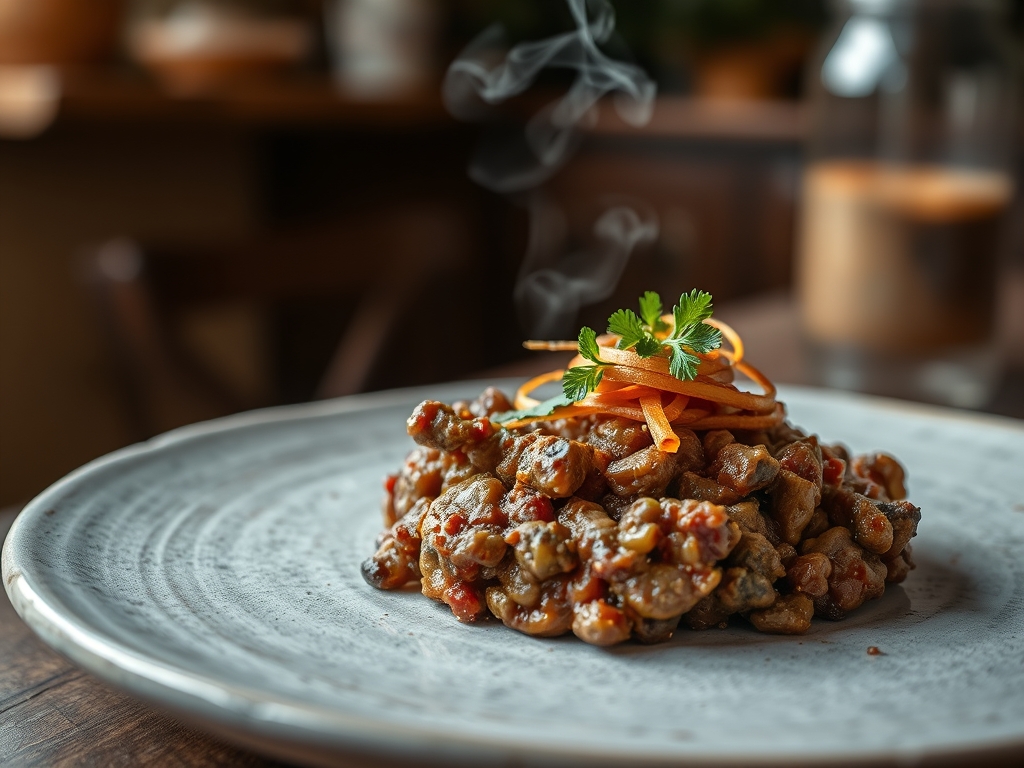
Picture the sizzle of a cast iron skillet as it hits that sweet spot of four hundred degrees. The aroma is deep; it is savory; it is undeniably meaty. If you have been hunting for the ultimate guide to impossible ground beef recipes, you have likely realized that plant-based protein is not just a substitute; it is a high-tech culinary ingredient that requires a specific set of rules. We are moving past the days of crumbly, dry veggie burgers. Today, we are engineering flavor profiles that rival any steakhouse. This is about mastering the Maillard reaction without the animal fat. It is about understanding how coconut oil and potato protein mimic the mouthfeel of traditional beef. Whether you are a long-time vegan or a curious carnivore, mastering this medium requires a shift in your mental kitchen model. We are going to treat this protein with the respect it deserves; using precision, heat, and a little bit of food science magic to create dishes that leave your guests questioning everything they thought they knew about plants.
The Gathers:
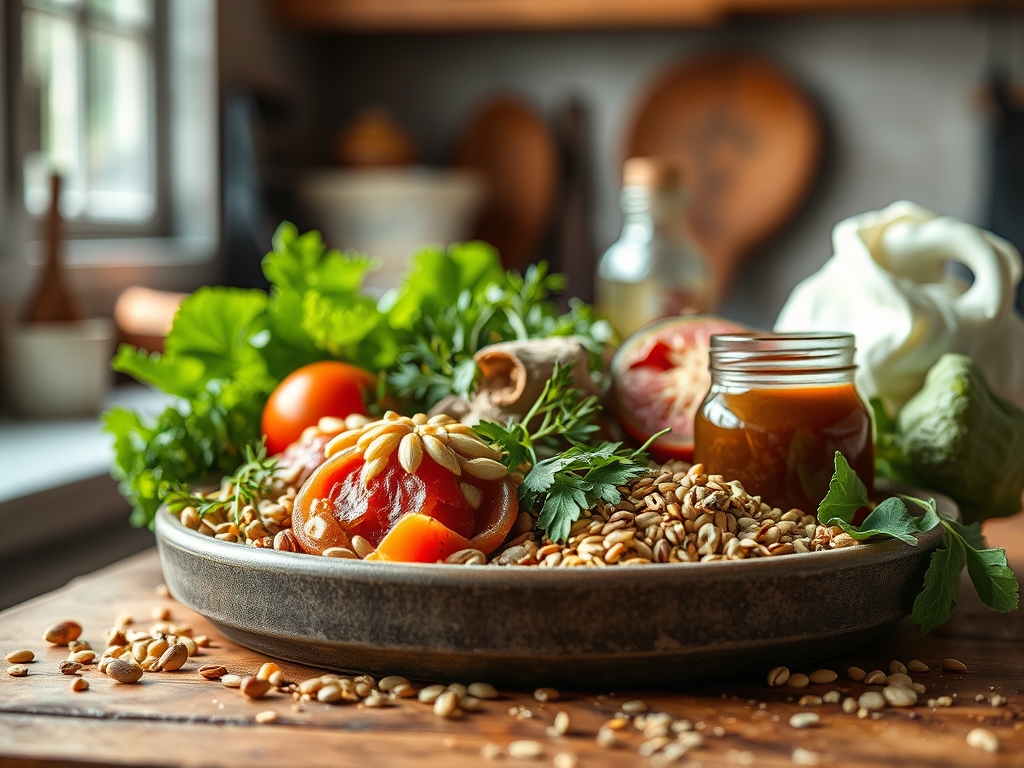
To execute world-class impossible ground beef recipes, your mise-en-place must be impeccable. You are working with a product that contains heme, a molecule that carries iron and creates that signature "bloody" flavor. Start with your protein chilled; this is non-negotiable. When the fats (mostly coconut and sunflower oils) are cold, they remain solid, allowing you to shape the meat without it becoming a viscous mess.
You will need a heavy-bottomed skillet, preferably seasoned cast iron or heavy stainless steel, to ensure even heat distribution. Reach for your microplane to grate aromatics like garlic and ginger into a fine paste; this ensures they meld into the protein rather than burning on the surface. For "Smart Substitutions," if you find the mixture too soft, do not reach for breadcrumbs immediately. Instead, try a teaspoon of tapioca starch or chilled aquafaba to act as a binder without dulling the beefy flavor. Always have a digital scale handy to portion your patties or meatballs with mathematical precision.
The Clock:
Mastering the "Chef's Flow" means synchronizing your prep with the thermal properties of the meat. Total preparation time usually clocks in at fifteen minutes, while active cooking takes about ten. Because plant-based meat does not have the same connective tissue as cow muscle, it does not require long braising times to become tender. In fact, overcooking is the primary enemy here.
Spend the first ten minutes prepping your cold ingredients and preheating your pan. The "Flow" dictates that you should only remove the protein from the refrigerator the moment it is ready to hit the heat. This prevents the fats from rendering prematurely on your cutting board. Once in the pan, the clock moves fast. You are looking for a high-heat sear of three minutes per side to achieve a crust before the interior loses its moisture.
The Masterclass:
1. The Cold-Start Manipulation
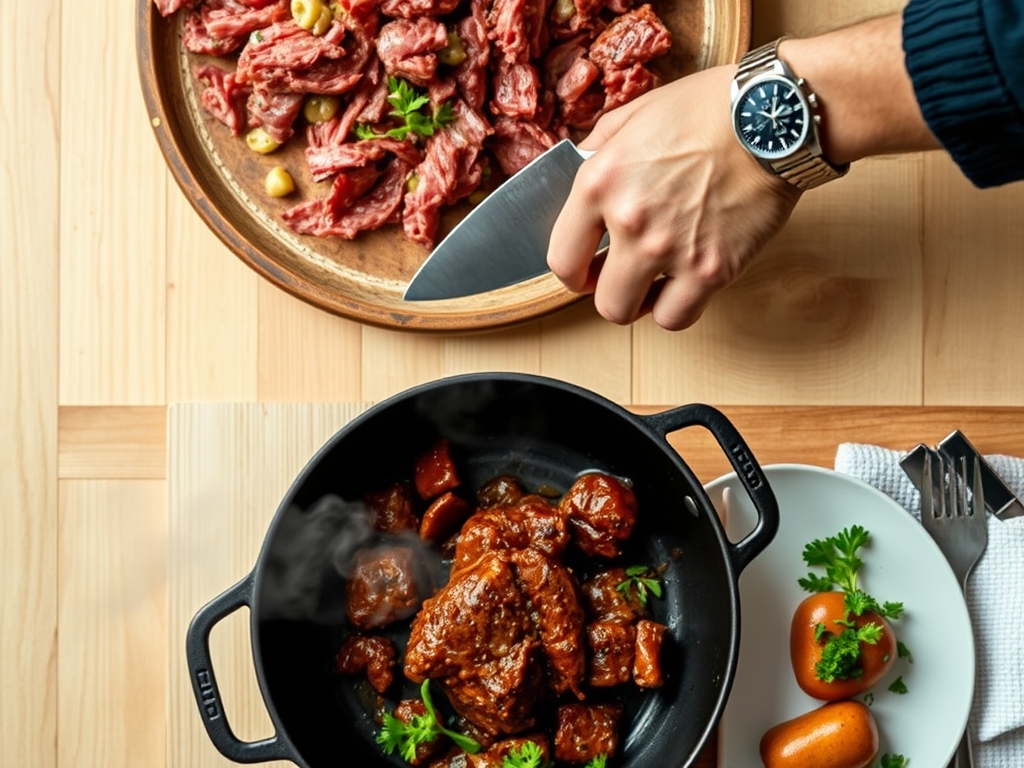
Keep your protein at thirty-five degrees Fahrenheit until the second it touches the pan. Use a bench scraper to divide the block into portions rather than over-handling it with warm hands.
Pro Tip: This preserves the "fat pockets" within the matrix. If the fat melts before cooking, the texture becomes "mushy" rather than "meaty" because the emulsification breaks down prematurely.
2. The Sear and Crust Architecture
Place your portions into a screaming hot skillet. Use a heavy tongs or a weighted press to ensure maximum surface contact. Do not move the meat for at least ninety seconds.
Pro Tip: This facilitates the Maillard reaction, a chemical reaction between amino acids and reducing sugars. Since plant-based meat has added sugars like dextrose, the browning happens faster than traditional beef.
3. Deglazing for Umami Depth
Once your meat is browned, remove it and use a saucier to create a pan sauce. Add a splash of red wine or mushroom stock to deglaze the brown bits (the fond) from the bottom of the pan.
Pro Tip: Plant-based proteins lack the natural "blood" juices of beef, so creating a secondary sauce adds the piquant depth and moisture necessary for a premium mouthfeel.
4. Aerating the Crumbles
If your recipe calls for crumbles (like tacos or bolognese), use a stiff whisk or a potato masher to aerate the meat as it cooks. This prevents the protein from clumping into dense, rubbery nuggets.
Pro Tip: Increasing the surface area through aeration allows for more even heat distribution and better absorption of fat-soluble spices.
5. Infusing with Fat-Soluble Aromatics
Add your spices (cumin, smoked paprika, or chili powder) directly into the oil in the pan rather than dusting them on top of the meat.
Pro Tip: Many flavor compounds are lipophilic, meaning they dissolve and intensify in fat. Blooming your spices in the rendered coconut oil creates a more vibrant flavor profile.
6. The Carryover Heat Management
Remove the meat from the heat when it is about five degrees below your target temperature. Use an instant-read digital thermometer to pull it at 155 degrees Fahrenheit.
Pro Tip: Thermal carryover will continue to cook the interior even after it leaves the pan. Overshooting the temperature leads to protein denaturation, which makes the meat dry and grainy.
7. Texture Balancing with Acids
Finish your dish with a squeeze of fresh lime or a drop of sherry vinegar. This cuts through the richness of the coconut oil.
Pro Tip: Acid acts as a flavor "brightener" that balances the heavy, savory notes of the heme, making the plant-based protein taste "fresher."
8. The Resting Period
Allow your patties or loaf to rest for five minutes before slicing. This allows the internal moisture to redistribute through the fiber network.
Pro Tip: Resting prevents the "bleeding" of juices onto the plate, ensuring every bite remains succulent and the structure stays intact.
The Deep Dive:
When we look at the macro nutrition, impossible ground beef is a powerhouse. It typically offers nineteen grams of protein per four-ounce serving, with zero cholesterol. However, it is higher in sodium than plain raw beef, so adjust your seasoning accordingly. For those on specific diets: it is naturally Gluten-Free and Halal; but for Keto followers, be mindful of the carbohydrate counts in the binders.
The Fix-It:
- Problem: The meat is sticking to the pan. Fix: Your pan was not hot enough or you did not use enough initial oil. Use a high-smoke-point oil like avocado oil.
- Problem: It tastes too "metallic." Fix: Balance the heme with a pinch of sugar or a heavy dose of caramelized onions to provide a sweet counterpoint.
- Problem: The texture is too soft. Fix: Increase the heat and decrease the cook time. You want a "medium-rare" finish.
Meal Prep Science: To reheat and maintain "day-one" quality, avoid the microwave. The microwave agitates water molecules and can make the plant proteins rubbery. Instead, reheat in a covered skillet with a tablespoon of water to create steam, which re-hydrates the fats gently.
The Wrap-Up:
You are now officially armed with the technical prowess to turn a package of plants into a culinary masterpiece. Remember; cooking is just delicious chemistry. By controlling your temperatures, respecting the "cold-start" rule, and mastering the sear, you can elevate impossible ground beef recipes into the realm of fine dining. Grab your cast iron, trust your thermometer, and go create something incredible. Your kitchen is the lab; the results are going to be delicious.
The Kitchen Table:
Can I cook impossible beef from frozen?
It is best to thaw it completely in the refrigerator first. Cooking from frozen prevents the center from reaching the proper temperature before the outside burns; leading to an uneven texture and poor flavor development.
Why does my plant-based beef smell different?
The scent comes from the "heme" and coconut oil reacting to heat. It is a scientific signature of the product. To neutralize any "earthy" aromas, use aromatic aromatics like sautéed onions, garlic, or a splash of Worcestershire sauce.
Is impossible beef healthier than regular beef?
It contains similar protein and calorie counts but has zero cholesterol and significantly less environmental impact. However; it is a processed food, so it should be balanced with whole vegetables and grains for a complete nutritional profile.
How long does it stay fresh in the fridge?
Once opened, use it within three days. Because it lacks animal preservatives, it can oxidize. Keep it tightly wrapped in plastic wrap or an airtight container to maintain the best color and moisture levels.