
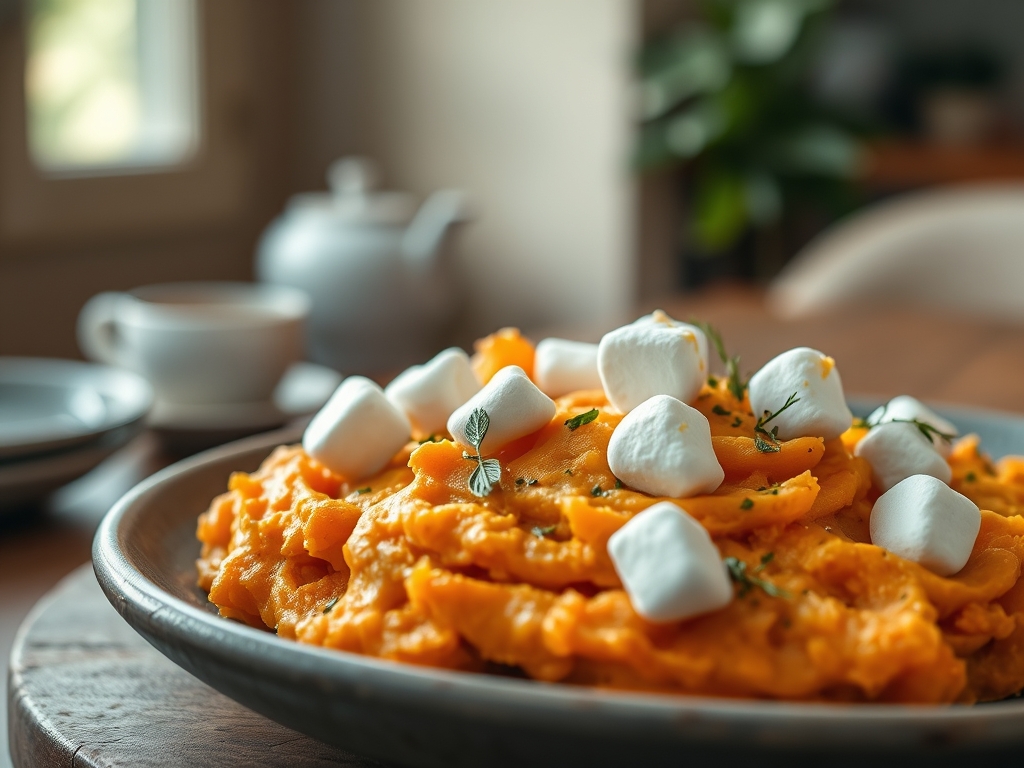
Imagine the scent of toasted vanilla clouds drifting through a kitchen where the air is thick with the aroma of cinnamon and roasted earth. When we talk about mashed sweet potato recipes with marshmallows, we are not just discussing a side dish; we are engineering a masterpiece of texture and sugar chemistry. It is the ultimate comfort food evolution.
The magic happens when the fibrous, beta-carotene-rich tubers meet the gelatinous structural integrity of a marshmallow. We are looking for that perfect interplay between the velvety, dense mash and the airy, caramelized cap. Whether you are hosting a holiday gala or just craving a Tuesday night hug in a bowl, mastering these six variations requires a bit of culinary wit and a lot of respect for the Maillard reaction. We are moving beyond the watery canned glop of yesteryear. We are building flavor profiles that range from piquant ginger-infused bases to decadent, bourbon-soaked masterpieces. Grab your favorite apron and a sturdy whisk; we are about to turn humble root vegetables into a sophisticated dessert experience that will have your guests scraping the ceramic clean.
The Gathers:
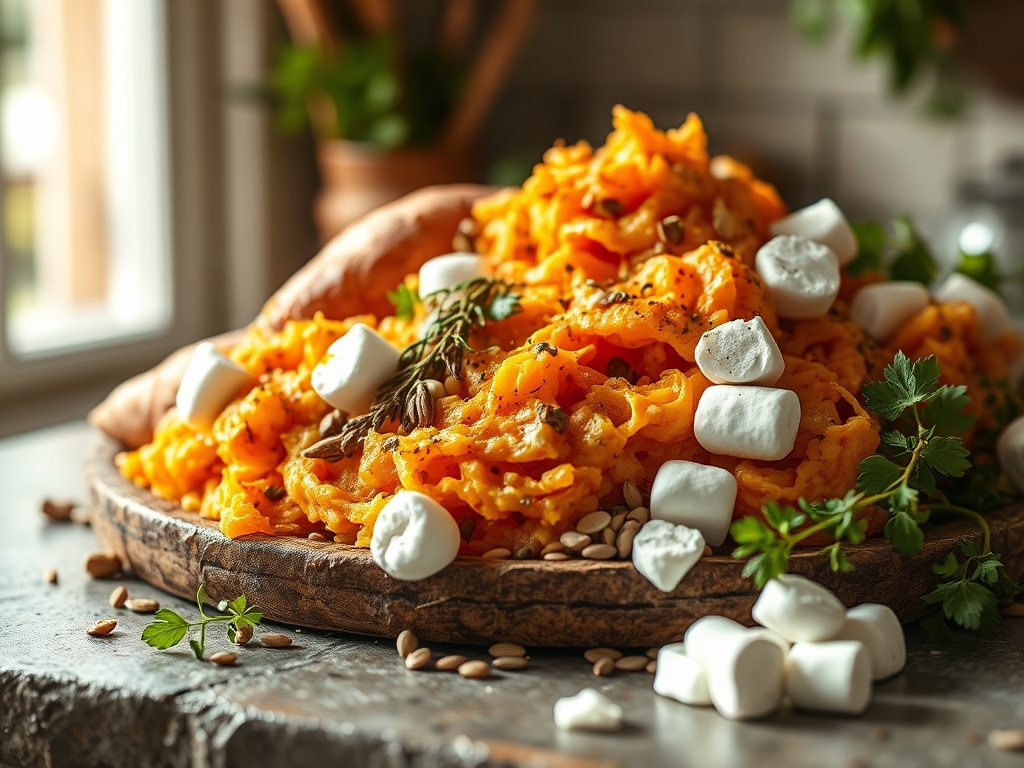
To achieve a professional-grade result, your mise-en-place must be precise. Start with Beauregard or Jewel sweet potatoes; their high sugar content and moisture levels are ideal for a viscous puree. You will need high-fat European butter (look for 82 percent butterfat) to ensure a silky mouthfeel. For the aromatics, reach for fresh nutmeg to grate with your microplane, whole cinnamon sticks for infusing, and pure Madagascar vanilla bean paste.
The marshmallow component requires fresh, non-stale stock to ensure proper melting kinetics. If you are feeling adventurous, seek out vegan marshmallows made with carrageenan for a different structural snap. For the "Smart Substitutions," consider swapping heavy cream for full-fat coconut milk to add a tropical undertone. If you need to cut the sweetness, a splash of apple cider vinegar or a pinch of flaky sea salt acts as a bright contrast to the heavy glucose profile. Always use a digital scale for your dry additions to maintain consistency; baking is, after all, just delicious chemistry.
The Clock
Efficiency in the kitchen is about "Chef's Flow," the art of overlapping tasks to minimize downtime. Expect about 15 minutes of active prep time, primarily focused on peeling and cubing the tubers. The cooking phase takes approximately 20 to 25 minutes if you are boiling, or 45 minutes if you choose to roast for deeper flavor.
The final assembly and "marshmallow torching" phase requires a quick 5 to 8 minutes under a broiler or with a kitchen torch. By the time your potatoes are simmering, you should have your garnishes toasted and your saucier ready for browning butter. This synchronized timing ensures the mash is piping hot when the marshmallows hit the surface, initiating an immediate structural soften.
The Masterclass
1. The Precision Prep
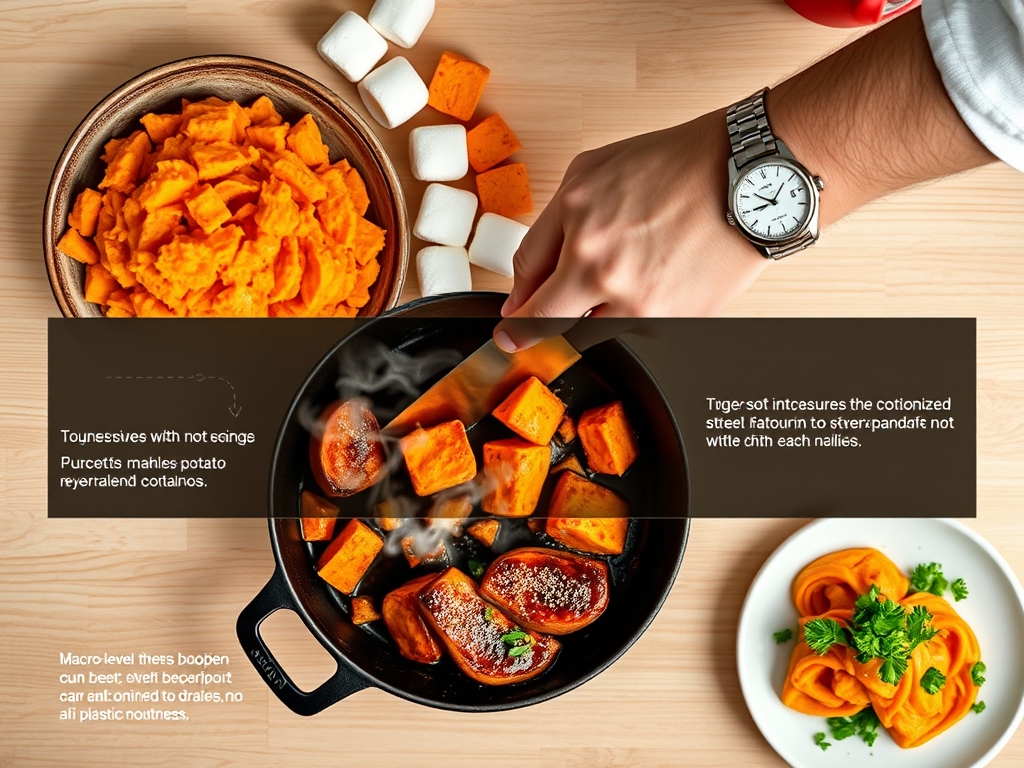
Peel and cube your sweet potatoes into uniform one-inch pieces. Uniformity is not just for aesthetics; it ensures that every piece reaches the same level of starch gelatinization simultaneously. Place them in a heavy-bottomed skillet or pot with cold salted water.
Pro Tip: Starting with cold water allows the heat to penetrate the starch granules evenly from the outside in. If you drop them into boiling water, the exterior overcooks and becomes "soupy" before the center is tender, a phenomenon known as uneven thermal distribution.
2. The Infusion Phase
Once tender, drain the potatoes and return them to the warm pot for two minutes to evaporate residual moisture. In a separate saucier, warm your cream, butter, and spices. This is where you infuse the fats with flavor before they meet the mash.
Pro Tip: This step prevents "starch shock." Adding cold dairy to hot potatoes can cause the starches to seize, resulting in a gummy texture. Warming the liquids ensures a smooth, emulsified integration.
3. The Aeration Technique
Use a potato ricer or a food mill for the smoothest possible base. If you prefer a rustic texture, a stiff whisk or a handheld mixer will work. Incorporate your warm infused cream slowly while folding the mixture to aerate the puree.
Pro Tip: Avoid over-mixing. Excessive mechanical agitation releases too much amylose from the starch cells, which turns your elegant mash into a sticky, glue-like paste. Use a bench scraper to clean the sides of the bowl efficiently.
4. The Flavor Balance
Fold in your secret weapon: a tablespoon of brown butter or a hint of orange zest. Taste for seasoning. The salt is crucial here; it suppresses bitterness and enhances the perception of sweetness in the marshmallows.
Pro Tip: This is the "flavor bridging" stage. Adding a fat-soluble aromatic like zest allows the essential oils to bind with the butter, lingering longer on the palate than water-soluble extracts.
5. The Marshmallow Architecture
Spread the mash into a shallow baking dish. Top with a dense layer of marshmallows. For the "6 Easy Delights," vary your toppings: try mini marshmallows for high surface area, or jumbo ones for a gooey, molten center.
Pro Tip: Arrange the marshmallows in a single layer to ensure even heat exposure. Overlapping them creates "cold spots" where the sugar won't properly caramelize, leading to an inconsistent texture.
6. The Maillard Finish
Place the dish under the broiler or use a kitchen torch to brown the tops. Watch closely; the transition from golden brown to carbonized black happens in seconds due to the high sugar concentration.
Pro Tip: This is the Maillard reaction in action. The amino acids in the gelatin react with the sugars under high heat, creating hundreds of new flavor compounds that give the marshmallows their characteristic "toasted" taste.
The Deep Dive
From a macro perspective, this dish is a powerhouse of Vitamin A and potassium, though the added sugars from the marshmallows move it firmly into the "treat" category. To make this Vegan, use plant-based butter and coconut cream paired with gelatin-free marshmallows. For a Keto-friendly version, swap the sweet potatoes for roasted cauliflower pureed with pumpkin extract and use sugar-free marshmallow substitutes.
The Fix-It: Common Pitfalls
- The Mash is Runny: This happens if you didn't evaporate the residual steam. Fix it by stirring the mash over low heat in a heavy-bottomed skillet to cook off the excess water.
- The Topping is Burnt: If the marshmallows catch fire, blow them out and gently lift the charred skin off with tongs. Replace with fresh marshmallows and try again at a lower rack height.
- Lumpy Texture: If you missed a few chunks, pass the entire mixture through a fine-mesh sieve. It is extra work, but it saves the elegance of the dish.
Meal Prep Magic
To reheat, avoid the microwave if possible, as it makes the marshmallows rubbery. Instead, place the dish in a 350-degree oven covered with foil. This uses convection heat to warm the center without further browning the top. Add a fresh sprinkle of marshmallows during the last two minutes to restore the "day-one" gooeyness.
The Wrap-Up
There you have it, the definitive guide to making mashed sweet potato recipes with marshmallows that actually taste as good as they look on a curated feed. By focusing on the science of starch and the precision of heat, you have elevated a humble holiday staple into a sophisticated dessert. Remember, the kitchen is your laboratory; do not be afraid to experiment with piquant spices or different fat sources to make the recipe your own. Now, go forth and toast those marshmallows to perfection!
The Kitchen Table
Can I make the sweet potato base ahead of time?
Yes. You can prepare the mash up to two days in advance. Store it in an airtight container in the fridge. When ready, reheat the base before adding the marshmallows to ensure even thermal distribution throughout the dish.
What is the best way to brown the marshmallows without an oven?
A culinary blowtorch is the professional choice. It allows for localized heat control, letting you target specific areas for caramelization without overcooking the potato base underneath. It provides that perfect, campfire-style toasted finish in seconds.
Why did my marshmallows melt into a puddle instead of browning?
This usually happens if the marshmallows are old or if the oven temperature is too low. High, direct heat is required to trigger the Maillard reaction quickly before the internal structure of the marshmallow collapses into a liquid state.
How do I prevent the potatoes from turning brown before cooking?
Sweet potatoes undergo enzymatic browning when exposed to oxygen. To prevent this, keep your peeled and cut cubes submerged in a bowl of cold water until you are ready to transfer them to the cooking pot.