
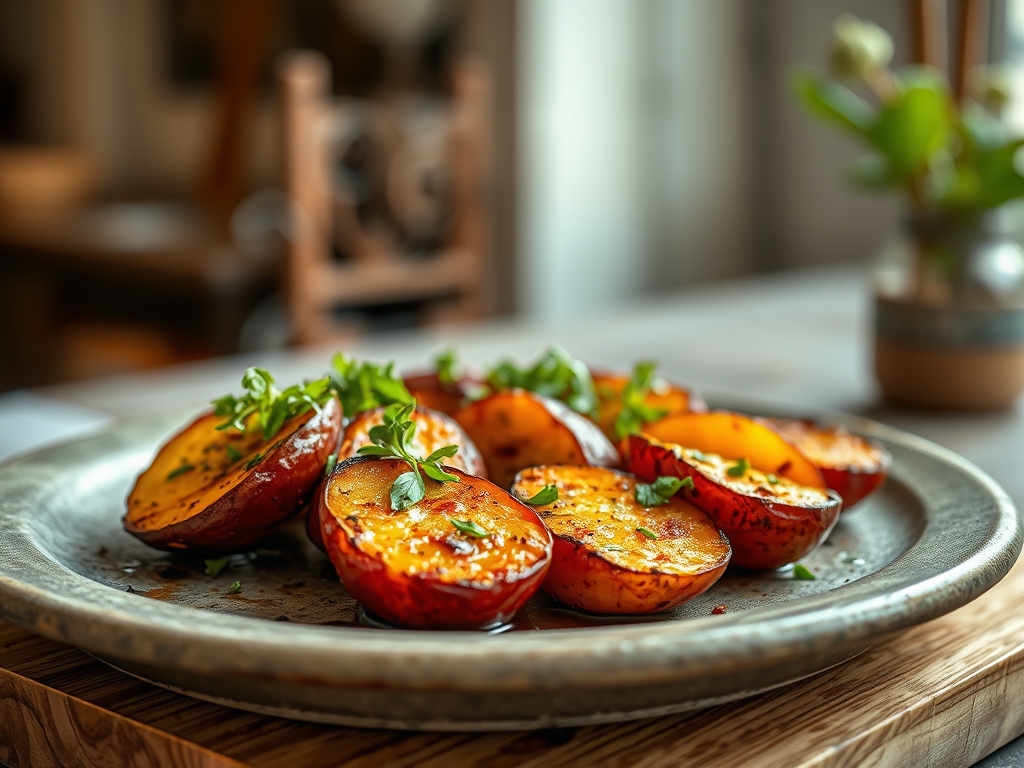
Picture the scene: the sun is dipping below the horizon; the air smells of charcoal and pine; and you are standing over a shimmering grate with a pair of professional offset tongs. While everyone else is fussing over burgers, you are mastering the art of red potato recipes on the grill. There is something fundamentally satisfying about the way a thin, waxy red skin blisters under intense heat while the interior transforms into a creamy, custard-like crumb. We are moving beyond the basic foil packet. We are talking about achieving that perfect Maillard reaction; that chemical dance where amino acids and reducing sugars create a savory crust that no oven can replicate. Whether you are aiming for a piquant vinegar-based char or a buttery herb infusion, these small tubers are the secret weapon of your summer repertoire. They hold their shape better than starchy Russets, making them the ideal candidate for high-heat manipulation and bold, seasonal dressings.
The Gathers:
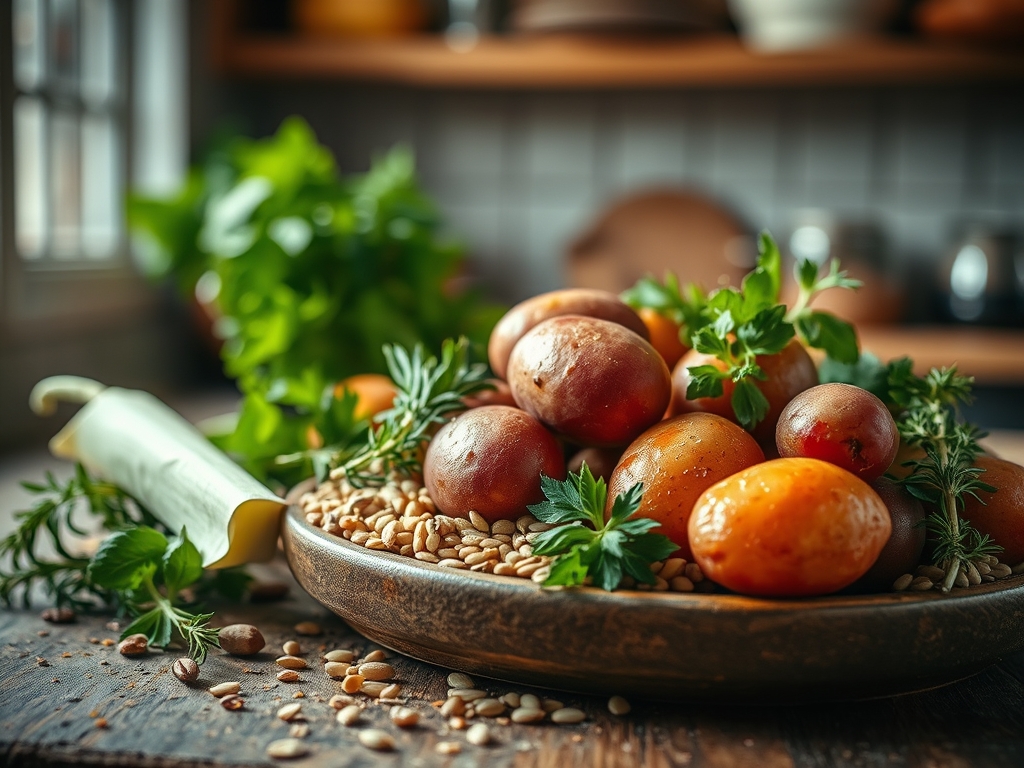
To execute these red potato recipes on the grill with precision, your mise-en-place must be intentional. Start with three pounds of "B-size" red potatoes. These are prized for their high moisture content and low starch density. You will need a high-smoke-point lipid, such as avocado oil or clarified butter, to ensure the potatoes do not stick to the grates. Gather your aromatics: fresh rosemary sprigs, cloves of garlic for a slow infuse, and flaky Maldon sea salt for textural contrast.
For the "Smart Substitutions," if you find yourself without red tubers, Yukon Golds are your next best bet due to their medium starch profile. If you are avoiding dairy, a viscous, cold-pressed olive oil provides the same mouthfeel as butter without the risk of scorching milk solids. Use a microplane to zest lemon over the finished dish; the citric acid acts as a bright counterpoint to the earthy, smoky depth of the char. Finally, keep a bench scraper handy. It is the most underrated tool for transferring sliced potatoes from your cutting board to the grill tray without losing a single precious wedge.
The Clock:
Mastering the "Chef's Flow" is about managing thermal energy. Total preparation takes approximately 15 minutes of active knife work. The cooking duration varies between 20 and 35 minutes depending on your chosen method. I recommend a "par-boil" strategy for five minutes before hitting the grill. This gelatinizes the starch on the exterior, which later dehydrates into a shatter-crisp crust. By the time your protein is resting on the board, your potatoes are reaching their peak internal temperature of 210 degrees Fahrenheit. This synchronization ensures that everything hits the table at the exact moment the flavors are most volatile and fragrant.
The Masterclass:
1. The Precision Slice
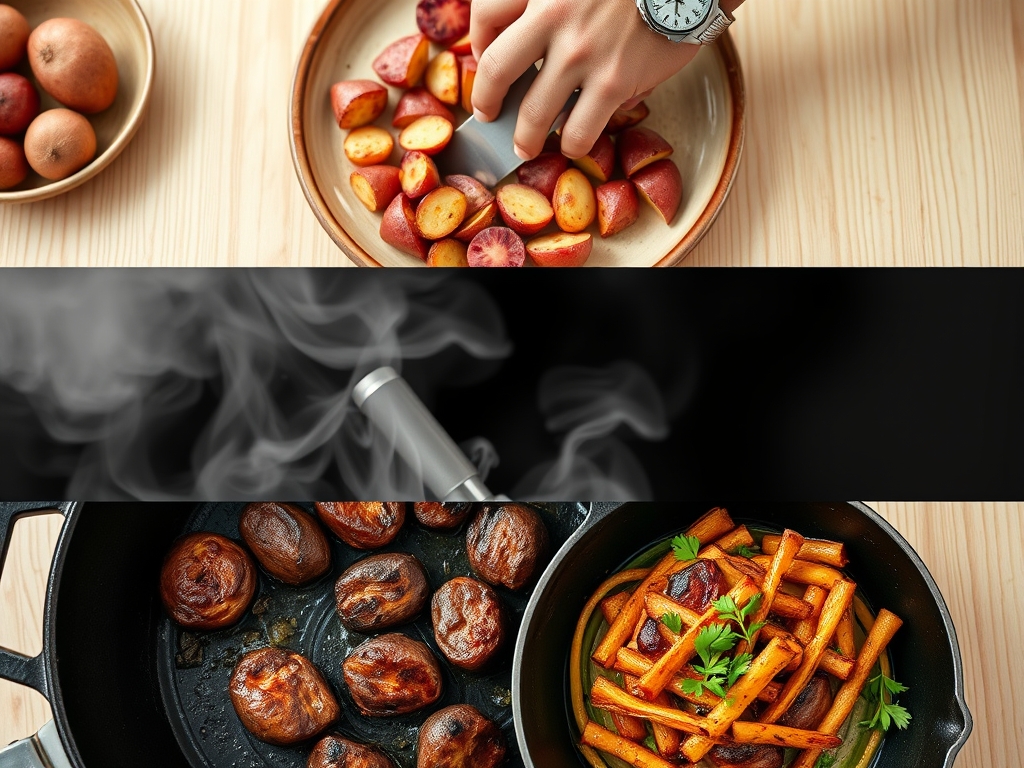
Using a sharp chef's knife, halve or quarter your potatoes into uniform wedges. Uniformity is not just for aesthetics; it ensures that every piece reaches the same level of thermal saturation at the same time. If pieces vary in size, the smaller ones will carbonize before the larger ones lose their raw crunch.
Pro Tip: This prevents enzymatic browning. By keeping your sliced potatoes in a bowl of cold, salted water until the moment they hit the heat, you wash away excess surface starch and prevent the oxygen from discoloring the flesh.
2. The Par-Boil Infusion
Place your potatoes in a saucier or heavy-bottomed pot with cold water and a heavy pinch of salt. Bring to a simmer, not a rolling boil. You want the edges to soften slightly but the core to remain firm. This step creates a "slurry" on the surface of the potato that will eventually fry in the grill oil.
Pro Tip: This utilizes the science of starch gelatinization. When starch granules are heated in water, they swell and burst, creating a sticky coating that traps fats and seasonings more effectively than a raw surface.
3. The Lipid Coating
Drain the potatoes and let them steam-dry for two minutes. This step is vital. Water is the enemy of the Maillard reaction. Once dry, toss them in a large stainless steel bowl with your oil and dry spices. Use your hands to ensure every crevice is coated in a thin, viscous layer of fat.
Pro Tip: Oil acts as a heat-transfer medium. Without a uniform coating, the hot air of the grill will merely dry the potato out rather than frying the skin into a crispy laminate.
4. Direct Heat Searing
Place the potatoes directly over the hot zone of the grill. Do not crowd the grate. You need airflow to move between the pieces to carry away moisture. Close the lid to create a convection effect, but stay close. You are looking for deep mahogany grill marks.
Pro Tip: This is the Maillard reaction in action. The heat causes a chemical reaction between the potato's natural sugars and proteins, creating hundreds of different flavor compounds that we perceive as "savory" or "toasty."
5. The Indirect Finish
Move the potatoes to the cooler side of the grill. This allows the internal temperature to rise through conduction without burning the exterior. This is where you add your fresh herbs or a splash of balsamic vinegar to deglaze the surface of the skins.
Pro Tip: This accounts for thermal carryover. Even after you remove the potatoes from the grill, the internal heat will continue to cook the center for several minutes. Pulling them at 205 degrees ensures they reach a perfect 210 on the plate.
6. The Aerated Toss
Transfer the hot potatoes back to a clean bowl. Add your fresh aromatics now. The residual heat will bloom the essential oils in your herbs without incinerating them. Use a large spoon to aerate the mixture, ensuring the dressing coats every side.
Pro Tip: Volatile organic compounds in herbs like parsley and chives are heat-sensitive. Adding them at the very end preserves their bright, "green" flavor profile and prevents them from turning bitter.
7. The Final Seasoning
Taste one potato. Adjust the salt levels while the fat is still liquid. Salt dissolves better in fat and warm moisture than it does on a cold surface. A final hit of black pepper from a high-quality mill provides a piquant finish that cuts through the richness.
Pro Tip: This is about osmotic balance. Adding salt at the end draws a tiny amount of moisture to the surface, which highlights the contrast between the crunchy skin and the fluffy interior.
The Deep Dive:
When we look at the macro profile, red potatoes are a nutritional powerhouse for summer. They are naturally gluten-free and packed with potassium, which is essential for hydration during heatwaves. A standard serving provides roughly 150 calories with zero fat until you add your cooking oil. For a vegan twist, use nutritional yeast to add a "cheesy" umami flavor. For those on a keto-adjacent path, keep the portions small and focus on the high-fiber skin.
If things go wrong, do not panic. If your potatoes are sticking, your grill grates were likely not hot enough or lacked a "seasoned" oil coating. Use a metal spatula to firmly but gently scrape them loose. If they are charred outside but raw inside, your heat was too high; next time, increase the par-boil time. If they feel "soggy," you likely crowded the pan or grill, trapping steam.
For meal prep, reheating is a science. Avoid the microwave, which turns the starch into a gummy mess. Instead, use a heavy-bottomed skillet over medium heat with a teaspoon of oil. This re-dehydrates the skin and restores that "day-one" crunch through secondary conduction.
The Wrap-Up:
There is a reason red potato recipes on the grill are a perennial favorite. They represent the intersection of simple ingredients and sophisticated technique. By understanding the chemistry of starch and the physics of fire, you turn a humble root vegetable into the star of the show. So, grab your digital scale, fire up the coals, and get ready to impress. Your summer table just got a serious upgrade.
The Kitchen Table:
Can I grill red potatoes without boiling them first?
Yes, but you must use indirect heat or a foil packet. Without par-boiling, the outside often burns before the interior softens. Par-boiling ensures a creamy center and a shatter-crisp exterior every single time.
What is the best oil for grilling potatoes?
Use oils with high smoke points like avocado, grapeseed, or clarified butter. Avoid extra virgin olive oil for high-heat searing, as it can break down and become bitter at temperatures exceeding 375 degrees Fahrenheit.
How do I keep the potatoes from sticking to the grill?
Ensure your grates are scrubbed clean and preheated. Coat the potatoes thoroughly in oil before they touch the metal. A hot, lubricated surface creates a steam barrier that prevents the potato starches from bonding to the grate.
How long do leftover grilled potatoes stay fresh?
Store them in an airtight container in the refrigerator for up to four days. To maintain texture, reheat them in an air fryer or a hot skillet rather than a microwave to preserve the crispy skin.