
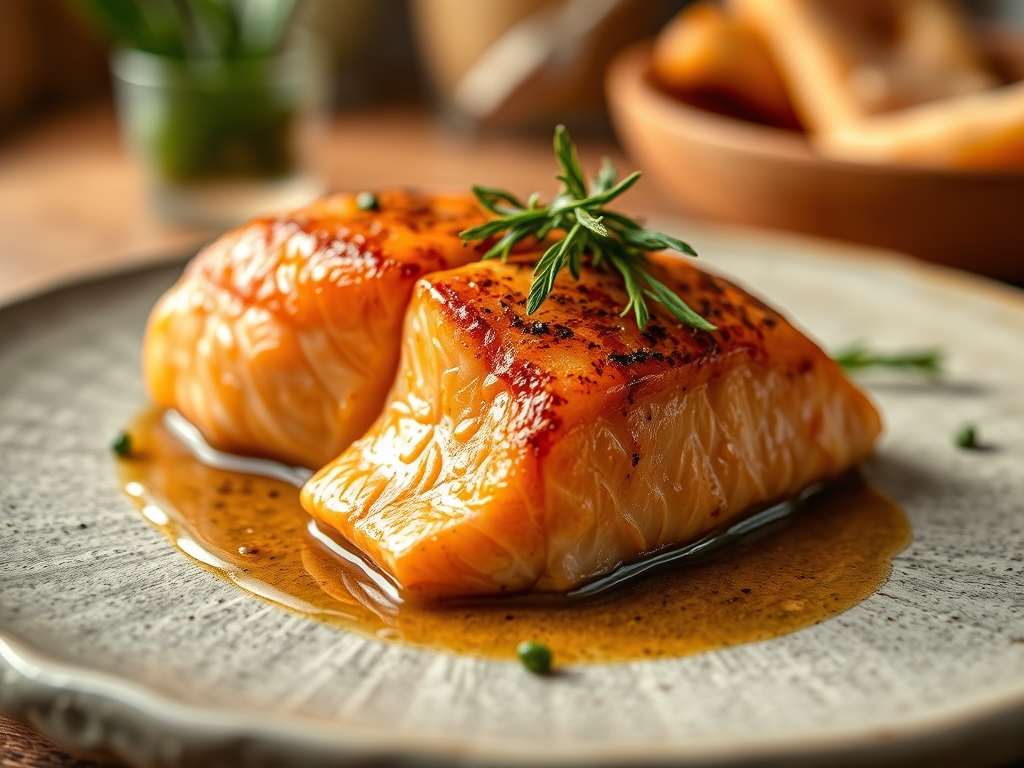
Imagine the hiss of cold protein meeting a hot sheet pan; it is a sound that signals the end of the long day and the start of a truly effortless meal. We have all been there, staring at a rock-solid fillet at 6:00 PM and wondering if we are destined for takeout. But the secret to the best frozen salmon recipes is not found in the defrost cycle; it is found in the physics of the oven. When you master the transition from ice crystals to buttery flakes, you unlock a culinary superpower that saves time without sacrificing a single ounce of elegance. We are moving beyond the soggy, grey fish of the past. By leveraging high heat and specific moisture barriers, we can achieve a crust that rivals any fresh catch from the harbor. This is about more than just dinner; it is about reclaiming your evening with a technique that feels like a magic trick. Let us transform those icy blocks into a centerpiece that is vibrant, succulent, and perfectly seasoned.
The Gathers:
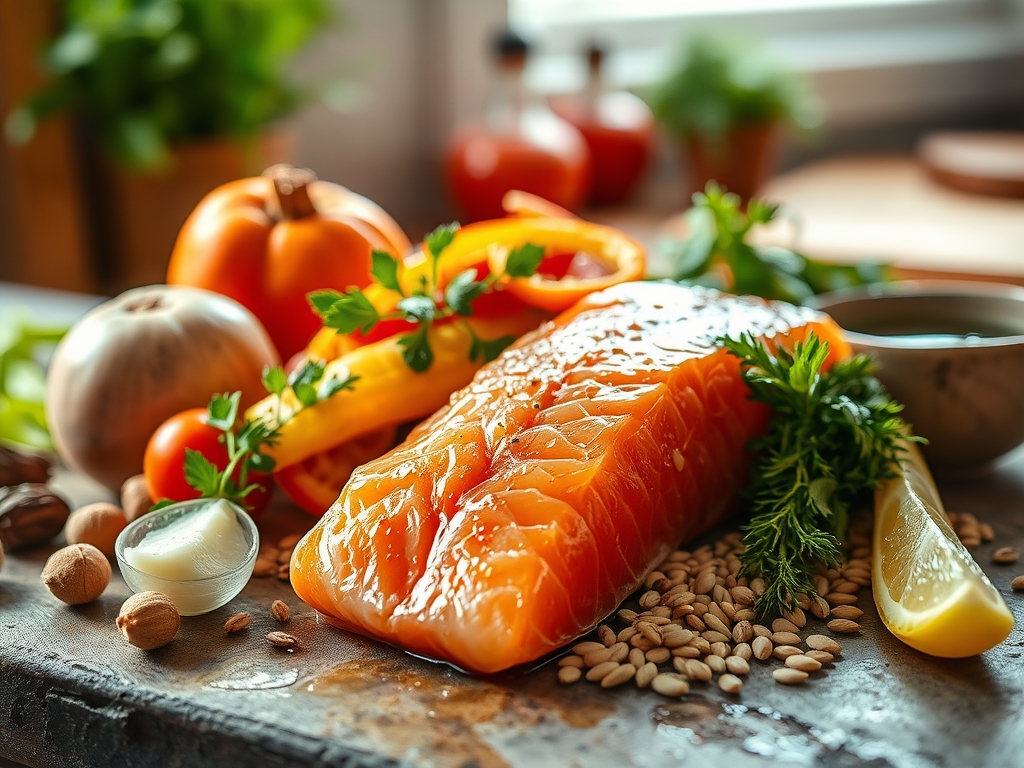
To execute this flawlessly, your mise-en-place must be precise. Start with high-quality frozen sockeye or Atlantic salmon fillets; look for vacuum-sealed portions to avoid freezer burn, which is essentially cellular dehydration. You will need a heavy-bottomed baking sheet to ensure even heat distribution and prevent the metal from warping under high temperatures. For the flavor profile, gather extra virgin olive oil for its viscous mouthfeel and high-quality sea salt to trigger osmosis, drawing out just enough surface moisture to facilitate browning.
Freshness is non-negotiable for the aromatics. Use a microplane to zest a lemon, releasing the essential oils trapped in the flavedo. You will also need two cloves of garlic, finely minced to a paste-like consistency to ensure they infuse the oil without burning. If you want a piquant kick, a pinch of red pepper flakes or a teaspoon of Dijon mustard will act as an emulsifier, helping the marinade cling to the frozen surface.
Smart Substitutions:
If you are out of lemons, a splash of rice vinegar provides the necessary acidity to cut through the fatty acids of the fish. For a deeper umami profile, swap the salt for a teaspoon of white miso paste. If you prefer a woodsy aroma, fresh thyme or rosemary sprigs placed directly under the fillet will aerate the scent throughout the oven as the fat begins to render.
The Clock
Efficiency is the hallmark of the "Chef's Flow." Total active preparation time is a mere five minutes, while the oven does the heavy lifting for fifteen to twenty minutes. The beauty of cooking from frozen is the elimination of the two-hour "slack time" usually required for thawing. You should spend the first three minutes whisking your glaze in a small saucier or bowl. The remaining two minutes are for prepping your roasting rack. While the salmon roasts, you have a clear twenty-minute window to steam greens or boil grains, ensuring everything hits the table in a synchronized symphony of temperature and texture.
The Masterclass
1. The Thermal Shock Pre-Heat
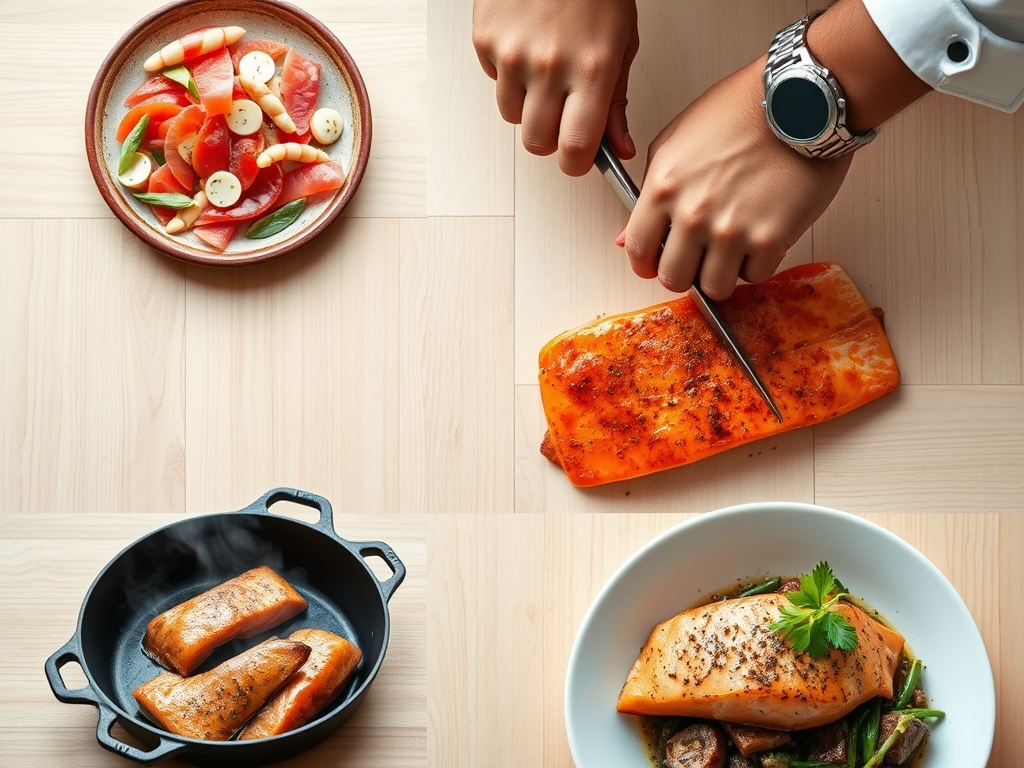
Set your oven to 425 degrees Fahrenheit and place your empty baking sheet inside. This creates a searing surface that immediately begins to conduct heat into the bottom of the fillet.
Pro Tip: This technique utilizes the Leidenfrost effect to an extent; the immediate steam release prevents the fish from sticking to the metal while initiating the Maillard reaction on the skin side for a crisper finish.
2. The Moisture Barrier Rinse
Run your frozen fillets under cold water for thirty seconds to remove any surface ice crystals. Pat them bone-dry with a lint-free kitchen towel.
Pro Tip: Removing surface ice prevents "steaming" rather than "roasting." If excess water remains, the oven energy is wasted on evaporating liquid rather than browning the proteins through enzymatic browning.
3. The Emulsion Coating
Whisk your oil, aromatics, and salt until the mixture is thick and opaque. Brush this generously over the frozen flesh.
Pro Tip: Because the fish is cold, the oil will solidify slightly, creating a thick protective layer. This layer acts as an insulator, ensuring the exterior does not overcook before the center reaches the ideal temperature.
4. The High-Heat Roast
Place the fillets on the pre-heated tray using tongs to avoid splashing hot oil. Position them in the upper third of the oven.
Pro Tip: Heat rises, and the top of the oven provides intense radiant heat. This mimics a broiler effect, caramelizing the natural sugars in the fish while the core remains tender.
5. The Internal Calibration
Use a digital scale or, more importantly, an instant-read thermometer to check the thickest part of the fish. Aim for 130 degrees Fahrenheit for medium-rare.
Pro Tip: Account for thermal carryover. The internal temperature will rise about five degrees after you remove it from the oven as the kinetic energy continues to distribute through the muscle fibers.
6. The Acidic Brightening
Immediately upon removal, squeeze fresh lemon juice over the hot fillets. The steam will help the citrus notes penetrate the top layer of the meat.
Pro Tip: Acid breaks down the heavy fats on the palate, making the fish taste "lighter." This is a chemical balance between the rich lipids and the sharp citric acid.
7. The Rest Period
Transfer the salmon to a warm plate using a bench scraper or wide spatula. Let it sit for three minutes before serving.
Pro Tip: Resting allows the cell walls to reabsorb the juices. If you cut in too early, the pressure differential will cause all that delicious moisture to spill out onto the plate.
The Deep Dive
Macro Nutrition:
Salmon is a nutritional powerhouse, rich in Omega-3 fatty acids (EPA and DHA) which are essential for brain health. A standard 6-ounce fillet provides roughly 34 grams of high-quality protein and zero carbohydrates, making it a staple for metabolic health.
Dietary Swaps:
For a Keto version, double the butter and omit any honey or sugar in the glaze. Vegan friends can apply this exact roasting technique to thick slabs of cauliflower or "tofu steaks." For a Gluten-Free crunch, use crushed pork rinds or almond flour as a crust instead of breadcrumbs.
The Fix-It:
- White Stuff Appearing: This is albumin, a protein that squeezes out when fish cooks too fast. Fix: Lower the temp by 25 degrees next time or pull the fish 2 minutes earlier.
- Soggy Bottoms: This happens due to overcrowding. Fix: Ensure at least two inches of space between fillets to allow air to circulate.
- Burnt Garlic: The bits were too large. Fix: Use a microplane to create a paste that dissolves into the oil.
Meal Prep:
To reheat without turning the fish into rubber, avoid the microwave. Use a low oven (275 degrees) with a splash of water and a foil cover to create a mini-steamer. This preserves the delicate protein structure.
The Wrap-Up
Mastering the best frozen salmon recipes is a total game-changer for your weekly routine. By understanding the science of heat transfer and the importance of moisture control, you turn a freezer staple into a gourmet experience. Put down the takeout menu and grab your tongs; you are more than capable of creating a restaurant-quality meal in less time than it takes for a delivery driver to find your house. Stay bold, stay hungry, and keep experimenting with those flavors!
The Kitchen Table
Can you cook salmon from frozen without thawing?
Yes, cooking salmon directly from frozen is safe and effective. It prevents the fish from becoming mushy, which often happens during improper thawing. High heat ensures the exterior browns while the interior stays moist and tender.
What is the best temperature to bake frozen salmon?
The ideal temperature is 425 degrees Fahrenheit. This high heat is necessary to evaporate surface moisture quickly and trigger the Maillard reaction, ensuring the fish roasts rather than steams in its own juices.
How do I know when frozen salmon is done?
The most reliable method is using an instant-read thermometer. Aim for an internal temperature of 130 to 135 degrees Fahrenheit. The flesh should also be opaque and flake easily when pressed with a fork.
How do I prevent salmon from sticking to the pan?
Pre-heating your baking sheet is the best defense. When the cold fish hits the hot, oiled surface, it creates an immediate sear that releases the proteins, allowing you to lift the fillet easily with a spatula.