
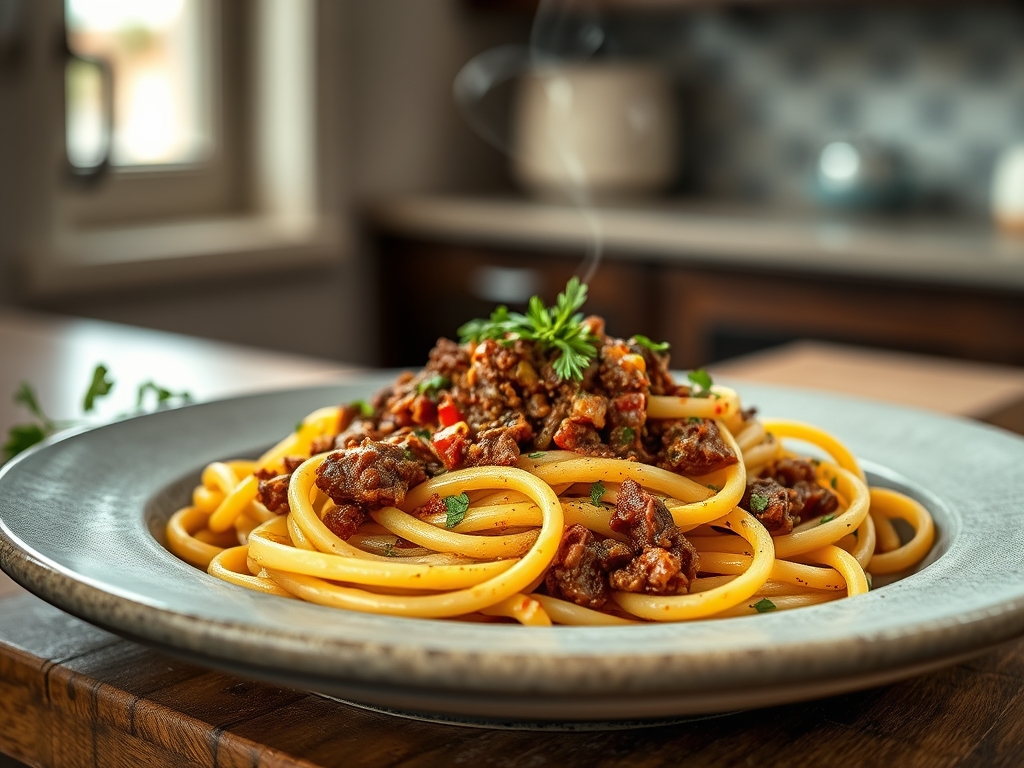
Steam rises in a fragrant, translucent veil from the heavy bottomed skillet; it carries the scent of toasted garlic and caramelizing protein. There is a primal comfort in the sizzle of fat hitting hot steel. When you explore pasta with mince beef recipes, you are engaging in a culinary ritual that balances rustic satisfaction with complex chemical transformations.
This is the ultimate weeknight alchemy. We are taking humble ground meat and transforming it into a luxurious, silk like sauce that clings to every ridge of your rigatoni. It is not just about feeding a crowd; it is about understanding how heat and acidity can turn a few basic pantry staples into a masterpiece of texture and depth. Whether you are craving a deep, four hour ragu or a snappy ten minute skillet toss, the fundamental principles of browning and emulsification remain the same. Grab your favorite wooden spoon and a glass of something bold. We are diving into the gritty, glorious details of how to master the art of the mince.
The Gathers:
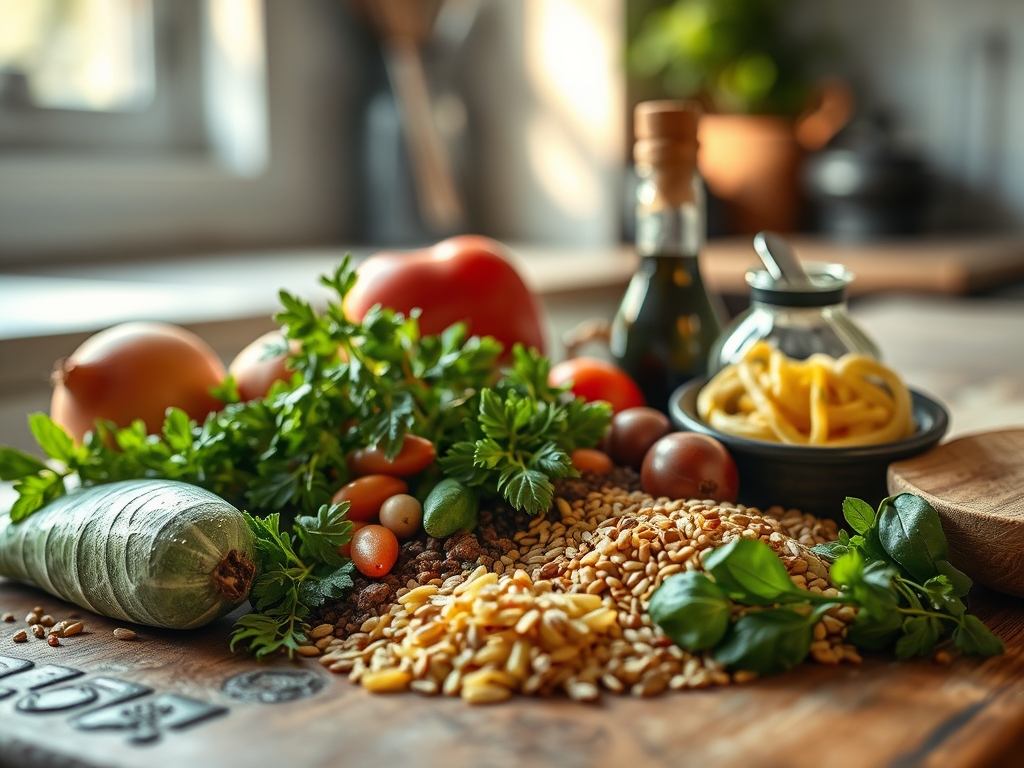
To achieve a professional grade result, your mise en place must be precise. Start with high quality ground beef, ideally an 80/20 blend. This fat ratio is critical because the intramuscular fat provides the lipids necessary to carry flavor compounds across your palate. You will need a digital scale to ensure your pasta to meat ratio remains balanced; usually, 500 grams of meat to 400 grams of dry pasta is the sweet spot for a hearty finish.
Your aromatic base should include finely diced yellow onions, carrots, and celery. In professional kitchens, we call this the mirepoix. Use a sharp chef knife to ensure uniform pieces so they soften at the same rate. You will also need high quality canned San Marzano tomatoes, which offer a low pH and high sugar content for natural sweetness. Do not forget the "liquid gold" otherwise known as heavy cream or whole milk; it adds a viscous mouthfeel that cuts through the acidity of the tomatoes.
Smart Substitutions:
If you want to lighten the profile, swap half the beef for finely chopped cremini mushrooms. Mushrooms contain high levels of glutamates, which mimic the savory "umami" profile of beef while reducing the overall caloric density. For a dairy free alternative, use a splash of starchy pasta water and a teaspoon of nutritional yeast to create a creamy emulsion without the lactose.
The Clock
Efficiency in the kitchen is about "Chef's Flow." This is the sequence of tasks that minimizes downtime. Total prep time should take no more than 15 minutes if your knife skills are sharp. The cooking phase varies based on the specific recipe, but generally, you are looking at a 30 to 45 minute investment.
The flow begins with the Maillard reaction. You brown the meat first, then remove it to sauté the aromatics in the rendered fat. While the sauce simmers and the flavors infuse, you bring your pasta water to a rolling boil. By the time the pasta reaches a perfect al dente state, your sauce has reduced to the ideal consistency. This synchronized timing ensures that the pasta never sits and becomes gummy while waiting for the protein.
The Masterclass
1. The High Heat Sear
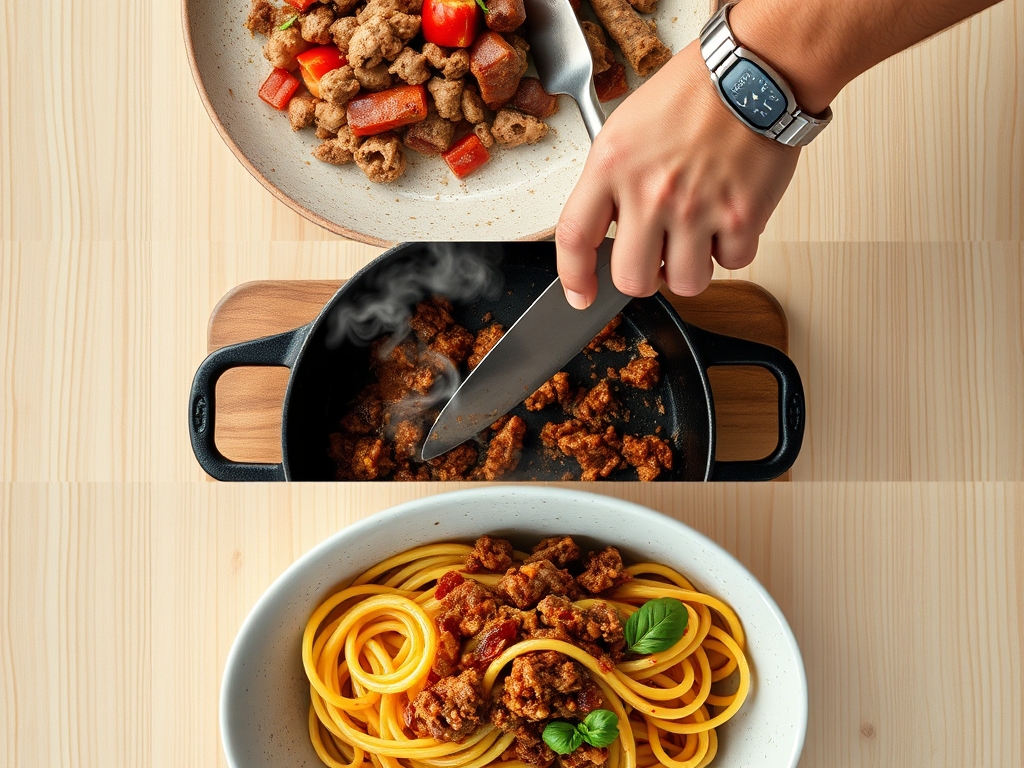
Place your heavy bottomed skillet over medium high heat until it wisps with smoke. Add the beef in a single layer and resist the urge to stir.
Pro Tip: This patience facilitates Maillard browning, a chemical reaction between amino acids and reducing sugars that creates hundreds of different flavor compounds. If you stir too early, the meat will steam in its own moisture rather than sear.
2. Deglazing the Fond
Once the meat is browned and removed, you will notice brown bits stuck to the pan. This is called the fond. Add a splash of dry red wine or beef stock and use a bench scraper or wooden spoon to lift these bits.
Pro Tip: Deglazing is a thermodynamic process that captures concentrated flavor. The alcohol in wine also acts as a solvent, releasing flavor molecules that are not water soluble.
3. The Low and Slow Simmer
Return the beef to the pan with your tomato base and aromatics. Lower the heat to a bare whisper of a bubble.
Pro Tip: A slow simmer allows for collagen breakdown. Even in ground beef, there are connective tissues that require time and gentle heat to transform into gelatin, which gives the sauce its silky, body coating texture.
4. The Emulsion Finish
Transfer the pasta directly from the water into the sauce using tongs. Add a splash of the starchy pasta water and a knob of cold butter.
Pro Tip: This is the mantecatura phase. The starch in the water acts as an emulsifier, binding the fats from the meat and butter with the liquids to create a glossy, unified sauce that won't break on the plate.
The Deep Dive
Macro Nutrition: A standard serving of pasta with mince beef provides roughly 25 to 30 grams of protein, essential for muscle repair. The complex carbohydrates from the pasta provide sustained glucose release, though you can increase the fiber count significantly by opting for whole grain varieties.
Dietary Swaps:
- Vegan: Use a soy based crumble or "bleeding" plant beef. Ensure you add a drop of liquid smoke to replicate the depth of animal fat.
- Keto: Replace traditional pasta with spiralized zucchini or shirataki noodles. These have negligible carbs and serve as a vessel for the high fat sauce.
- GF: Use brown rice or corn based pasta. Be careful not to overcook these, as they lack the gluten structure and can disintegrate quickly.
The Fix-It:
- Sauce is too thin: Use a saucier to increase surface area and evaporate moisture faster, or add a teaspoon of tomato paste to act as a thickener.
- Meat is "grey" and bland: You likely overcrowded the pan. Next time, sear in batches to ensure the temperature of the skillet stays high.
- Pasta is mushy: You missed the thermal carryover. Always pull the pasta 2 minutes before the box instructions say; it will finish cooking in the hot sauce.
Meal Prep Science: To reheat, avoid the microwave if possible. Use a small saucepan with a tablespoon of water. This creates steam that rehydrates the starches without making the fats "split" and become oily.
The Wrap-Up
Mastering pasta with mince beef recipes is like learning the secret language of the kitchen. It is a balance of high heat aggression and low heat patience. Once you understand how to harness the power of the fond and the magic of starchy pasta water, you are no longer just following a recipe; you are engineering a sensory experience. Go forth, use your microplane to shower that dish in parmesan, and enjoy the fruits of your scientific labor!
The Kitchen Table
How do I make my mince beef pasta more flavorful?
Always brown the meat deeply to trigger the Maillard reaction. Deglaze the pan with wine or stock to incorporate the "fond" into your sauce. Finally, use plenty of fresh herbs like basil or oregano at the very end to preserve their volatile oils.
Can I cook the pasta directly in the meat sauce?
Yes, this is called the "one pot" method. You will need extra liquid, usually broth or water, as the pasta absorbs moisture to hydrate. This method creates an incredibly starchy, thick sauce because none of the pasta water is discarded.
What is the best beef to fat ratio for pasta sauce?
An 80/20 or 85/15 ratio is ideal. The fat provides essential flavor and creates a better emulsion with the tomato acidity. If you use extra lean beef, the texture can become grainy and the sauce may feel "thin" on the palate.
How long does beef pasta sauce last in the fridge?
Stored in an airtight container, it stays fresh for 3 to 4 days. In fact, the flavor often improves on day two because the aromatic compounds have more time to penetrate the meat fibers and the starches thicken further.