
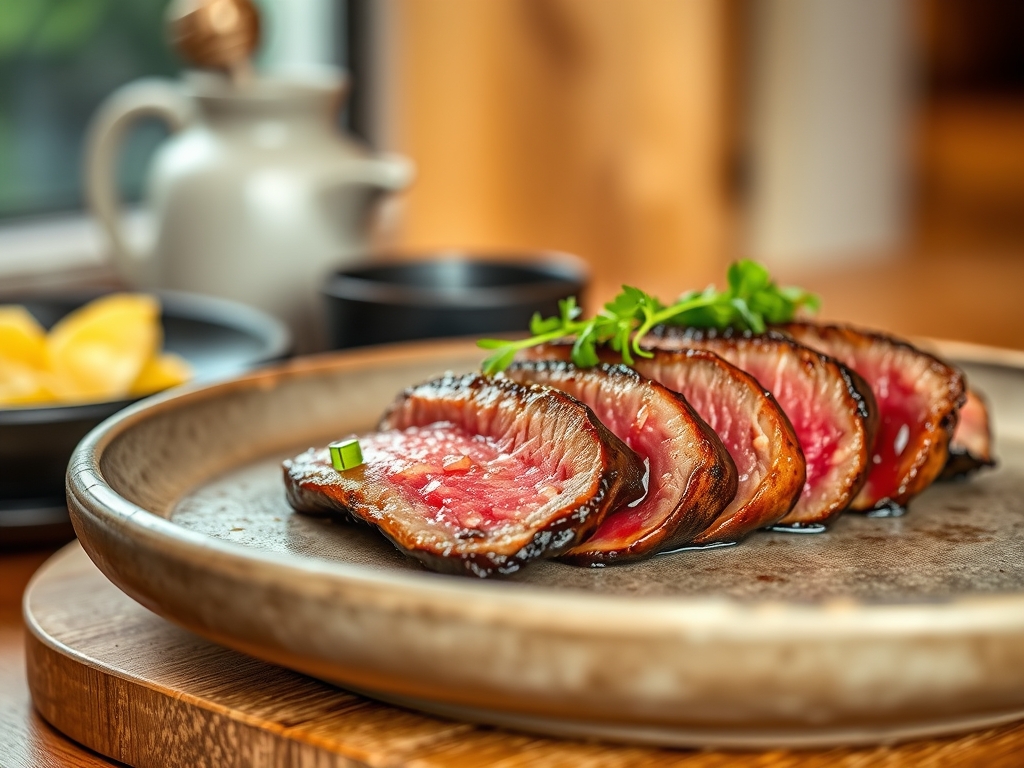
Imagine a slab of marble so delicate it begins to weep at room temperature. That is the magic of Japanese Wagyu. When you are hunting for the ultimate japanese wagyu beef recipes, you are not just looking for a meal; you are looking for a chemical transformation. The fat in Wagyu, specifically the intramuscular marbling known as shimofuri, has a melting point lower than human body temperature. This means the second it hits your tongue, it dissolves into a viscous, buttery silk. We are going to treat this protein like the culinary royalty it is. Forget everything you know about searing a standard supermarket ribeye. We are entering the world of high-density oleic acid and precision thermal management. This is about honoring the lineage of the Kuroge Washu cattle through science and soul. We will navigate the delicate balance of heat and timing to ensure that every gram of that expensive fat is rendered to perfection rather than lost to the flames. Grab your heavy-bottomed skillet and let us dive into the most luxurious kitchen session of your life.
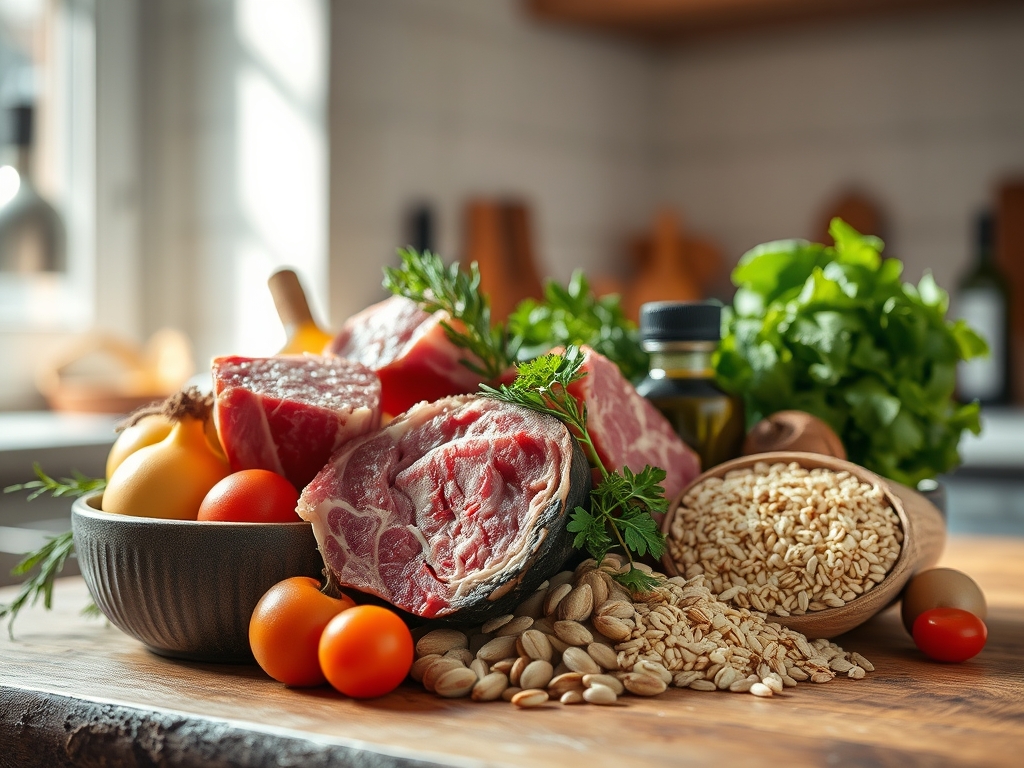
The Gathers:
Before we ignite the burner, we must assemble our mise-en-place with surgical precision. The star of the show is a Japanese Wagyu A5 strip or ribeye, ideally cut to a thickness of one inch. You will need high-quality flake sea salt, such as Maldon, which provides a structural crunch to contrast the soft protein. Freshly cracked black pepper is essential, but we will apply it post-sear to prevent the piperine from scorching and becoming bitter. For aromatics, gather three cloves of garlic, smashed to release their essential oils, and a sprig of fresh thyme to infuse the rendered fat.
Smart Substitutions: If you cannot source A5 Wagyu, look for Australian Wagyu with a marbling score of 9 plus. While the flavor profile differs due to grass-finishing, the fat content remains high. For a vegan alternative that mimics the rich mouthfeel, consider king oyster mushroom scallops seared in a neutral oil with a drop of truffle essence to replicate the earthy, umami-dense profile of premium beef. Always use a digital scale to measure your salt; the golden ratio is approximately 1.5 percent of the meat's total weight for optimal flavor enhancement.
The Clock
Efficiency is the hallmark of a professional kitchen. The "Chef's Flow" for Wagyu is surprisingly fast because the fat renders so quickly. Expect a total active prep time of 15 minutes, which includes tempering the meat. The actual cook time is a mere 4 to 6 minutes. However, the most critical phase is the 10-minute rest period. During this time, the internal temperature will climb through thermal carryover, allowing the muscle fibers to relax and reabsorb the liquefied fats. Total time from fridge to table is roughly 30 minutes. Do not rush the tempering; if the core is too cold, the exterior will overcook before the fat reaches its melting point.
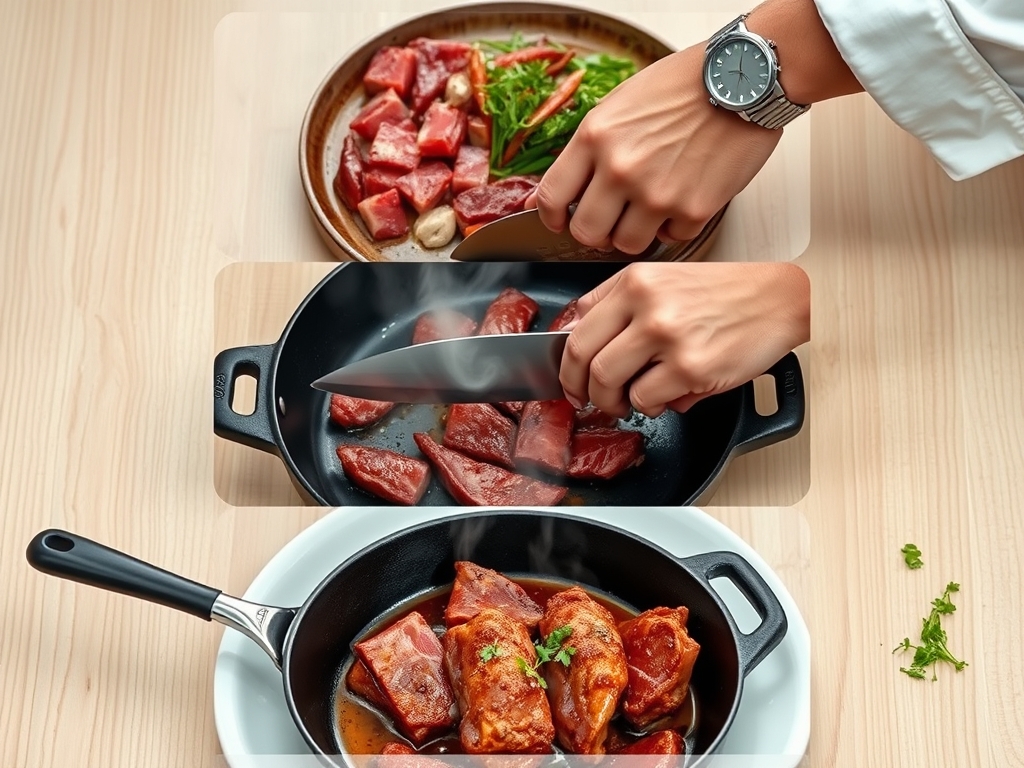
The Masterclass
1. Tempering and Surface Moisture
Remove the beef from its vacuum seal and pat it bone-dry with lint-free paper towels. Place it on a wire rack over a sheet pan for 20 minutes. Removing surface moisture is non-negotiable for achieving a uniform crust.
Pro Tip: This process facilitates the Maillard reaction, a chemical reaction between amino acids and reducing sugars that gives browned food its distinctive flavor. Moisture is the enemy of browning; any water on the surface must evaporate before the temperature can rise above 212 degrees Fahrenheit.
2. The Dry Sear Technique
Place your heavy-bottomed skillet, preferably cast iron or carbon steel, over medium-high heat. Do not add oil. Cut a small sliver of fat from the edge of the Wagyu and use your tongs to rub it across the hot surface.
Pro Tip: Wagyu is self-basting. Adding seed oils or butter too early can mask the clean, nutty flavor of the beef tallow. By using the beef's own fat to lubricate the pan, you ensure the flavor remains pure and concentrated.
3. Precision Thermal Contact
Lay the steak into the pan away from your body. Press down lightly with a weight or your tongs to ensure maximum surface contact. Sear for 2 minutes per side until a deep, mahogany crust forms.
Pro Tip: Use a digital thermometer to monitor the internal temperature. You are aiming for an internal pull temp of 120 degrees Fahrenheit for a perfect medium-rare. The high fat content acts as an insulator, meaning it holds heat longer than lean beef.
4. The Aromatic Infusion
During the final 60 seconds of cooking, add the smashed garlic and thyme to the pan. Use a spoon to baste the bubbling, rendered fat over the top of the steak. This is where we infuse the exterior with subtle herbal notes.
Pro Tip: This is a short-duration confit technique. The hot fat carries the fat-soluble compounds from the aromatics directly into the crust of the meat, deepening the umami profile without overpowering the beef.
5. The Rest and Slice
Transfer the steak to a warm plate or wooden cutting board. Let it rest for at least 8 minutes. Once rested, use a sharp Japanese steel knife to slice the beef into thin, half-inch strips against the grain.
Pro Tip: Resting allows for reabsorption of juices. If you slice too early, the liquefied marbling will spill onto the board, leaving the meat dry. Slicing against the grain shortens the muscle fibers, making the texture even more tender.
The Deep Dive
Macro Nutrition: Japanese Wagyu is a powerhouse of monounsaturated fats. It contains high levels of conjugated linoleic acid (CLA) and Omega-3 fatty acids compared to standard beef. While calorie-dense, a small 4-ounce serving provides roughly 25g of protein and a significant dose of Vitamin B12 and Zinc.
Dietary Swaps: For those on a Keto protocol, Wagyu is the gold standard due to its high fat-to-protein ratio. If you are Gluten-Free, ensure your finishing salts and any side sauces like ponzu use tamari instead of traditional soy sauce.
The Fix-It:
- The Gray Band: If you see a thick gray ring under the crust, your heat was too low. Use a higher initial temperature to sear faster.
- Flare-ups: Excessive smoke means the fat is reaching its smoke point. Reduce the heat slightly and move the pan off the burner for 30 seconds to stabilize.
- Chewy Texture: This usually happens if the steak was sliced with the grain. Always identify the direction of the muscle fibers and cut perpendicular to them.
Meal Prep & Reheating: Wagyu is best enjoyed immediately, but if you have leftovers, do not use a microwave. The high-frequency waves will turn the delicate fat into a puddle. Instead, use a saucier to gently warm a small amount of beef broth, then submerge the slices for 30 seconds. This "flash-warm" method preserves the texture without overcooking the core.
The Wrap-Up
Mastering japanese wagyu beef recipes is about restraint and respect for the ingredient. You have learned how to harness the power of the Maillard reaction, the importance of thermal carryover, and why the beef's own tallow is the only cooking medium you truly need. This is culinary art backed by molecular science. Now, pour yourself a glass of bold red wine or a crisp sake, and enjoy the fruits of your precision. You didn't just cook a steak; you engineered an experience.
The Kitchen Table
How do I know if my Wagyu is authentic?
Check for the BMS (Beef Marbling Score) and the official 10-digit identification number. Authentic Japanese Wagyu comes with a certificate showing the animal's lineage and a "Certificate of Authenticity" featuring a 3D hologram from the Japanese government.
What is the best pan for cooking Wagyu?
A heavy-bottomed cast iron skillet or a carbon steel pan is ideal. These materials have high heat retention, which prevents the pan temperature from dropping when the cold meat hits the surface, ensuring a superior, even crust.
Should I use butter to baste Wagyu?
Avoid butter during the main sear. Wagyu has a distinct, sweet aroma that butter can mask. If you must use it, add a small amount of unsalted butter only during the final 30 seconds of resting for a glossy finish.
Why is my Wagyu steak smoking so much?
Wagyu fat has a lower melting point and a lower smoke point than traditional beef tallow. If the pan is too hot, the fat will burn. Maintain a medium-high heat and ensure your kitchen is well-ventilated during the process.