
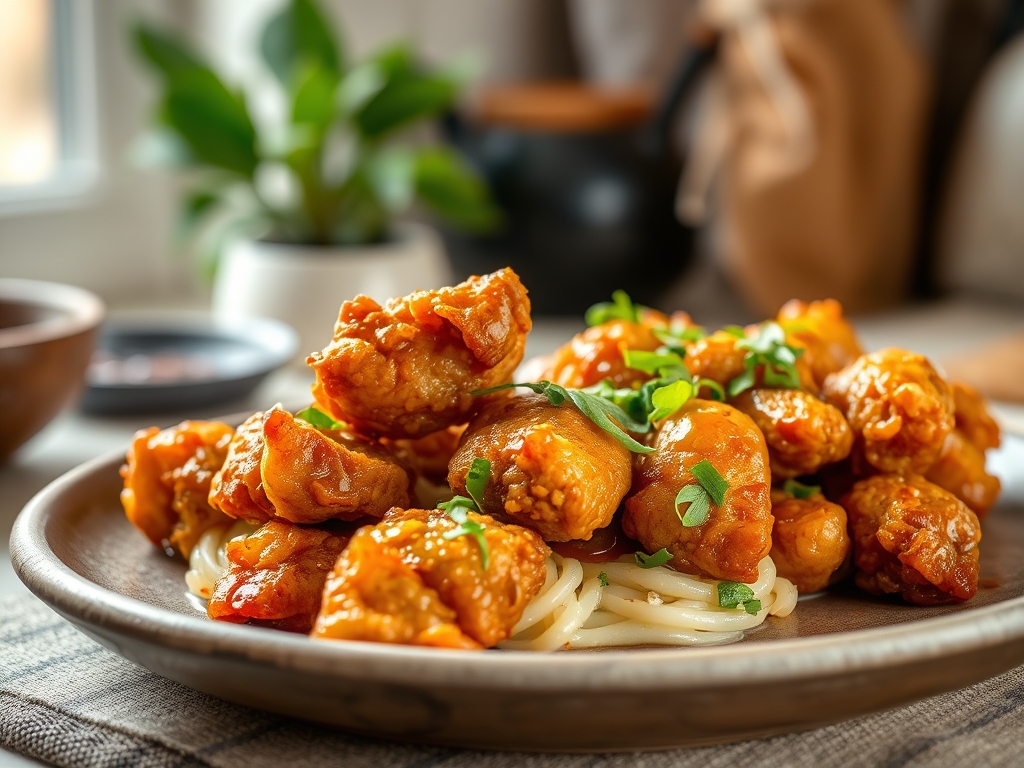
Close your eyes and listen for that distinct, glass-shattering crunch that defines the very best chinese fried chicken recipes. It is not just about the salt; it is about the symphony of five-spice, the subtle heat of white pepper, and a crust so light it practically floats. We are chasing that elusive, airy shatter that separates street-food legends from soggy home attempts.
The secret to mastering chinese fried chicken recipes lies in the intersection of ancient technique and modern food science. We are not just tossing poultry in flour and hoping for the best. We are manipulating proteins and starches to create a moisture barrier that locks in juices while the exterior undergoes a violent, beautiful transformation. Whether you are craving the numbing buzz of Szechuan peppercorns or the savory depth of fermented bean curd, the foundation remains the same. It is time to stop settling for mediocre takeout. Grab your apron and your heaviest skillet; we are about to turn your kitchen into the hottest spot in town.
The Gathers:
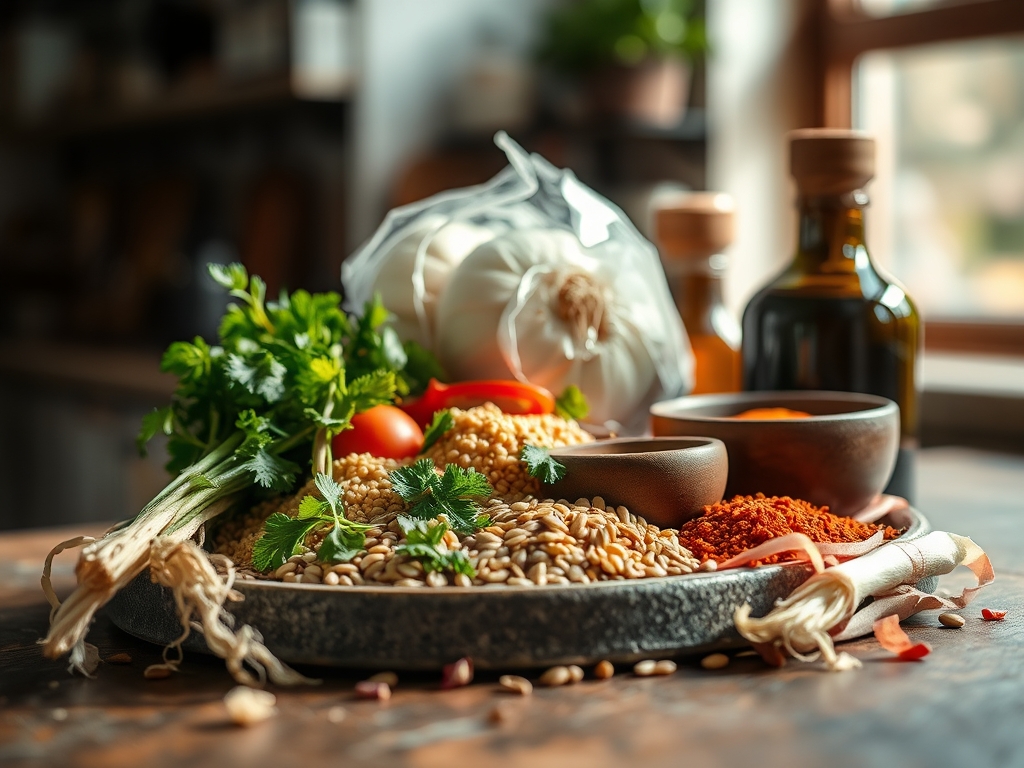
Precision is the soul of great cooking, so pull out your digital scale to ensure our ratios are perfect. For the protein, we prefer boneless, skin-on thighs. The skin is essential because it contains the subcutaneous fat that will render during the fry, providing an extra layer of flavor and structural integrity to the crust.
Your mise-en-place should look like a laboratory of flavor. We need Shaoxing rice wine for its viscous, acidic profile that tenderizes the meat. We need toasted sesame oil to infuse the fat with nuttiness, and a high-quality light soy sauce for that essential umami kick. For the dry mix, we are moving away from all-purpose flour. Instead, we use a blend of cornstarch and sweet rice flour (mochiko). This combination is the key to a piquant, non-greasy finish because these starches do not develop gluten, ensuring the coating stays crisp rather than chewy.
Smart Substitutions: If you cannot find Shaoxing wine, a dry pale sherry is a sophisticated stand-in. For a gluten-free version, ensure your soy sauce is replaced with tamari. If you want to increase the "shatter" factor, add a half-teaspoon of baking powder to your dry mix; this will aerate the batter by releasing carbon dioxide when it hits the hot oil.
The Clock: Chef's Flow
Efficiency in the kitchen is about managing the "dead time." Total prep time is approximately 20 minutes, but the Chef's Flow requires a mandatory 2-hour marination period. This is not a suggestion; it is the time required for the salt to penetrate the muscle fibers via osmosis.
The actual frying process is remarkably fast, taking about 6 to 8 minutes per batch. However, you must factor in the "recovery time" for your oil. When you drop cold chicken into a heavy-bottomed skillet, the temperature plummets. You need about 3 minutes between batches to let the oil return to its target heat. Total time from fridge to table? About 2.5 hours, with only 30 minutes of active labor.
The Masterclass:
1. The Acid-Alkaline Marinate
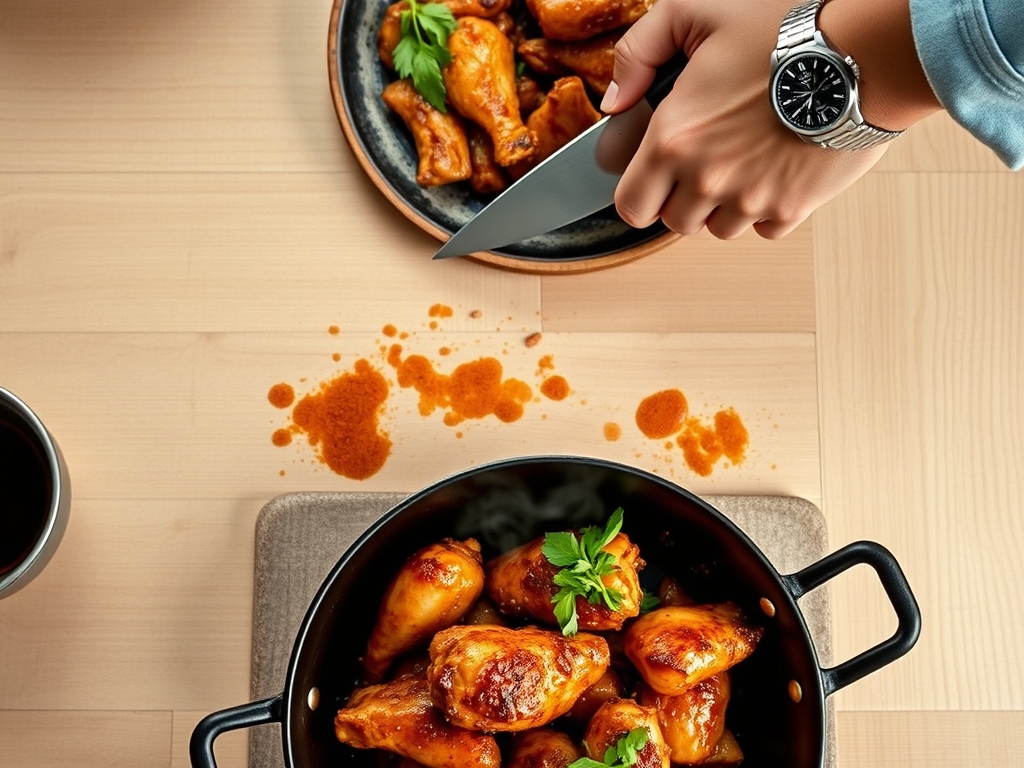
Start by slicing your chicken into uniform 2-inch pieces. In a large bowl, whisk together the soy sauce, Shaoxing wine, grated ginger (use a microplane for a fine paste), and a pinch of sugar. Massage this into the chicken vigorously.
Pro Tip: This stage utilizes enzymatic browning precursors. The sugars and amino acids in the marinade are essential for the Maillard reaction. By breaking down the surface proteins with the mild acidity of the wine, we create more surface area for the crust to grip.
2. The Starch Hydration
Instead of a dry dredge, we are going for a "wet-dry" hybrid. Sprinkle a tablespoon of the starch mix into the marinated chicken and stir until a thin, tacky film forms. Then, dredge each piece individually in the remaining dry starch.
Pro Tip: This technique prevents "sloughing," where the crust detaches from the meat. The initial wet layer acts as a biological glue, ensuring the final crust is an extension of the chicken itself rather than a separate shell.
3. The Temperature Spike
Fill your skillet with a high-smoke-point oil (like peanut or grapeseed). Use an infrared thermometer to hit exactly 350 degrees Fahrenheit. Carefully lower the chicken in using tongs, working in small batches to avoid overcrowding.
Pro Tip: This is where thermal carryover begins. We pull the chicken when it is 5 degrees below the target internal temperature of 165 degrees. The residual heat will finish the job without drying out the interior.
4. The Double Fry Technique
Once all pieces are fried once and drained on a wire rack, crank the heat to 375 degrees. Flash-fry the chicken a second time for just 60 seconds until it turns a deep, golden mahogany.
Pro Tip: The first fry cooks the meat and sets the structure. The second fry evaporates any remaining moisture in the crust, creating a microscopic "honeycomb" of air pockets that stay crispy for hours.
5. The Aromatics Infusion
In a separate saucier, heat a tablespoon of oil and toss in dried chilies, Sichuan peppercorns, and minced garlic. Once fragrant, toss the fried chicken in this flavored oil for 30 seconds.
Pro Tip: This is a dry-glaze technique. By coating the finished crust in a flavored lipid rather than a water-based sauce, you maintain the crunch while delivering maximum flavor.
6. The Final Rest
Transfer the chicken to a clean wire rack, not a paper towel. A paper towel traps steam, which will turn your hard-earned crunch into a soggy mess within minutes.
Pro Tip: Resting on a rack allows for 360-degree airflow. This prevents steam from condensing on the bottom of the chicken, preserving the integrity of the starch molecules.
The Deep Dive:
Macro Nutrition: A standard serving of this chicken provides approximately 35g of protein and 22g of fat. Because we use starches like cornstarch which absorb less oil than wheat flour, the caloric density is actually lower than traditional Western fried chicken.
Dietary Swaps: For a Vegan alternative, firm tofu or oyster mushrooms work beautifully with this exact starch coating. For Keto enthusiasts, replace the starch with a mix of almond flour and crushed pork rinds to maintain the crunch without the carbs.
The Fix-It:
- Soggy Crust: Your oil temperature was too low. Use a digital scale to ensure your pieces are uniform so they cook evenly.
- Burnt Exterior, Raw Interior: Your oil was too hot. Lower the flame and use the double-fry method to bridge the gap.
- Bland Flavor: You skipped the 2-hour marinade. Salt needs time to travel to the center of the protein.
Meal Prep: To reheat, avoid the microwave at all costs. Use an air fryer or oven at 400 degrees for 5 minutes. This re-activates the fats in the crust, essentially performing a "third fry" to restore day-one quality.
The Wrap-Up:
You are now armed with the technical prowess to dominate the world of chinese fried chicken recipes. Remember, cooking is as much about physics as it is about flavor. By respecting the oil temperature and understanding the chemistry of starches, you have moved beyond being a recipe-follower to becoming a kitchen scientist. Now, go forth, get that oil shimmering, and show your friends what a real crunch sounds like!
The Kitchen Table:
Why is my fried chicken coating falling off?
This usually happens because the chicken surface was too wet. Use the "wet-dry" hybrid method: mix a little starch into the marinade to create a tacky glue before the final dredge. This ensures the coating bonds permanently to the protein.
Can I use chicken breast instead of thighs?
You can, but breasts dry out significantly faster. If using breast meat, reduce the initial frying time by two minutes and ensure your marinade includes a splash of oil to help insulate the leaner muscle fibers from the high heat.
What is the best oil for frying Chinese chicken?
Peanut oil is the gold standard due to its high smoke point and neutral flavor profile. If you have allergies, grapeseed or canola oil are excellent alternatives that can withstand the 375-degree heat required for the second fry.
How do I get that numbing sensation in the spice?
That comes from Sichuan peppercorns. For the best effect, toast them in a dry pan until fragrant, then grind them fresh. The active compound, hydroxy-alpha-sanshool, creates a vibrating sensation on the tongue that balances the heat.