
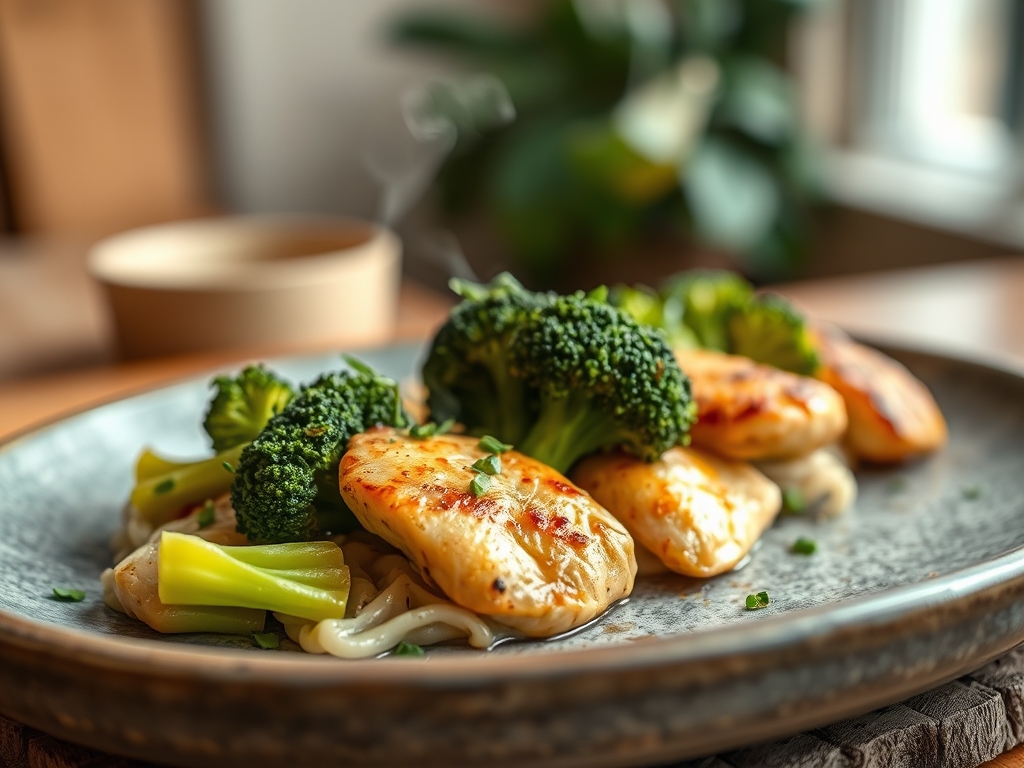
Picture this: a heavy-bottomed skillet sizzling on the stovetop while the piquant aroma of toasted garlic swirls through your kitchen. We are diving deep into the world of broccoli and chicken recipes today; those reliable, high-protein weeknight staples that deserve a serious culinary upgrade. Forget the bland, soggy florets of your childhood; we are aiming for crisp textures and deep umami.
The magic happens when you treat these two ingredients like the power couple they are. Chicken provides the neutral, savory canvas, while broccoli offers a structural crunch and a slight bitterness that cuts through rich sauces. By understanding the molecular chemistry of searing and steaming, you can transform these basic components into eight distinct, nutritious masterpieces. Whether you crave a silky ginger soy glaze or a sharp lemon parmesan crust, the foundation remains the same: high heat, precise timing, and a bit of kitchen swagger.
We are not just cooking dinner; we are mastering the art of the perfect sear and the science of the crunch. From the Maillard reaction on your poultry to the vibrant chlorophyll retention in your greens, every choice you make at the cutting board impacts the final bite. Let us grab our favorite chef's knife and get to work on these elevated broccoli and chicken recipes.
The Gathers:
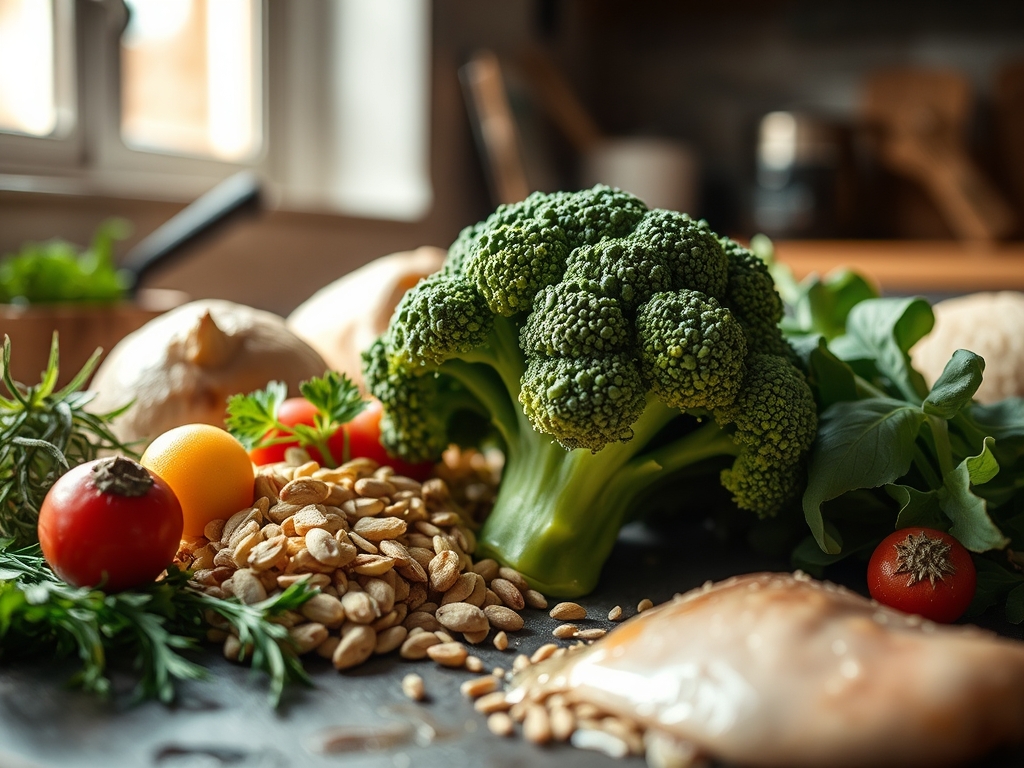
Before we ignite the burners, we must assemble our mise-en-place. For the ultimate broccoli and chicken recipes, start with high-quality proteins. I recommend organic chicken thighs for their higher fat content and flavor retention, though breasts work perfectly if you monitor the internal temperature. Your broccoli should be firm with tight, dark green florets; any yellowing indicates the sugars have begun to convert to starch, resulting in a dull flavor.
You will need a few essential aromatics: fresh ginger root, cloves of garlic, and perhaps a shallot for a softer, sweeter edge. For the liquids, keep a bottle of low-sodium tamari or soy sauce, toasted sesame oil, and a high-smoke-point oil like avocado or grapeseed. A microplane is your best friend here for grating ginger and garlic into a fine paste that infuses the oil without burning.
Smart Substitutions:
If you are avoiding soy, coconut aminos offer a similar viscous texture with a slightly sweeter profile. For those following a low-carb path, replace honey or brown sugar in glazes with a touch of monk fruit sweetener or simply omit it and rely on the natural sweetness of roasted red peppers. If your broccoli looks a bit sad, sub in broccolini or even shaved Brussels sprouts; both respond beautifully to the same high-heat techniques.
The Clock
Efficiency in the kitchen is all about the "Chef's Flow." For most of these broccoli and chicken recipes, you are looking at a total time of 30 to 40 minutes. Prep takes about 15 minutes; this includes slicing the chicken into uniform 1-inch cubes to ensure even cooking and breaking the broccoli into bite-sized florets.
The actual cooking time is remarkably fast, usually spanning 12 to 18 minutes. The flow should look like this: sear the protein first to develop a crust, remove it to prevent overcooking, then blast the vegetables in the residual rendered fat. By the time you deglaze the pan and toss everything back together, you have maximized flavor without sacrificing the integrity of the ingredients.
The Masterclass
1. The High-Heat Sear
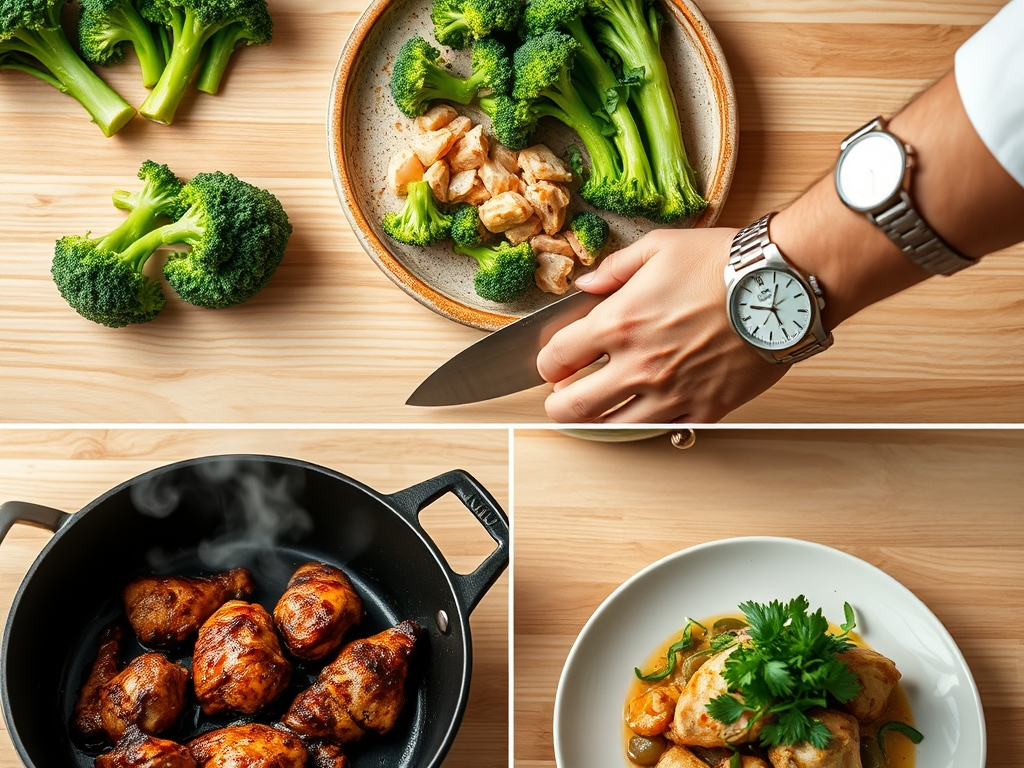
Pat your chicken bone-dry with paper towels before it hits the heavy-bottomed skillet. Moisture is the enemy of the Maillard reaction. Use a digital scale to ensure portion sizes are consistent, then drop the chicken into shimmering oil. Do not crowd the pan; if the pieces are too close, they will steam instead of sear.
Pro Tip: This stage relies on the Maillard reaction, a chemical reaction between amino acids and reducing sugars that creates that golden-brown crust. If you move the chicken too early, you tear the fibers; wait until it releases naturally from the pan.
2. The Aromatics Infusion
Once the chicken is browned and set aside, lower the heat slightly and add your ginger, garlic, and scallion whites. Use a silicone spatula to stir constantly. You want to infuse the oil with these volatile compounds without letting the garlic solids turn acrid and bitter.
Pro Tip: This is called "blooming" your spices and aromatics. Fat is a highly efficient carrier of flavor; by heating these ingredients in oil first, you ensure the piquant notes are distributed evenly throughout the entire dish.
3. The Broccoli Blasts
Add your broccoli florets to the pan along with a splash of water or stock. Immediately cover with a lid for 60 seconds. This creates a localized steam environment that softens the cellulose in the stalks while keeping the florets vibrant and crisp.
Pro Tip: This technique prevents enzymatic browning. The brief steam "blanches" the vegetable, deactivating the enzymes that cause discoloration, which ensures your broccoli stays a brilliant, photogenic green.
4. The Deglaze and Emulsify
Pour your sauce mixture (soy, vinegar, and a touch of starch) into the hot pan. Use a whisk or a wooden spoon to scrape up the fond; those brown bits stuck to the bottom are concentrated flavor gold. Bring the liquid to a simmer until it becomes glossy and viscous.
Pro Tip: Starch granules undergo gelatinization when heated in liquid, swelling to create a thick, velvety sauce. This emulsification process binds the fat and water-based liquids into a cohesive coating for your chicken.
5. The Final Integration
Toss the chicken back into the skillet along with any accumulated juices. Use tongs to coat every piece in the sauce. This final minute of cooking allows the flavors to marry and ensures the chicken reaches an internal temperature of 165 degrees Fahrenheit.
Pro Tip: Watch out for thermal carryover. The internal temperature of the chicken will continue to rise by 3 to 5 degrees after you remove it from the heat. Pulling it just before it hits the target prevents a dry, stringy texture.
The Deep Dive
When we look at the macro nutrition of these broccoli and chicken recipes, we see a near-perfect balance. A standard serving offers roughly 35 grams of protein and 8 grams of fiber with minimal net carbs. Broccoli is a cruciferous powerhouse, loaded with Vitamin C and K, while chicken provides essential B vitamins and selenium.
Dietary Swaps:
For a Keto version, swap the cornstarch thickener for a pinch of xanthan gum or simply reduce a heavy cream base. For Vegan guests, extra-firm pressed tofu or tempeh can be treated with the exact same searing technique. Gluten-free requirements are easily met by using certified tamari instead of standard soy sauce.
The Fix-It:
- Soggy Broccoli: You likely crowded the pan or used too much water. Fix it by removing the lid earlier and cranking the heat to evaporate excess moisture.
- Dry Chicken: You overshot the temperature. Next time, use a digital meat thermometer and pull the chicken at 160 degrees.
- Broken Sauce: If your sauce looks oily and separated, add a teaspoon of water and whisk vigorously over low heat to re-emulsify the fats.
Meal Prep:
To maintain "day-one" quality, store the sauce separately if possible. When reheating, use a damp paper towel over the bowl in the microwave to create steam, which prevents the chicken from turning rubbery. Alternatively, a quick flash in a hot wok for two minutes will revive the textures perfectly.
The Wrap-Up
Mastering these broccoli and chicken recipes is a total game-changer for your weekly routine. You now have the technical knowledge to sear like a pro, steam with precision, and create sauces that rival your favorite takeout spot. Remember, the secret lies in the prep and the heat management. Keep your skillet hot, your broccoli crisp, and your kitchen energy high. You have got this, chef!
The Kitchen Table
Why does my broccoli always turn mushy?
Mushy broccoli is usually the result of over-steaming or cooking at too low a temperature. To keep it crisp, use a high-heat "flash" steam for only 60 to 90 seconds, then immediately toss it in the sauce.
Can I use frozen broccoli for these recipes?
Yes, but do not thaw it first. Add frozen florets directly to a very hot pan to evaporate moisture quickly. Note that frozen broccoli will never be quite as crisp as fresh due to ice crystal cell damage.
How do I get a better sear on my chicken?
The key is removing surface moisture. Pat the chicken dry with paper towels and ensure the oil is shimmering (but not smoking) before adding the meat. Do not move the chicken until a golden crust has formed.
What is the best way to cut broccoli for stir-fry?
Cut the broccoli into small, uniform florets with about an inch of stem attached. Peeling the tough outer skin of the stems allows them to cook at the same rate as the delicate tops, ensuring even texture.