
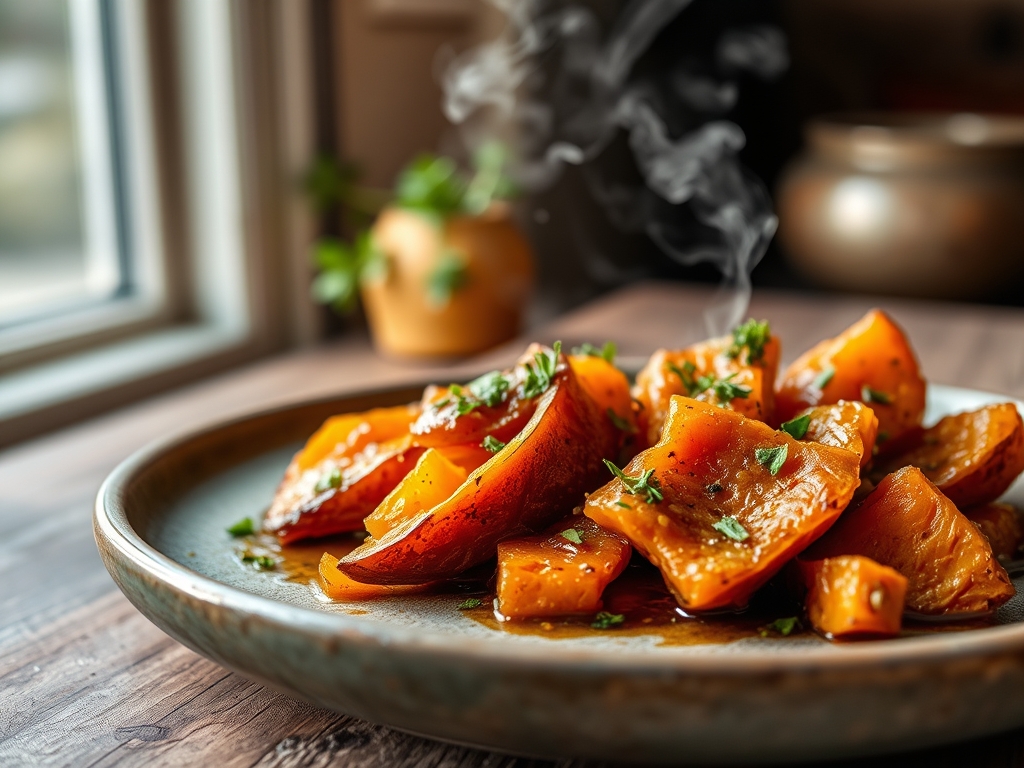
Picture this: a kitchen thick with the scent of caramelized sugar and warm nutmeg, where the steam rising from a heavy-bottomed pot feels like a physical embrace. When we talk about soul food sweet potato recipes, we are not just discussing side dishes; we are exploring a culinary legacy rooted in resilience and the transformative power of the Maillard reaction. These tubers are the crown jewels of comfort, turning humble starch into velvet gold. Whether they are glazed in a viscous syrup or whipped into a cloud-like pie, sweet potatoes provide a complex flavor profile that balances earthy sweetness with a subtle, vegetal depth. We are going to master the science of these six classics, ensuring every bite is a nostalgic masterpiece.
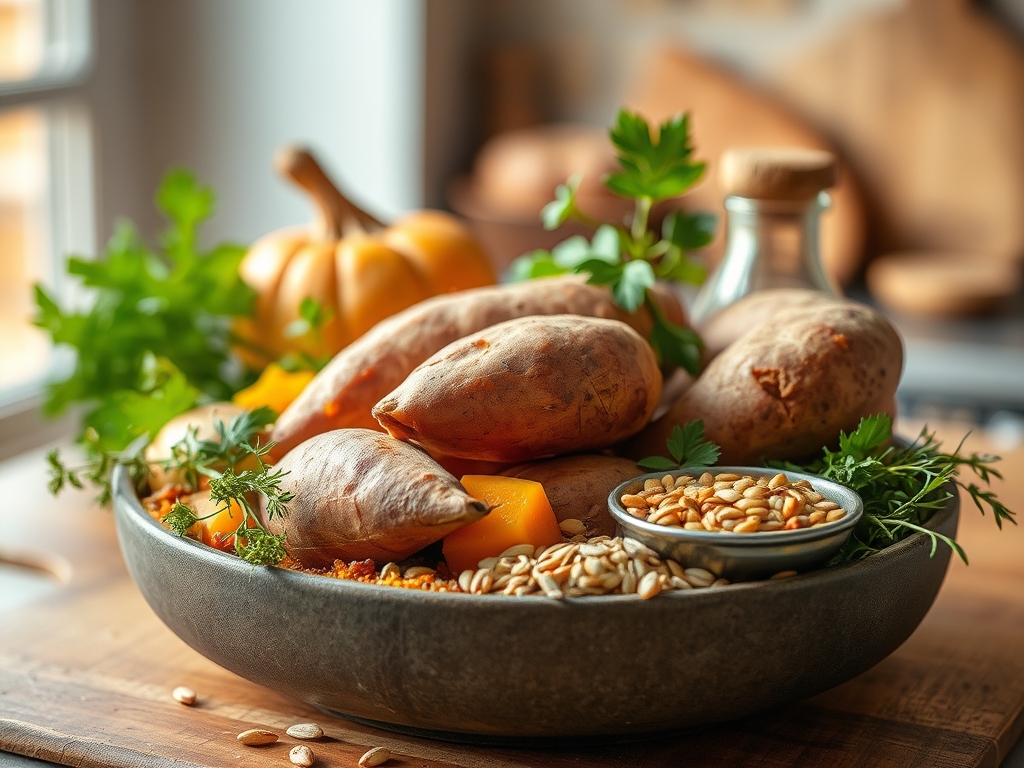
The Gathers:
To achieve professional results, your mise-en-place must be precise. Start with Beauregard or Jewel sweet potatoes; these varieties have a high moisture content and sugar density, which is essential for that signature mouthfeel. You will need high-fat European butter (at least 82 percent butterfat) to ensure a rich emulsion, along with dark brown sugar for its molasses-driven acidity.
Your toolkit is just as vital as your pantry. Reach for a digital scale to measure your tubers by weight rather than volume, as density varies wildly. A microplane is non-negotiable for grating fresh nutmeg and ginger to release volatile oils that pre-ground spices lack. You will also need a saucier for simmering glazes, as its rounded bottom prevents sugar crystals from scorching in the corners.
Smart Substitutions: If you are looking for a deeper, more savory profile, swap half the brown sugar for Grade A maple syrup. For those avoiding dairy, full-fat coconut milk provides the necessary lipids to maintain a viscous texture without sacrificing the creamy finish. If you find your potatoes are too fibrous, a quick pass through a fine-mesh sieve or a food mill will ensure a silky, professional-grade puree.
The Clock
Efficiency in the kitchen is about understanding "Chef's Flow." Total prep time for these soul food sweet potato recipes averages 30 minutes, while active cooking spans 60 to 90 minutes depending on the method.
The flow begins with the "Slow Burn." Always roast your potatoes whole in their skins first. This takes about 45 to 60 minutes but is crucial for enzymatic conversion, where starches break down into maltose. While the oven does the heavy lifting, you handle the "Active Infusion." This is when you render your butter and toast your spices in a small skillet to maximize their aromatic impact. By the time the potatoes are cool enough to handle, your flavor base is ready, and the final assembly takes mere minutes. This staggered approach prevents kitchen chaos and ensures your components are at the optimal temperature for emulsification.
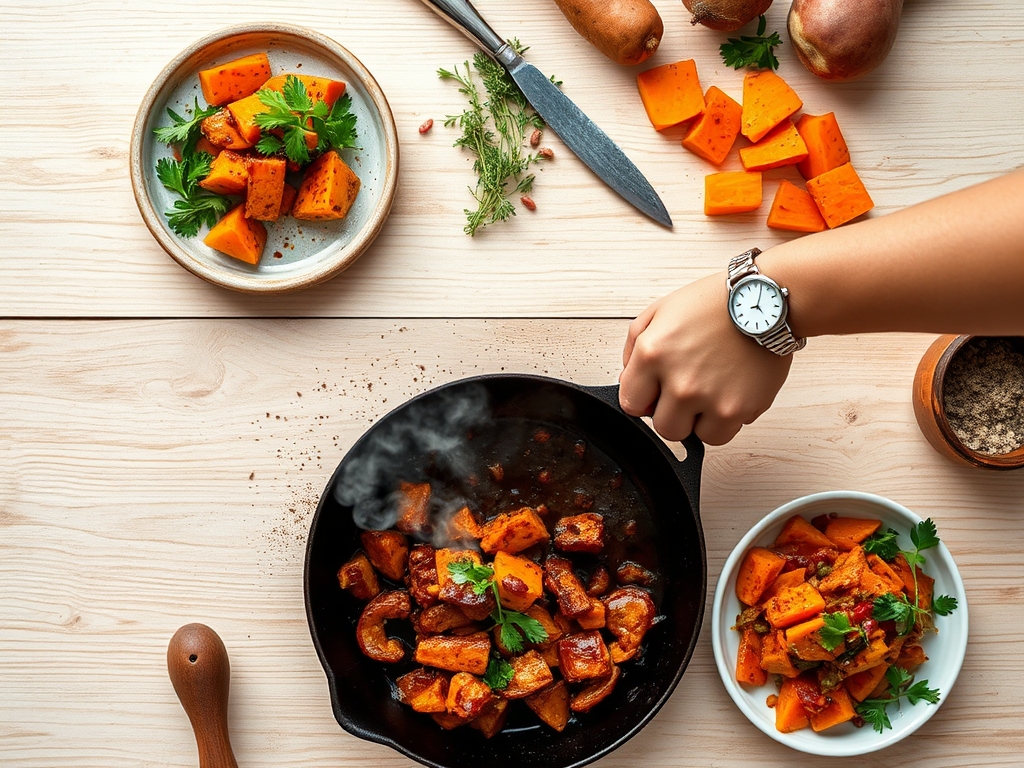
The Masterclass
1. The Roasted Foundation
The first step to any elite soul food sweet potato recipe is the dry-roast. Place your scrubbed tubers directly on the oven rack with a sheet pan underneath to catch any escaping sugars. Roast at 400 degrees Fahrenheit until the internal temperature reaches 210 degrees.
Pro Tip: This high-heat roasting triggers pyrolysis, the chemical decomposition of sugars. By roasting in the skin, you trap steam inside, which hydrates the starch granules and creates a natural puree texture without adding water.
2. The Silk Puree
Once the potatoes are roasted, peel them while warm and pass them through a food mill or ricer into a large bowl. Use a silicone spatula to fold in your room-temperature butter and heavy cream.
Pro Tip: Temperature matters here. Adding cold dairy to hot starch causes the fat to seize, resulting in a grainy texture. By using room-temperature fats, you create a stable emulsion that stays smooth even as it cools.
3. The Spice Infusion
In a small saucier, melt your butter over medium heat until it begins to foam. Add cinnamon, freshly grated nutmeg, and a pinch of cloves. Toast these for exactly 60 seconds until the aroma is pungent.
Pro Tip: Spices are fat-soluble. Toasting them in butter (blooming) allows the essential oils to dissolve into the fat, which then carries the flavor evenly throughout the entire dish rather than leaving "hot spots" of spice.
4. The Glaze Reduction
For candied yams, combine brown sugar, butter, and a splash of bourbon in a heavy-bottomed skillet. Simmer until the mixture reduces by a third and becomes thick enough to coat the back of a spoon.
Pro Tip: This is a study in evaporation and concentration. As water leaves the skillet, the sugar concentration rises, increasing the boiling point and creating a syrup that will cling to the potatoes rather than pooling at the bottom of the dish.
5. The Aerated Whip
If you are making a sweet potato souffle, use a balloon whisk or a stand mixer to incorporate egg whites that have been beaten to soft peaks. Gently fold these into your potato base using a bench scraper or large spoon.
Pro Tip: This process introduces air bubbles that expand during baking. The protein structure of the eggs traps this air, providing a structural "lift" that counters the natural density of the tubers.
6. The Final Bake and Carryover
Place your assembled dish back into the oven to set. For pies or casseroles, pull them when the center still has a slight jiggle.
Pro Tip: Remember thermal carryover. The internal temperature will continue to rise by 5 to 10 degrees after you remove the dish from the heat. Pulling it early ensures the proteins don't over-coagulate and become rubbery.
The Deep Dive
From a macro perspective, sweet potatoes are a powerhouse of beta-carotene and complex carbohydrates. To keep these soul food sweet potato recipes balanced, consider the glycemic load. Pairing the sugars with high-quality fats (like grass-fed butter) slows down glucose absorption.
Dietary Swaps: For a Keto-friendly version, replace the sugar with a monk fruit and erythritol blend; use xanthan gum to achieve the desired viscosity in your glazes. For Vegan guests, replace butter with a high-quality vegan block and use aquafaba (chickpea water) to aerate your souffles.
The Fix-It:
- Stringy Texture: This happens with older tubers. Fix it by passing the mash through a chinois or fine-mesh strainer to catch the fibers.
- Broken Sauce: If your glaze separates, whisk in a tablespoon of hot water or heavy cream to re-emulsify the fats.
- Bland Profile: If the sweetness feels one-dimensional, add a teaspoon of apple cider vinegar or lemon juice. The acidity will brighten the sugars and provide balance.
Meal Prep: When reheating, avoid the microwave if possible. Use a low oven (300 degrees) and cover with foil to prevent moisture loss. If the dish has thickened too much, stir in a tablespoon of warm milk to restore the original viscosity.
The Wrap-Up
Mastering soul food sweet potato recipes is about honoring the chemistry of the kitchen while leaning into the warmth of the tradition. By focusing on the Maillard reaction, proper emulsification, and the "Chef's Flow," you transform a simple root vegetable into a sophisticated culinary experience. These six classics are more than just food; they are a celebration of technique and heart. Now, grab your microplane and get to work; your kitchen is waiting to be filled with that golden, caramelized magic.
The Kitchen Table
Why are my candied yams watery?
Watery glazes usually result from under-reducing the syrup or using potatoes with too much internal moisture. Always roast your potatoes to evaporate excess water before glazing, and ensure your sugar syrup is reduced to a viscous consistency in a saucier.
Can I use canned yams for these recipes?
While convenient, canned yams lack the structural integrity and complex sugars of fresh roasted tubers. Canned versions are often packed in thin syrup, which can throw off your recipe's hydration levels and result in a mushy, overly sweet finished product.
What is the best way to peel sweet potatoes?
For these recipes, roast the potatoes whole in their skins. Once cooked, the skins will slip off easily with your fingers or a bench scraper. This method preserves the nutrients and sugars that are often lost when using a traditional vegetable peeler.
How do I prevent my sweet potato pie from cracking?
Cracks are caused by over-baking and the over-coagulation of egg proteins. Use a digital thermometer to pull the pie when the center reaches 175 degrees Fahrenheit. The thermal carryover will finish the cooking process without drying out the custard.