
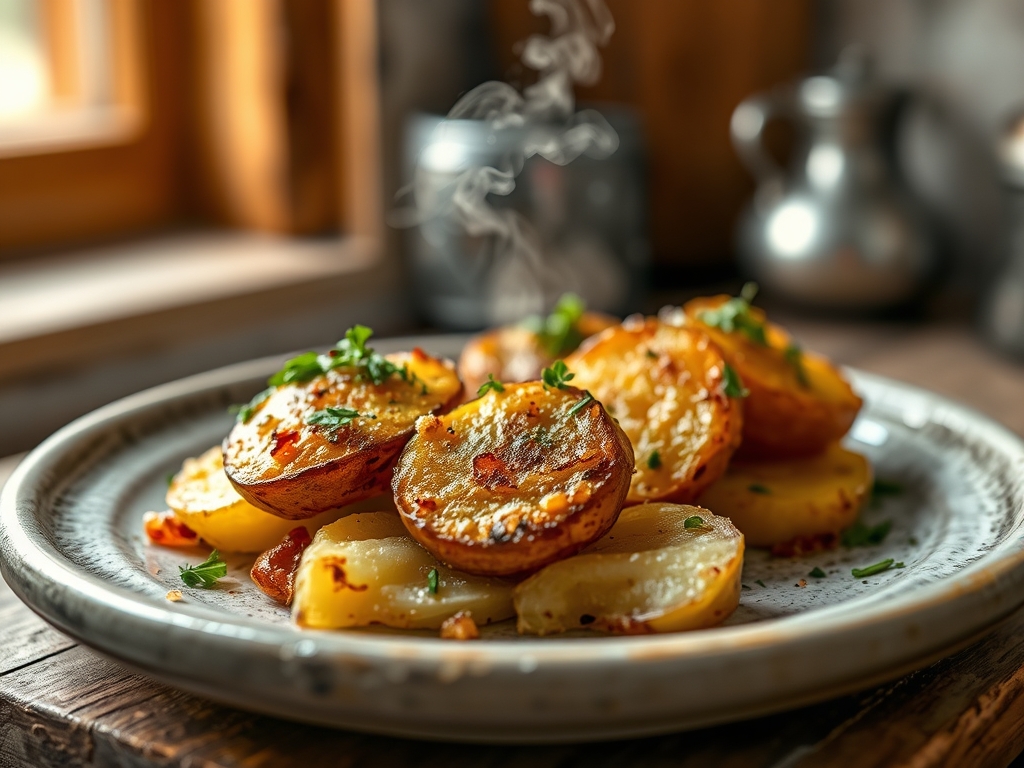
The smell of woodsmoke hitting the crisp morning air is incomplete without the heavy, rhythmic thud of a chef knife against a wooden board. We are not just tossing spuds into a fire and hoping for the best; we are orchestrating a symphony of starch and heat. Mastering camping potato recipes requires a blend of rugged intuition and molecular precision. Whether you are huddled over a backpacking stove or managing a roaring campfire, the humble potato is your most versatile ally. It is a vessel for salt, a canvas for smoke, and the ultimate source of complex carbohydrates to fuel your trek. We are moving beyond the basic foil packet into a world of crispy edges and creamy interiors. Prepare to transform your campsite into a high-end bistro as we dive into the mechanics of the perfect outdoor tuber.
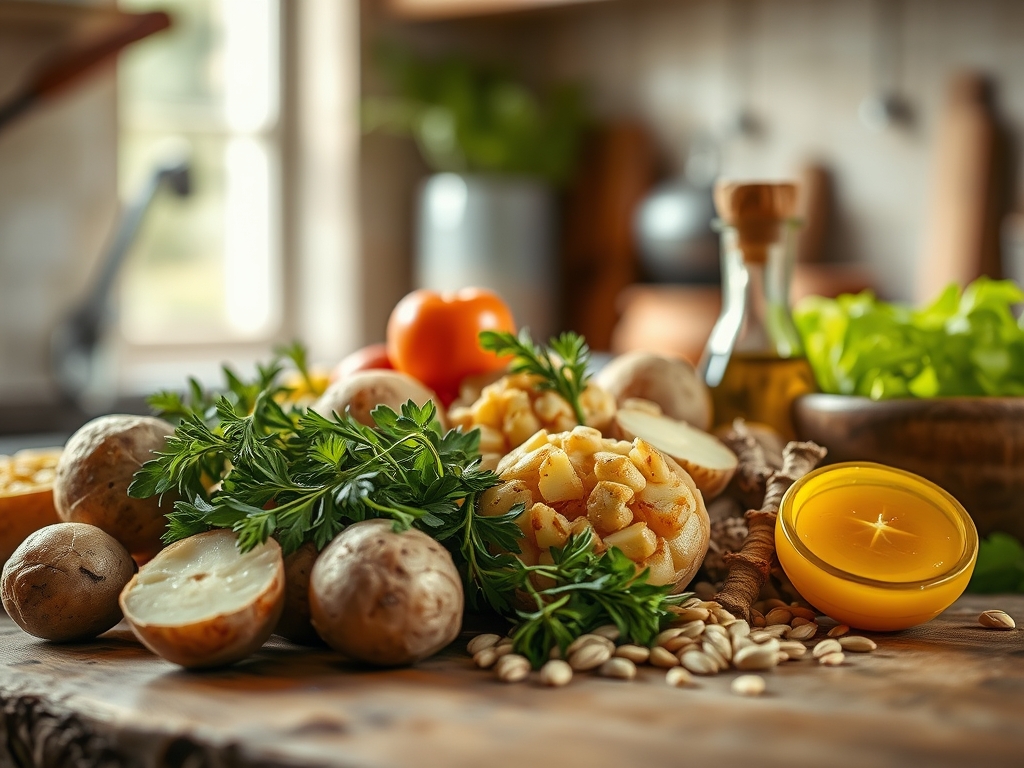
The Gathers:
To execute these camping potato recipes with finesse, your mise-en-place must be intentional. Start with high-starch Russets for fluffiness or waxy Yukon Golds for structural integrity during high-heat sautéing. You will need a heavy-bottomed skillet, preferably seasoned cast iron, to ensure even thermal distribution. Gather high-smoke-point fats like clarified butter or avocado oil; these allow you to render aromatics without scorching the lipids.
For the "Smart Substitutions," consider using nutritional yeast to provide a piquant, cheesy profile if you are avoiding dairy. If fresh garlic is unavailable, a high-quality garlic oil can infuse the dish with depth without the risk of burning delicate cloves. Always carry a microplane for zesting citrus or hard cheeses; this tool creates a high surface area for maximum flavor release. Finally, a bench scraper is essential for moving large quantities of diced potatoes from your board to the skillet without losing the precious, starch-coated edges.
The Clock
Efficiency in the wild is about managing the "Chef's Flow." Total prep time for these hacks averages twenty minutes, while cook times vary from fifteen to forty-five minutes depending on your heat source. The secret to speed is par-boiling. By pre-cooking your potatoes at home until they reach a state of partial gelatinization, you reduce campfire time by sixty percent. This allows you to focus on the Maillard reaction (the browning phase) rather than waiting for a raw center to soften. Always account for a five-minute rest period; this allows moisture to redistribute, ensuring the interior remains viscous and succulent rather than dry.
The Masterclass
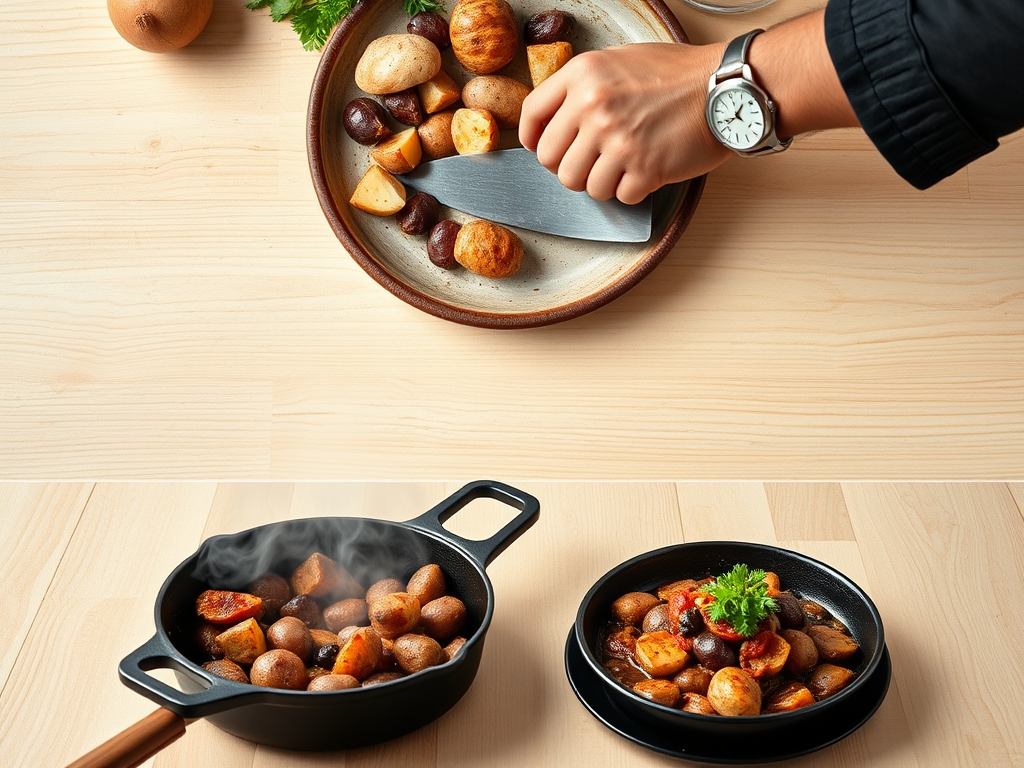
1. The Par-Cook Precision
Before leaving home, dice your potatoes and simmer them in salted water with a splash of vinegar. The vinegar prevents the pectin from breaking down too quickly, keeping the cubes intact.
Pro Tip: This prevents enzymatic browning, a chemical process where polyphenols react with oxygen. The acidic environment keeps your potatoes white and ready for the pan.
2. The Cast Iron Sear
Heat your heavy-bottomed skillet until a drop of water dances on the surface. Add your fat and then the potatoes in a single layer. Do not crowd the pan.
Pro Tip: Crowding causes the potatoes to steam in their own moisture rather than sear. You want to maximize the Maillard reaction for that signature umami crust.
3. The Foil-Wrapped Infusion
For whole bakers, wrap them in heavy-duty foil with a sprig of rosemary and a smashed garlic clove. Place them in the embers, not the direct flame.
Pro Tip: This utilize conductive heating. The foil acts as a mini-oven, allowing the aromatics to infuse the flesh as the internal moisture turns to steam.
4. The Smashed Skillet Spud
Boil small waxy potatoes until tender, then use the bottom of a heavy mug to flatten them. Fry them in plenty of oil until the jagged edges are translucent and shattered.
Pro Tip: Flattening increases the surface-area-to-volume ratio. This creates more "crunch zones" where starch molecules can undergo pyrolysis and crisp up.
5. The Dehydrated Hash Brown Rebirth
If backpacking, use high-quality dehydrated shreds. Rehydrate them with boiling water in a silicone bag before hitting the pan.
Pro Tip: Use a digital scale to measure water precisely. Over-hydration leads to a gummy texture because the starch granules swell and burst, releasing excess amylopectin.
6. The Hasselback Campfire Roast
Slice thin slits into a potato, stopping just before the base. Stuff the gaps with thin slices of butter and sea salt.
Pro Tip: This creates a "basting" effect. As the butter melts, it runs down the slits, ensuring the interior undergoes convection heating from the hot fat.
7. The Dutch Oven Gratin
Layer thin slices with heavy cream and thyme in a pre-heated Dutch oven. Cover the lid with hot coals to create top-down heat.
Pro Tip: This relies on thermal carryover. Even after you remove the pot from the fire, the cast iron will continue to cook the cream into a thick, viscous sauce.
8. The Ash-Roasted Sweet Potato
Place whole sweet potatoes directly into the cooling white ash of the fire. The skin will char, but the inside will turn to candy.
Pro Tip: The alkaline nature of the ash helps break down the skin's cellular structure, while the slow heat converts complex starches into maltose sugars.
The Deep Dive
Macro Nutrition: Potatoes are a powerhouse for hikers. A medium potato provides about 160 calories, 4 grams of protein, and more potassium than a banana. This electrolyte balance is crucial for preventing muscle cramps during steep ascents.
Dietary Swaps: For a Keto-friendly alternative, swap half the potatoes for cauliflower florets; they mimic the texture when roasted with enough fat. For a Vegan version, replace butter with a high-quality olive oil or coconut oil to maintain the mouthfeel. All these recipes are naturally Gluten-Free, provided your seasoning blends do not contain anti-caking agents derived from wheat.
The Fix-It:
- Soggy Potatoes: Your pan wasn't hot enough. Remove the potatoes, wipe the pan, add fresh oil, and wait for the "shimmer" before re-adding.
- Burnt Outside, Raw Inside: The heat is too aggressive. Move the skillet to the edge of the grate and cover it with a lid to trap steam.
- Sticky Pan: This usually means the starch hasn't fully set. Leave the potato alone; it will "release" naturally once the crust has formed.
Meal Prep: To reheat leftovers, avoid the microwave if possible. Use a small saucier with a teaspoon of water and a lid. The steam will re-hydrate the starch without making the exterior rubbery.
The Wrap-Up
Leveling up your camping potato recipes is the fastest way to become the hero of the trailhead. By understanding the chemistry of the Maillard reaction and the physics of thermal carryover, you turn a basic starch into a culinary event. Don't be afraid to experiment with bold aromatics or unconventional fats. The wilderness is your kitchen; treat it with the same respect and precision you would a Michelin-starred station. Now, grab your tongs, stoke that fire, and let the sizzle begin.
The Kitchen Table
Can I use red potatoes for camping hash browns?
Yes, but they have less starch than Russets. To get them crispy, you must dry them thoroughly with a cloth after slicing. This removes surface moisture, allowing the Maillard reaction to occur faster in the heavy-bottomed skillet.
How do I prevent my potatoes from turning gray?
Potatoes turn gray due to oxidation. Keep your peeled or sliced potatoes submerged in cold water until the moment they hit the heat. Adding a squeeze of lemon juice to the water further inhibits the enzymes responsible for browning.
What is the best way to store potatoes at a campsite?
Keep them in a cool, dark, and dry place. Avoid plastic bags which trap moisture and lead to rot. A breathable burlap sack or a ventilated crate is ideal to prevent sprouting and maintain the tuber's structural integrity.
How long do par-boiled potatoes last in a cooler?
When stored in an airtight container at 40 degrees Fahrenheit or below, par-boiled potatoes stay fresh for three days. Ensure they are completely cool before sealing to prevent condensation, which can lead to a "slimy" bacterial film.