
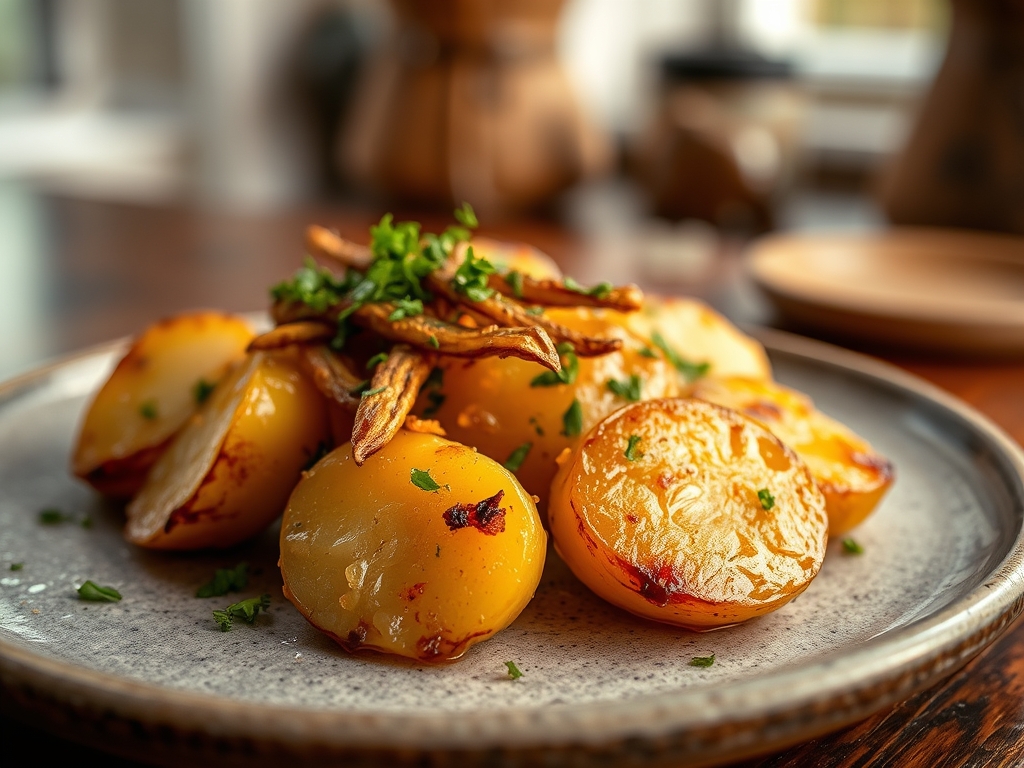
Imagine the scent of rosemary-infused steam hitting your face as you slice into a perfectly roasted Yukon Gold. Most people dismiss the humble spud as a simple starch, but we are flipping that script today. By marrying the complex carbohydrates of the potato with lean, high-quality proteins, we create the ultimate fuel for muscle recovery and sustained energy. These high protein potato recipes are the secret weapon for anyone leading a high-octane life. We are talking about creamy textures meeting charred edges; all while hitting your macros with surgical precision. It is time to treat your kitchen like a laboratory and your dinner like a masterpiece.
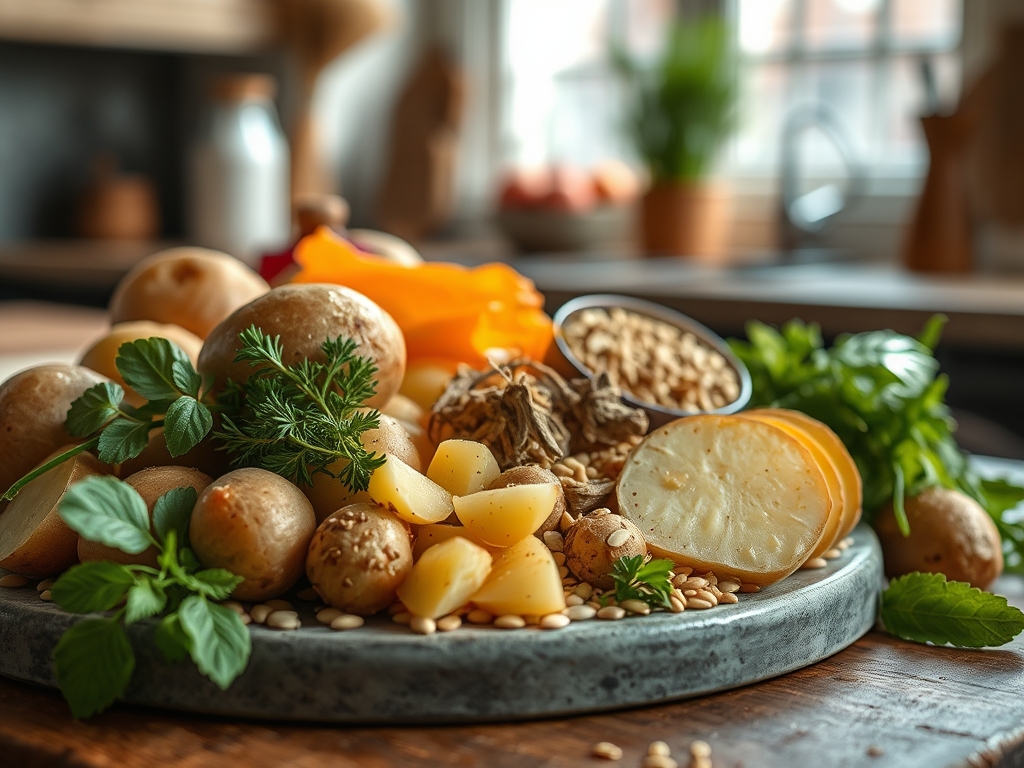
The Gathers:
Setting up your station is not just about organization; it is about managing the chemical reactions that happen once the heat is on. On your workspace, you should have a digital scale to ensure your protein-to-starch ratios are exact. For these recipes, we prioritize high-density proteins like Greek yogurt (the ultimate sour cream swap), liquid egg whites, lean ground turkey, and smoked salmon.
The potatoes themselves are the stars. We utilize waxy red potatoes for their structural integrity and starchy Russets for their ability to aerate into fluffy clouds. You will need a sharp bench scraper to move your dice from the board to the pan without bruising the cell walls of the vegetable. For the "Smart Substitutions," consider using nutritional yeast for a nutty, cheesy flavor profile that adds a protein punch without the saturated fats of heavy cheddar. If you are looking to increase the viscous quality of a sauce without a flour-based roux, blended silken tofu is your best friend. It integrates seamlessly into mashed bases, adding a velvet mouthfeel and a complete amino acid profile.
The Clock
Efficiency in the kitchen is about mastering the "Chef's Flow." Most of these high protein potato recipes require a total time of 35 to 45 minutes, but the active work is minimal if you multitask correctly. The "Flow" starts with the longest thermal process; usually roasting or boiling the potatoes. While the tubers undergo their transformation, you move to your secondary station to render fats or prep your cold proteins.
A heavy-bottomed skillet is essential here because it retains heat, allowing you to sear proteins quickly without dropping the temperature. Prep time is roughly 15 minutes of focused knife work, while cook time spans 20 to 30 minutes. By the time the potatoes are tender, your proteins should be rested and ready for integration. This staggered approach ensures that nothing sits getting soggy while you wait for a slow-moving burner.
The Masterclass
1. The Power Mash Base
Start by boiling peeled Russets in heavily salted water until they are fork-tender. Drain them thoroughly and let them steam-dry for two minutes. This prevents a watery consistency. Use a microplane to zest in fresh garlic for a piquant kick. Fold in plain Greek yogurt and a splash of bone broth instead of butter.
Pro Tip: This relies on the science of retrogradation. By letting the potatoes cool slightly before mashing, the starches begin to realign, creating a firmer texture that holds up better when mixed with heavy proteins like shredded chicken.
2. The Skillet Sear
Cut your potatoes into uniform 1/2-inch cubes. Heat avocado oil in a heavy-bottomed skillet until it shimmers. Toss the potatoes until they develop a golden crust. Move them to the edge of the pan and add lean ground beef or turkey to the center.
Pro Tip: This creates the Maillard reaction, a chemical reaction between amino acids and reducing sugars that gives browned food its distinctive flavor. Do not crowd the pan, or you will steam the food instead of searing it.
3. The Protein Loaded Jacket
Pierce large Russets and bake at 400 degrees Fahrenheit until the skin is crisp. Slice them open and fluff the interior with a fork. Stuff them with a mixture of cottage cheese, chives, and diced turkey bacon.
Pro Tip: High-heat baking causes evaporative cooling on the skin, which eventually leads to that sought-after crunch. The high protein filling provides a thermal mass that keeps the potato hot for longer.
4. The Sheet Pan Synergy
Toss fingerling potatoes with sliced chicken sausages and bell peppers. Use tongs to ensure every piece is coated in a thin layer of olive oil and smoked paprika. Roast at 425 degrees until the sausages are charred.
Pro Tip: This method utilizes convection heat. The air circulating around the small surface area of fingerlings ensures they cook at the same rate as the dense protein of the sausage.
5. The Potato Protein Bowl
Layer roasted sweet potatoes with black beans, quinoa, and a poached egg. The combination of legumes and potatoes creates a complex carbohydrate profile that sustains energy for hours.
Pro Tip: Poaching the egg involves protein denaturation. Using a drop of vinegar in the water helps the egg whites coagulate faster, keeping the yolk runny and rich to act as a natural sauce.
The Deep Dive
When we look at the macro nutrition of these high protein potato recipes, we are aiming for a balance of 30% protein, 40% complex carbs, and 30% healthy fats. Potatoes are naturally rich in potassium, which is vital for muscle function and preventing cramps during workouts.
Dietary Swaps: For a vegan version, replace dairy with cashew cream or silken tofu. For those on a lower-carb "Keto-lite" path, swap half the potato volume with roasted cauliflower. All these recipes are naturally gluten-free as long as you check your spice blends for hidden thickeners.
The Fix-It:
- Gummy Potatoes: This happens when you overwork the starch. Use a ricer instead of a blender to keep the texture light.
- Soggy Skins: You likely wrapped them in foil. Bake them naked on the rack to allow moisture to escape.
- Dry Protein: If your turkey or chicken is dry, you likely missed the thermal carryover. Remove proteins from the heat 5 degrees before their target temperature; they will finish cooking while resting.
Meal Prep: To maintain "day-one" quality, store potatoes and proteins in airtight glass containers. When reheating, add a teaspoon of water and cover with a damp paper towel. This creates a mini-steam chamber in the microwave, preventing the starch from becoming leathery.
The Wrap-Up
Mastering high protein potato recipes is about more than just eating; it is about fueling your ambition with scientific precision. You now have the tools, the techniques, and the "why" behind every sizzle in the pan. Whether you are prepping for a marathon or just a busy week at the office, these meals provide the density and flavor you deserve. Now, grab that saucier, get your mise-en-place ready, and let's turn these humble tubers into a high-performance feast. Your muscles and your taste buds will thank you.
The Kitchen Table
Are potatoes actually good for muscle building?
Yes. Potatoes provide the fast-digesting complex carbohydrates needed to replenish glycogen stores after a workout. When paired with lean protein, they facilitate muscle recovery and provide the energy required for high-intensity training sessions.
How can I add protein to mashed potatoes without meat?
Integrate Greek yogurt, cottage cheese, or silken tofu into your mash. You can also fold in whisked egg whites while the potatoes are hot or add nutritional yeast for a boost of complete protein and B vitamins.
What is the best potato for high protein roasting?
Yukon Gold potatoes are ideal. They have a medium starch content that allows for a creamy interior while still developing a crisp exterior. Their thin skins also mean you keep the fiber and nutrients found in the peel.
Can I meal prep potato dishes without them turning grey?
Yes. To prevent enzymatic browning, toss cut potatoes in an acidic solution like lemon juice or vinegar before cooking. Once cooked, store them in airtight containers to minimize oxidation and maintain their vibrant color.