
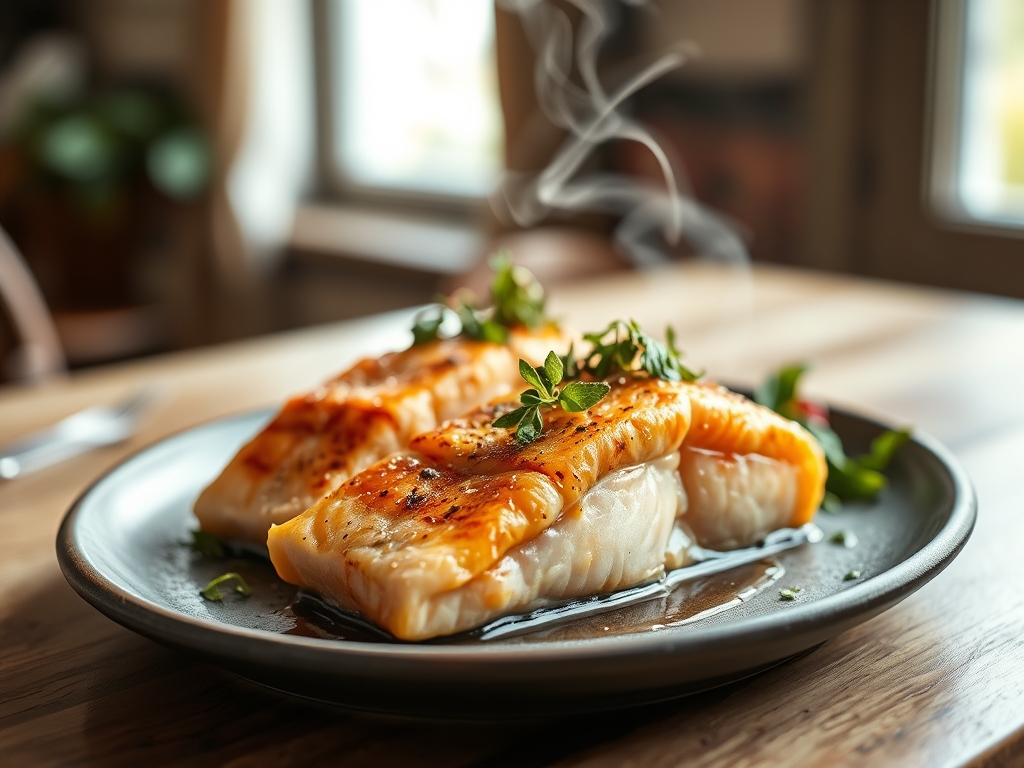
Picture the scene: a room humming with laughter, the soft clink of crystal, and that unmistakable, savory aroma drifting from the kitchen. When you are hosting, you do not just want food; you want a conversation piece. That is where these party salmon recipes come in. Salmon is the undisputed queen of the appetizer spread because it strikes that perfect balance between decadent richness and sophisticated lightness. Whether you are serving a silky gravlax or a crispy, seared bite, salmon offers a fatty acid profile that carries flavors beautifully across the palate. We are moving beyond the basic cracker and cream cheese combo. We are diving into the molecular magic of salt-curing, the physics of a perfect sear, and the chemistry of acidic maceration. Think of this as your culinary backstage pass. We will explore how to manipulate proteins to achieve that buttery mouthfeel your guests will rave about for weeks. By the time we are done, you will not just be cooking; you will be engineering the ultimate social experience, one perfectly plated bite at a time.
The Gathers:
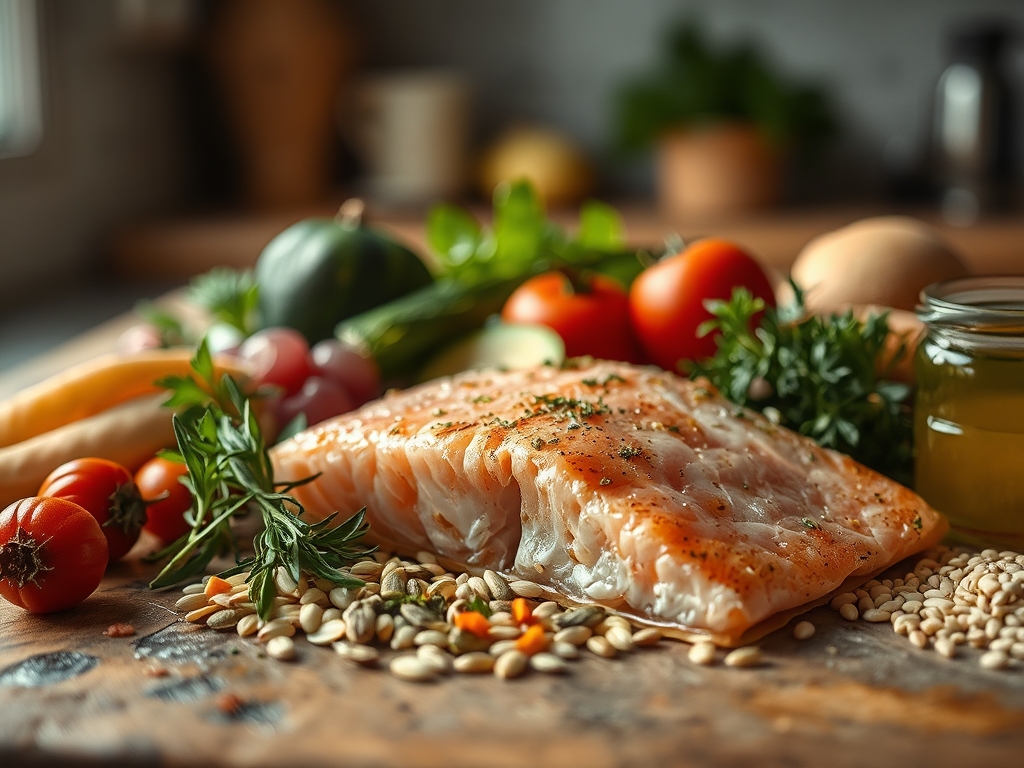
To execute these party salmon recipes with precision, your mise-en-place must be impeccable. Start with the centerpiece: high-quality Atlantic or King salmon. Look for flesh that is firm to the touch with vibrant, consistent coloration; this indicates a healthy lipid distribution. You will need a digital scale to measure your curing salts and sugars, as volume measurements are notoriously unreliable for chemical reactions like osmosis.
Gather your aromatics. We are looking for piquant additions like fresh dill, shallots, and capers. For the fats, keep high-quality unsalted butter and a neutral oil with a high smoke point, such as grapeseed oil, on standby. You will also need "brighteners" like Meyer lemons and rice wine vinegar to provide the acidity necessary to cut through the fish's natural oils.
Smart Substitutions: If you cannot find sushi-grade raw salmon, look for high-quality smoked salmon or "hot-smoked" varieties which offer a flaky, cooked texture with a deep, infused woody aroma. For a dairy-free crowd, swap traditional crème fraîche for a cashew-based cream aerated with a splash of lemon juice to mimic that signature tang. If you are avoiding gluten, swap crostini for sliced Persian cucumbers or crispy rice cakes to maintain that essential structural crunch.
The Clock:
Mastering the "Chef's Flow" is about timing the release of heat and the preservation of texture. For cold preparations like tartare or carpaccio, your active time is a brisk 20 minutes, but you must account for at least 2 hours of "chill time" to allow flavors to infuse and the proteins to firm up.
If you are opting for cooked appetizers, such as crispy skin bites or salmon sliders, the clock shifts. You will spend 15 minutes on prep and approximately 8 to 10 minutes of active cooking. The secret to professional timing is the "rest." Just as a steak needs to settle, salmon requires 3 to 5 minutes of resting time to allow for thermal carryover. This ensures the center stays succulent while the exterior remains crisp. Always prep your cold garnishes while the fish is cooking to ensure a seamless transition from the heavy-bottomed skillet to the serving platter.
The Masterclass:
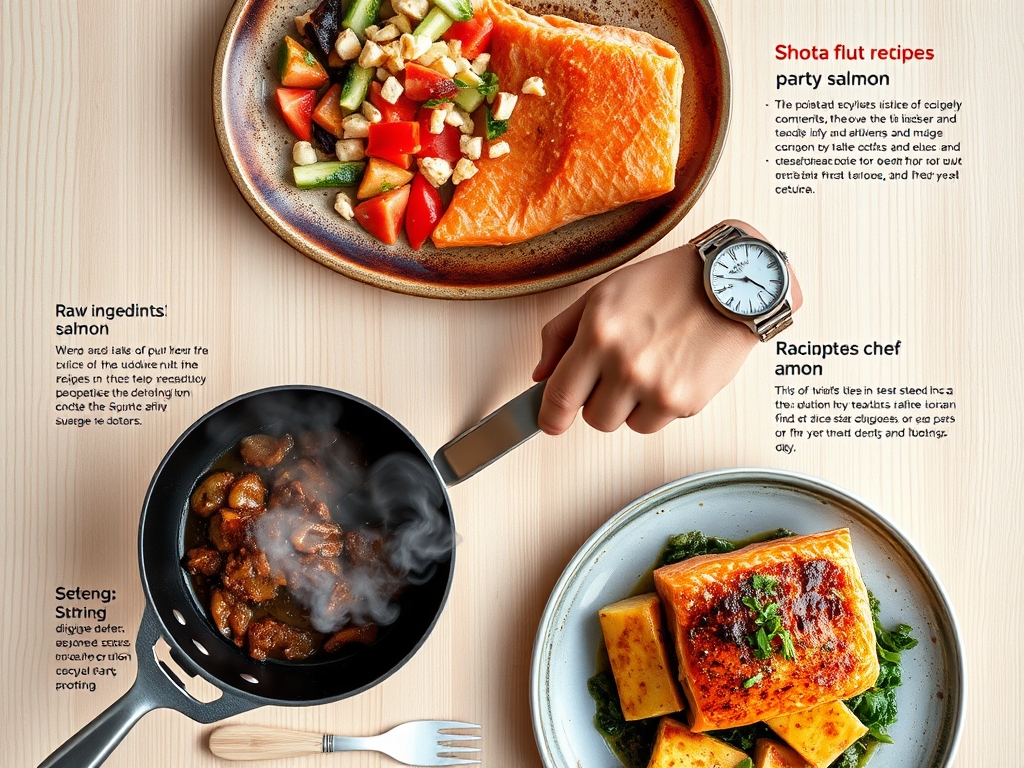
1. The Precision Cut
Using a sharp damascus steel knife, slice the salmon into uniform cubes or translucent ribbons. Uniformity is not just about aesthetics; it ensures a consistent surface area for seasoning and heat distribution.
Pro Tip: Use a bench scraper to move your delicate cuts without bruising the flesh. Cold fish is easier to slice because the fats are more viscous, preventing the meat from tearing under the blade.
2. The Cure and Osmosis
For raw preparations, coat the salmon in a mixture of kosher salt and sugar. This process draws out moisture through osmosis, tightening the protein structure and deepening the flavor.
Pro Tip: This is "denaturation" in action. The salt breaks down the protein strands, effectively "cooking" the fish without heat, resulting in a firm, silky texture that resists bacterial growth.
3. Achieving the Maillard Reaction
When searing salmon bites, pat the skin bone-dry with a paper towel. Place them skin-side down in a preheated heavy-bottomed skillet with a thin layer of oil. Do not move them until they release naturally from the pan.
Pro Tip: This is the Maillard reaction, a chemical reaction between amino acids and reducing sugars that creates that golden-brown crust. If the fish sticks, the bond hasn't finished breaking; patience is a physical requirement here.
4. Emulsifying the Garnish
Whether you are making a lemon-dill aioli or a spicy mayo, slow-incorporate your fats into your acids. Use a small saucier and a whisk to create a stable emulsion.
Pro Tip: Use a microplane to zest citrus directly into the sauce. The essential oils are highly volatile; grating them at the last second ensures the brightest possible flavor profile.
5. The Final Assembly
Place your salmon on its base (blini, cucumber, or toast) and top with your emulsified sauce and micro-greens. Use tongs for precision placement to avoid smudging the presentation.
Pro Tip: Add a finishing salt like Maldon at the very end. The large crystal structure provides a localized "burst" of salinity that highlights the sweetness of the fish without over-seasoning the entire dish.
The Deep Dive:
From a macro nutrition perspective, salmon is a powerhouse. It is exceptionally high in Omega-3 fatty acids, which are essential for heart health, and provides a dense source of high-quality protein. A standard appetizer serving typically contains about 120 calories with 15 grams of protein and 7 grams of healthy fats.
Dietary Swaps:
For Keto guests, eliminate the bread base entirely and serve salmon "lollipops" on skewers with a high-fat avocado mousse. For a Vegan alternative that mimics the "vibe" of these party salmon recipes, use roasted carrots marinated in liquid smoke, caper brine, and olive oil; the texture is shockingly similar to lox.
The Fix-It:
- The Fish is Too Salty: If you over-cured your salmon, rinse it under cold filtered water for 10 minutes and pat dry. The water will pull some of the surface salinity back out.
- The Skin is Soggy: This happens when moisture is trapped. Fix it by placing the bites on a wire rack in a 400-degree oven for 2 minutes to render the remaining fat and crisp the skin.
- The Sauce is Broken: If your aioli separates, whisk a teaspoon of warm water or an extra egg yolk in a clean bowl and slowly whisk the broken sauce into it to re-emulsify.
Meal Prep: To maintain "day-one" quality, store your components separately. Never reheat salmon in a microwave; the aggressive agitation of water molecules will toughen the protein. Instead, let cooked salmon come to room temperature or gently warm it in a low oven (275 degrees) covered in foil to retain moisture.
The Wrap-Up:
Hosting should be as much fun for you as it is for your guests. By mastering these party salmon recipes, you are bringing a level of technical sophistication to the table that goes far beyond simple catering. You have learned the importance of osmosis, the beauty of the Maillard reaction, and the necessity of a stable emulsion. These appetizers are not just food; they are tiny, edible masterpieces designed to ignite the senses. So, grab your microplane, sharpen your knives, and get ready to be the most "in-the-know" host in your social circle. Your kitchen is now a lab of deliciousness!
The Kitchen Table:
Can I make salmon appetizers the night before?
You can prep components like sauces and cures 24 hours in advance. However, for the best texture, assemble the final bites no more than two hours before serving to prevent the base from becoming soggy.
What is the best way to tell if salmon is fresh?
Fresh salmon should have a mild, oceanic scent rather than a "fishy" odor. The flesh should be firm and spring back when pressed, and it should appear moist and vibrant without any graying or bruising.
How do I stop salmon from sticking to the pan?
Ensure your heavy-bottomed skillet is properly preheated and the salmon skin is completely dry. Use an oil with a high smoke point and do not attempt to flip the fish until it naturally releases from the surface.
Is frozen salmon okay for party appetizers?
Yes, high-quality "flash-frozen" salmon is often fresher than the "fresh" fish at the counter. Thaw it slowly in the refrigerator overnight to maintain the integrity of the cell walls and prevent a mushy texture.