
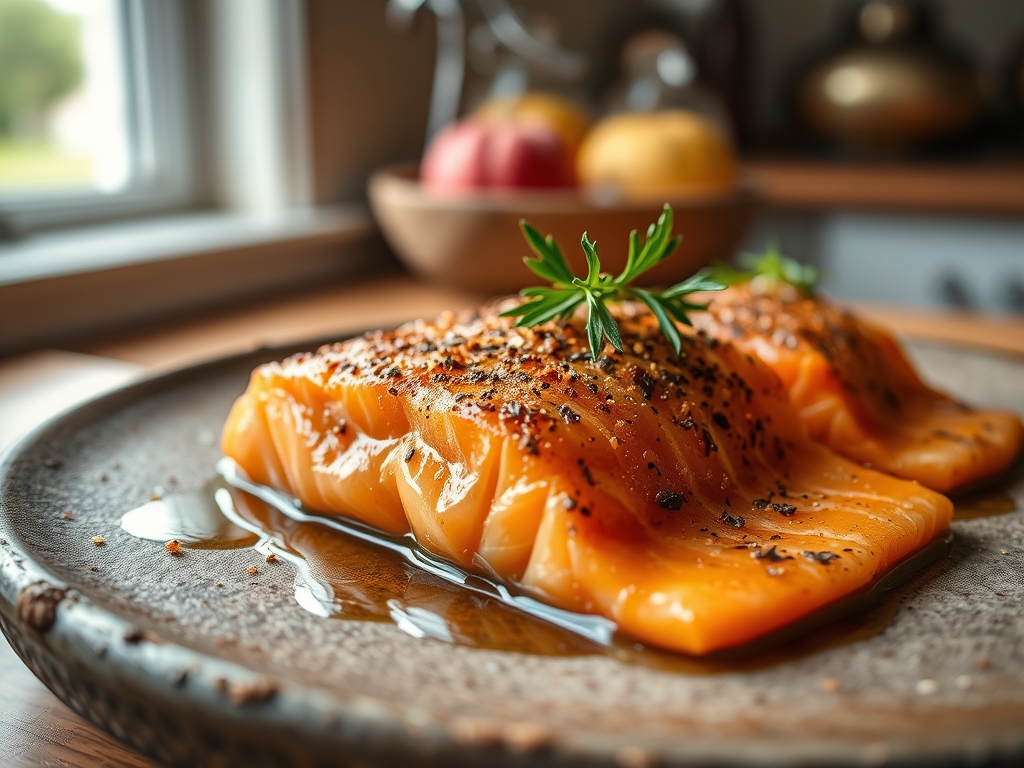
Imagine a kitchen filled with the scent of smoldering fruitwood and the deep, molasses-heavy aroma of caramelizing sugar. There is a specific magic that happens when cold Atlantic fat meets a sweet, grainy crust. Mastering smoked salmon recipes brown sugar variations is about more than just dinner; it is about achieving that perfect balance of salt, smoke, and sweetness that melts on your tongue.
Whether you are hosting a brunch that needs a centerpiece or prepping a high-protein snack that feels like a luxury, this method turns a standard fillet into something transcendent. We are moving beyond basic seasoning into the realm of true culinary chemistry. We are talking about that sticky, translucent glaze that shimmers under the kitchen lights and the flake that falls apart at the mere suggestion of a fork. Grab your apron and your favorite heavy-bottomed skillet; we are about to dive into the smoky, sugary science of the perfect cure.
The Gathers:
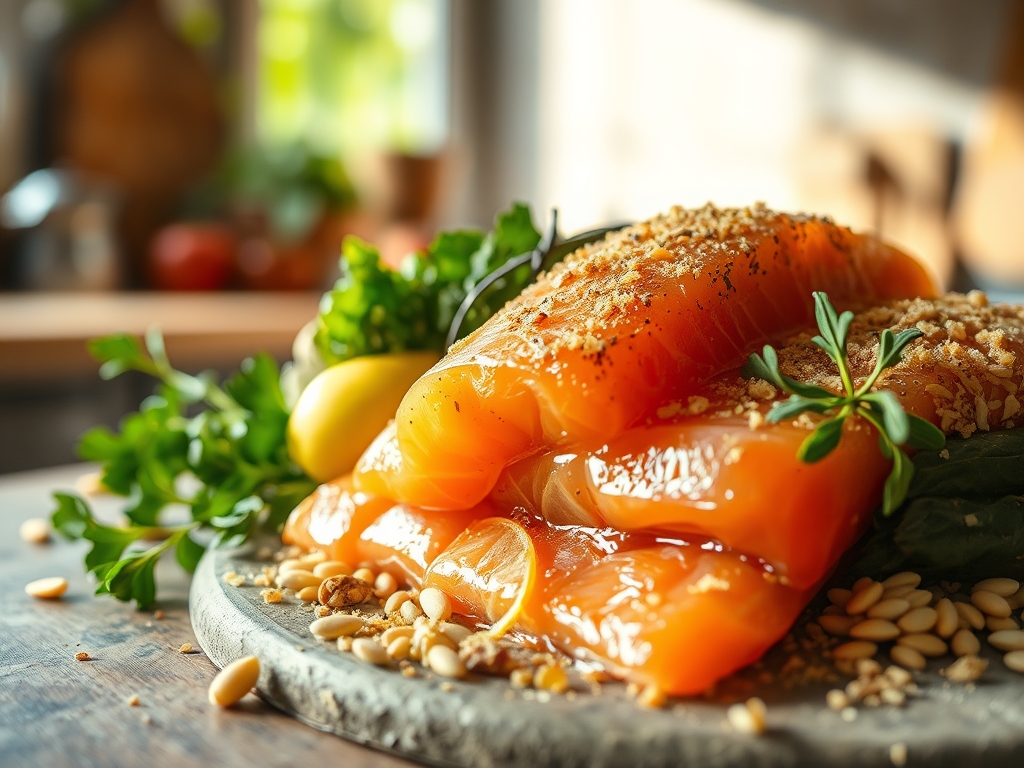
Before we ignite the smoker, we must assemble our mise-en-place with precision. Start with a side of high-quality salmon; look for vibrant color and firm flesh that bounces back when pressed. You will need a digital scale to ensure your dry cure ratios are exact. The foundation of our flavor profile is dark brown sugar, which provides the viscous molasses content necessary for a deep lacquer. We pair this with coarse kosher salt to draw out moisture through osmosis, firming the protein structure.
For the aromatics, use a microplane to zest fresh lemon and grate ginger into a fine paste. This adds a piquant brightness that cuts through the rich omega-3 fatty acids. You will also need cracked black pepper and a hint of smoked paprika to bridge the gap between the natural wood smoke and the sugar.
Smart Substitutions: If you are watching your glycemic index, coconut sugar is a brilliant swap that retains that earthy, caramel-like depth. For those who prefer a heat-forward profile, replace the paprika with chipotle powder. If you cannot find fresh salmon, high-quality frozen sockeye works well, provided you thaw it slowly in the refrigerator to maintain cellular integrity and prevent a mushy texture.
The Clock:
Efficiency in the kitchen relies on what I call the Chef's Flow. This is not a thirty-minute meal; it is a labor of patience. Your active prep time is roughly 20 minutes, involving the scaling and de-boning of the fish. However, the cure requires a minimum of 4 hours, though 8 to 12 hours is the sweet spot for maximum flavor penetration.
The smoking process itself takes approximately 2 to 3 hours depending on the thickness of the fillet and your target internal temperature. Finally, factor in a 30-minute rest period. This allows the juices to redistribute and the glaze to set into a tacky, professional finish. Total time investment: 7 to 15 hours. Plan accordingly so you are not pull-testing your salmon at midnight.
The Masterclass:
1. The Precision Prep
Lay your salmon on a clean work surface. Use a pair of fish tweezers or needle-nose pliers to remove any pin bones, pulling in the direction the bone is pointing to avoid tearing the flesh. Use a sharp fillet knife to trim any excess silver skin or belly fat that might become overly greasy during the smoke.
Pro Tip: Removing pin bones ensures a seamless eating experience. From a physics standpoint, removing these small calcified structures allows the heat to distribute more evenly through the muscle fibers without being diverted by dense material.
2. The Osmotic Cure
In a bowl, combine your brown sugar and salt in a 2-to-1 ratio. Rub this mixture generously over the flesh side of the salmon. Place the fish in a non-reactive glass dish and cover it tightly with plastic wrap. Place it in the refrigerator and let the salt work its magic.
Pro Tip: This is osmosis in action. The salt draws water out of the salmon cells, which creates a concentrated brine that then re-enters the fish, seasoning it deeply while tightening the protein strands for a firmer "snap" after cooking.
3. The Pellicle Formation
After curing, rinse the salmon under cold water to remove excess salt and pat it bone-dry with paper towels. Place the fish on a wire rack set over a baking sheet and put it back in the fridge, uncovered, for at least two hours.
Pro Tip: This step creates the pellicle, a thin, tacky skin on the surface of the fish. This sticky layer is essential because it acts as a "glue" for the smoke molecules to adhere to, ensuring a deep, smoky flavor.
4. The Low and Slow Ignite
Preheat your smoker to 225 degrees Fahrenheit. Use a mild wood like alder, cherry, or apple. Place the salmon skin-side down on the grates. If you are using a grill, set up a two-zone heat system to ensure the fish is not directly over the flames.
Pro Tip: Keeping the temperature low prevents albumin (that white, unappealing protein) from squeezing out of the muscle fibers. Slow heating allows the fats to render gently without shocking the protein.
5. The Glaze Application
When the internal temperature reaches 110 degrees Fahrenheit, use a silicone brush to apply a final layer of liquefied brown sugar or maple syrup. This is where the magic happens as the sugar begins to dehydrate and concentrate.
Pro Tip: This late-stage application prevents the sugar from burning. As the moisture evaporates, the sugar undergoes caramelization, creating a complex array of flavor compounds that are both bitter and sweet.
6. The Thermal Finish
Continue smoking until the internal temperature reaches 140 degrees Fahrenheit. Use a high-quality digital thermometer to check the thickest part of the fillet. Remove the fish immediately and transfer it to a wooden board.
Pro Tip: This accounts for thermal carryover. The internal temperature will continue to rise by about 5 degrees after you remove it from the heat, landing you at a perfect, succulent 145 degrees.
7. The Rest and Set
Resist the urge to flake the fish immediately. Let it rest for at least 20 minutes at room temperature. This allows the sugar glaze to transition from a liquid state to a gorgeous, tacky lacquer.
Pro Tip: Resting allows the proteins to relax and reabsorb any free-standing moisture. If you cut too soon, the juices will run out, leaving the meat dry and the texture compromised.
8. The Final Garnish
Before serving, use a microplane to dust a tiny bit of fresh lemon zest over the top and sprinkle a few flakes of Maldon sea salt. This final hit of acid and salt wakes up the palate and balances the heavy smoke.
Pro Tip: This is about sensory contrast. The sharp acidity of the zest triggers salivation, which helps your taste buds better perceive the nuanced notes of the wood smoke and molasses.
The Deep Dive:
Macro Nutrition: Smoked salmon is a nutritional powerhouse. It is exceptionally high in Omega-3 fatty acids, which support heart and brain health. A standard 3-ounce serving provides roughly 18 grams of protein. While the brown sugar adds some carbohydrates, much of it is rinsed off after the cure, leaving just enough for flavor.
Dietary Swaps: To make this Keto-friendly, use a monk fruit-based brown sugar substitute. For a vegan "smoked salmon" alternative, you can apply this exact cure and smoke method to thin slices of steamed carrots or marinated slabs of extra-firm tofu. The smoky-sweet profile translates surprisingly well to plant-based proteins.
The Fix-It:
- Too Salty: If you over-cured the fish, soak the fillet in cold water for 30 minutes before smoking to draw out excess sodium.
- White Gunk (Albumin): If white spots appear, your heat is too high. Lower the temp and gently wipe the spots away with a damp paper towel.
- Dry Texture: If the fish feels like jerky, you skipped the pellicle or overcooked it. Fix this by flaking the fish and mixing it with a bit of crème fraîche or Greek yogurt for a spread.
Meal Prep: To reheat without losing quality, avoid the microwave. Use a saucier or small pan with a splash of water, cover it, and steam the salmon gently on low heat for 3 minutes. This preserves the moisture and keeps the glaze intact.
The Wrap-Up:
You now hold the secrets to the ultimate smoked salmon. By understanding the relationship between salt, sugar, and thermal physics, you have moved beyond recipes into true culinary mastery. This salmon is bold, sophisticated, and undeniably delicious. Whether you serve it on a bagel or eat it straight off the board with your fingers, you are enjoying a dish that is as much a science experiment as it is a feast. Now, go fire up that smoker and show the world what you have learned!
The Kitchen Table:
How do I prevent the salmon from sticking to the smoker grates?
Always start with a clean grate and apply a light coating of high-smoke-point oil. Placing the salmon skin-side down also provides a natural protective barrier between the delicate flesh and the metal heat.
Can I make this recipe in a regular oven?
Yes, use a "liquid smoke" additive in your cure and bake at the lowest possible setting. Place a pan of water on the bottom rack to maintain humidity and prevent the sugar from drying out too quickly.
What is the best wood for smoking salmon?
Fruitwoods like apple or cherry are ideal because they offer a mild, sweet smoke. Avoid heavy woods like hickory or mesquite, which can easily overwhelm the delicate flavor of the fish and the brown sugar.
How long does homemade smoked salmon stay fresh?
When stored in an airtight container in the coldest part of your refrigerator, it will stay fresh for up to five days. For longer storage, vacuum-seal and freeze it for up to three months.