
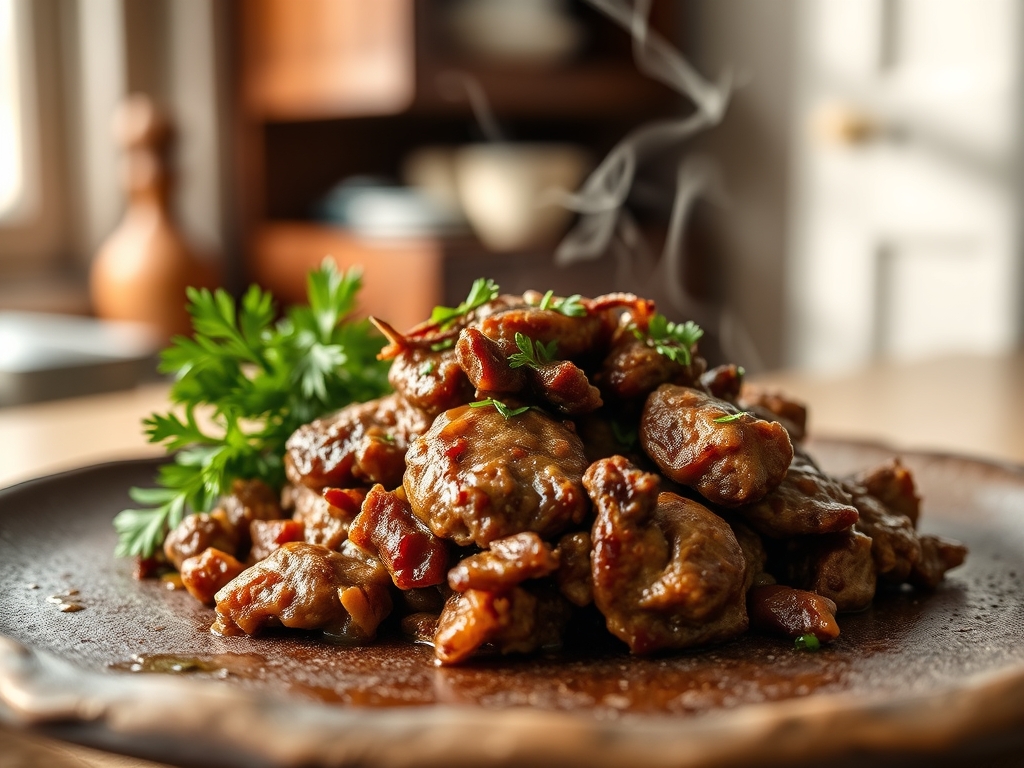
The scent of searing protein is the universal language of a kitchen that means business. When you are staring down a bulk pack from the butcher, you are not just looking at dinner; you are looking at a canvas for chemical transformation. Mastering 5 lbs ground beef recipes is the ultimate survival skill for the modern host who refuses to sacrifice flavor for efficiency. We are moving beyond the basic burger into a world where we manipulate fat ratios and heat to create eight distinct, family sized masterpieces from a single session. This is about the art of the sear and the science of the simmer. We are going to harness the power of high heat to create complex flavor profiles that taste like they took all day, even when we are racing against the evening clock.
The Gathers:
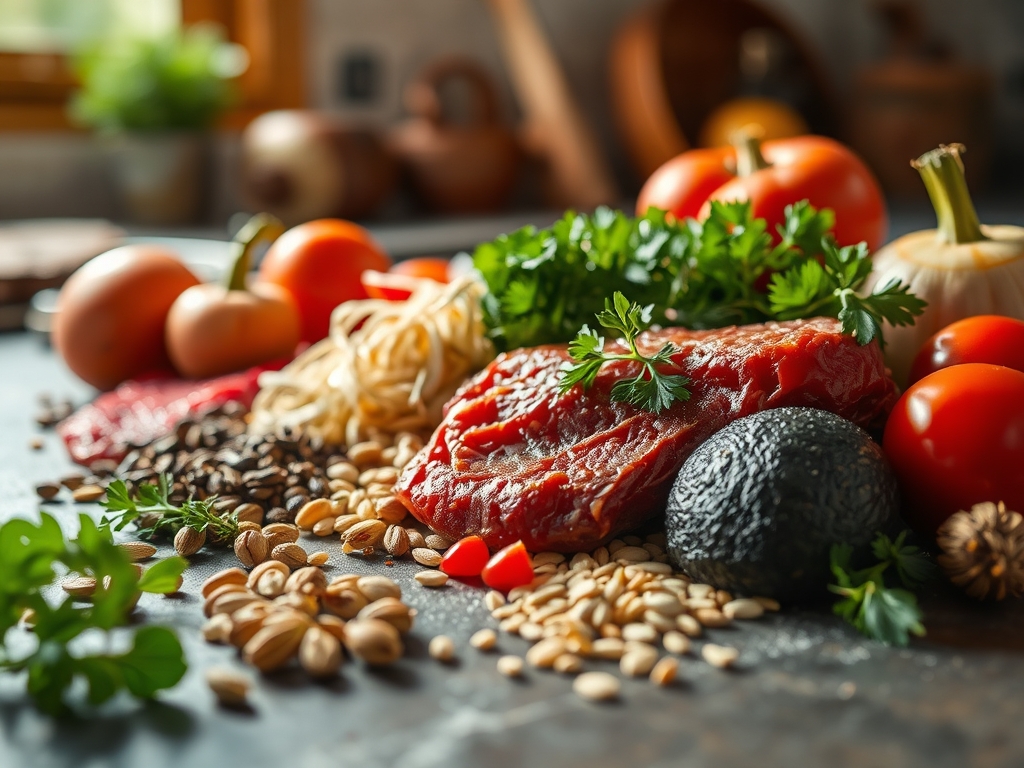
To execute these 5 lbs ground beef recipes with precision, your mise-en-place must be impeccable. Start with your protein: a 80/20 lean-to-fat ratio is the gold standard for moisture retention. You will need a heavy-bottomed skillet or a cast iron dutch oven to manage thermal mass. On your workstation, arrange your aromatics: yellow onions for their high sugar content, garlic for piquant depth, and celery for structural crunch.
Smart Substitutions: If you are looking to lighten the caloric load without losing the viscous mouthfeel of beef fat, try a 50/50 split with ground turkey but add a teaspoon of mushroom powder. The fungi provide the umami punch that poultry lacks. For a binder, if you are out of traditional breadcrumbs, crushed pork rinds offer a zero-carb alternative that creates a beautiful, aerated texture in meatballs. Always keep a bottle of dry red wine or beef stock nearby to deglaze the pan; those browned bits, or fond, are concentrated flavor gold.
The Clock:
Efficiency in the kitchen is governed by the "Chef's Flow." For these bulk recipes, expect a 20-minute prep window where you utilize a bench scraper to organize your chopped vegetables. The actual cook time for the base protein takes approximately 25 to 30 minutes. By browning the meat in batches, you prevent the temperature of the pan from dropping, which avoids the dreaded "gray meat" syndrome caused by steaming rather than searing. Total active time for eight meal starts is roughly 60 minutes. This high-density approach ensures that your Tuesday night self will thank your Sunday afternoon self.
The Masterclass:
1. The Maillard Foundation
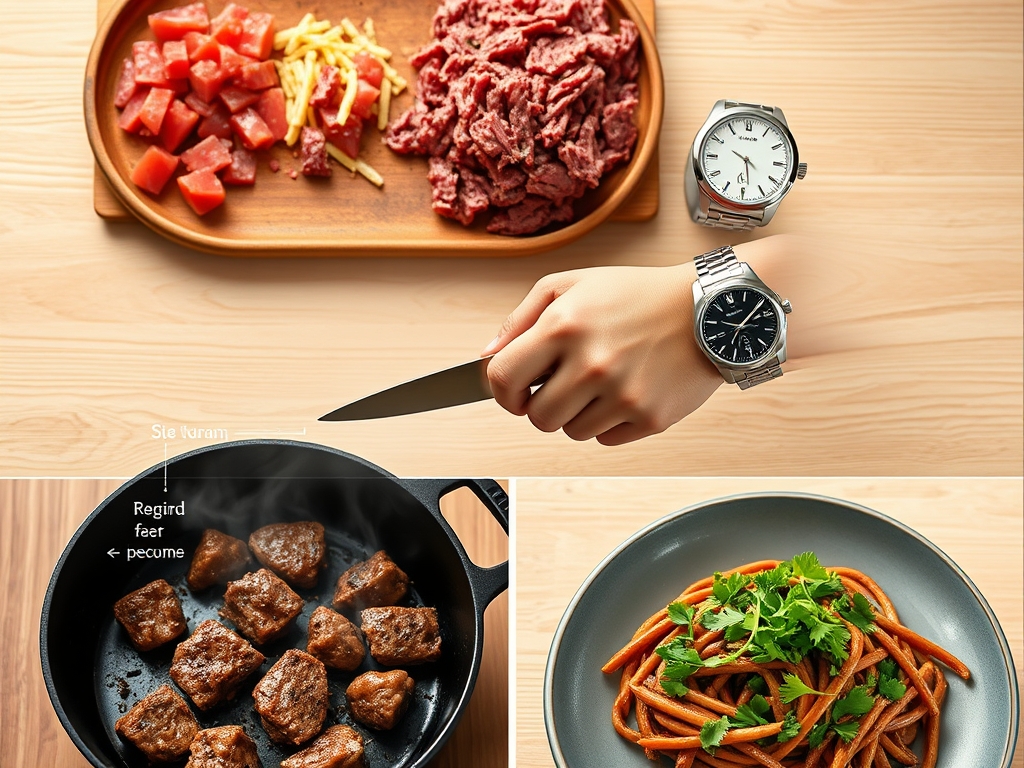
Begin by heating your heavy-bottomed skillet until it is wisps-of-smoke hot. Add the beef in small clumps, leaving space between them. Do not stir immediately. Allow the meat to develop a deep, dark crust.
Pro Tip: This is the Maillard Reaction, a chemical reaction between amino acids and reducing sugars that gives browned food its distinctive flavor. If you crowd the pan, the moisture released will lower the temperature, causing the meat to boil in its own juices rather than sear.
2. Rendering and Aromatics
Once the meat is browned, use a slotted spoon to remove the beef, leaving the rendered fat in the pan. Toss in your diced onions and carrots. Sauté until the onions are translucent and the edges begin to caramelize.
Pro Tip: Fat is a flavor carrier. By cooking your vegetables in the beef tallow, you infuse the aromatics with the deep, savory notes of the protein, creating a cohesive flavor profile for your 5 lbs ground beef recipes.
3. Deglazing the Fond
Pour a splash of liquid; vinegar, wine, or stock; into the hot pan. Use a wooden spoon to scrape up every bit of the brown crust stuck to the bottom. This is the essence of your sauce.
Pro Tip: This process is called deglazing. The acidity in the liquid helps dissolve the proteins and sugars stuck to the pan, incorporating them into a rich, complex base that adds "aged" depth to a quick-cooking meal.
4. The Emulsification Phase
Return the beef to the pan and add your liquids, such as crushed tomatoes or heavy cream. Bring to a gentle simmer, never a rolling boil.
Pro Tip: Simmering allows for emulsification, where fats and liquids bind together. A violent boil can cause the proteins to tighten and the fats to separate, resulting in a greasy, grainy texture rather than a smooth, velvety sauce.
5. Aerating the Mix
For recipes involving meatballs or meatloaf, use a microplane to grate in cold butter or aromatics. Fold the mixture gently with your hands or a spatula rather than mashing it.
Pro Tip: Overworking the meat develops too much myosin, a muscle protein. This leads to a rubbery texture. Keeping the ingredients cold and the mixing light ensures an aerated, tender result.
6. Thermal Carryover Management
Remove your beef from the heat when it is just a few degrees shy of your target temperature. Transfer it to a room-temperature bowl.
Pro Tip: This accounts for thermal carryover. The internal heat continues to cook the meat even after it is removed from the flame. Ignoring this leads to dry, overcooked beef by the time it reaches the table.
7. Balancing with Acid
Just before serving or storing, add a final squeeze of lemon juice or a dash of Worcestershire sauce.
Pro Tip: Acid cuts through the richness of the fat. It acts as a brightener, "waking up" the taste buds and ensuring that the heavy flavors of the beef do not become cloying or one-dimensional.
8. Rapid Cooling for Safety
If you are meal prepping, spread the cooked beef onto a flat sheet pan to cool quickly before placing it in the refrigerator.
Pro Tip: Rapid cooling prevents the meat from sitting in the "danger zone" (40F to 140F) where bacteria thrive. It also prevents condensation from forming in your storage containers, which can make the meat soggy upon reheating.
The Deep Dive:
When managing 5 lbs ground beef recipes, understanding the macro profile is essential. On average, a 4-ounce serving of 80/20 beef provides 20 grams of protein and 22 grams of fat. To optimize this for dietary needs:
- Keto: Serve over riced cauliflower or zucchini noodles; the high fat content is already perfect for ketosis.
- Vegan/Vegetarian: Swap the beef for a pea-protein crumble or lentils, but double the spices to mimic the beef's intensity.
- Gluten-Free: Use almond meal or certified GF oats as a binder instead of traditional breadcrumbs.
The Fix-It:
- Too Greasy: If your sauce is swimming in oil, don't panic. Dip a rolled-up paper towel into the surface fat to wick it away, or toss in a raw potato wedge for ten minutes to absorb excess lipids.
- Too Dry: This usually happens with 90/10 lean beef. Stir in a tablespoon of beef bone broth or a dollop of Greek yogurt to reintroduce moisture and fat.
- Bland Flavor: If the dish lacks "punch," you likely missed the salt or acid. Add a teaspoon of soy sauce for salt and umami, or a splash of red wine vinegar for brightness.
Meal Prep Science: To maintain "day-one" quality, reheat your beef in a pan with a tablespoon of water or stock. Cover with a lid to create a steam chamber. This rehydrates the protein fibers that naturally tighten and dry out in the cold environment of a refrigerator.
The Wrap-Up:
Batch cooking with 5 lbs ground beef recipes is not just a chore; it is a strategic strike against kitchen chaos. By understanding the molecular shifts during searing and the importance of acid-fat balance, you have transformed a simple ingredient into a week of gourmet possibilities. You are now equipped to handle bulk protein like a professional stylist, ensuring every bite is as vibrant as the first. Now, go forth, fire up that skillet, and claim your title as the master of the family meal.
The Kitchen Table:
How long does cooked ground beef last in the fridge?
Stored in an airtight container, cooked ground beef remains safe and flavorful for three to four days. Always ensure it reaches room temperature before sealing to prevent moisture buildup and bacterial growth.
Can I freeze these recipes after cooking?
Yes, ground beef recipes freeze beautifully for up to three months. For best results, use vacuum-sealed bags to prevent freezer burn and preserve the structural integrity of the protein fibers during the thawing process.
What is the best way to drain excess fat?
Use a slotted spoon to move the meat to one side of the tilted pan. Use a crumpled paper towel held with tongs to soak up the liquid fat safely without losing the flavorful browned bits.
Why is my ground beef turning gray in the pan?
Gray meat occurs when the pan is not hot enough or is overcrowded. The meat steams in its own moisture rather than searing. Cook in smaller batches and ensure the skillet is preheated to a high temperature.