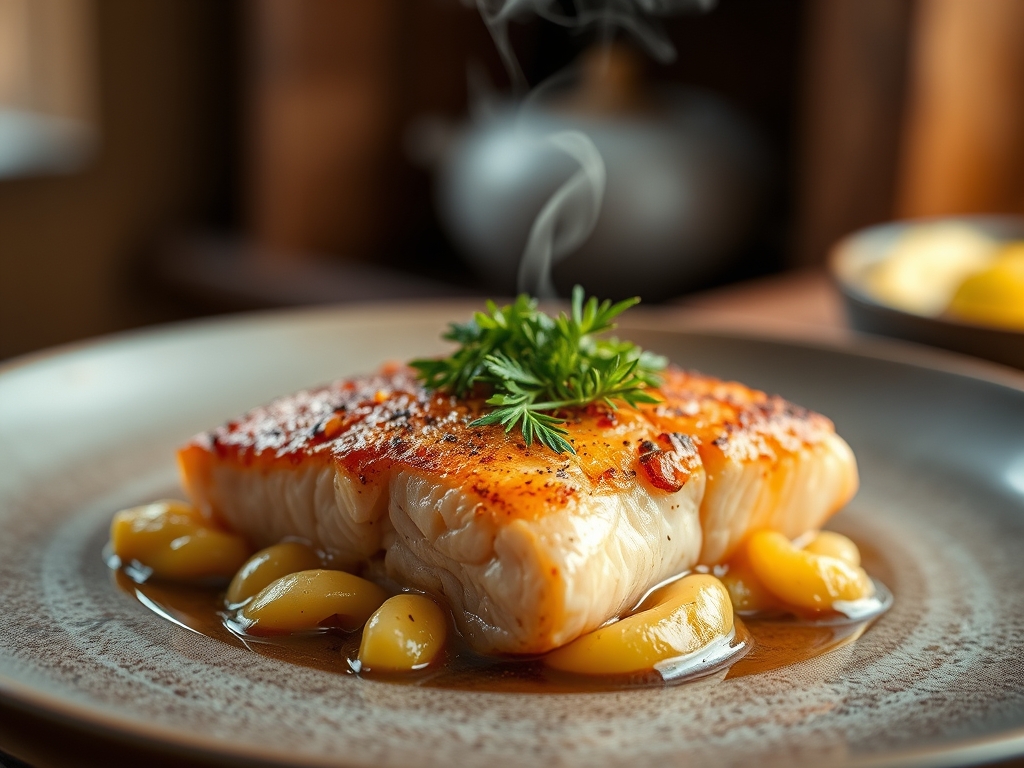
Picture the scene: a center-cut fillet of Atlantic salmon, skin seared to a glass-like crackle while the interior remains a translucent, buttery medium-rare. It is a masterpiece of protein, but even a masterpiece requires the right frame to truly shine. Finding the perfect side dish for salmon recipes is about more than just filling a plate; it is a calculated study in balancing rich, omega-3 fatty acids with acidity, crunch, and vibrant chlorophyll. We are moving beyond the soggy steamed broccoli of yesteryear. Instead, we are leaning into culinary chemistry to create pairings that elevate your dinner from a standard weeknight meal to a high-end bistro experience.
Whether you are hosting a dinner party or simply refueling after a long day, the right accompaniment acts as a foil to the salmon's inherent fattiness. We want high-contrast textures and flavors that dance between piquant and earthy. From charred cruciferous vegetables that undergo a deep Maillard reaction to ancient grains that provide a nutty, structural base, these eight healthy options are designed to optimize both nutrition and palate satisfaction. Get your chef's knife sharpened and your heavy-bottomed skillet ready; we are about to transform your kitchen into a laboratory of flavor.
The Gathers:
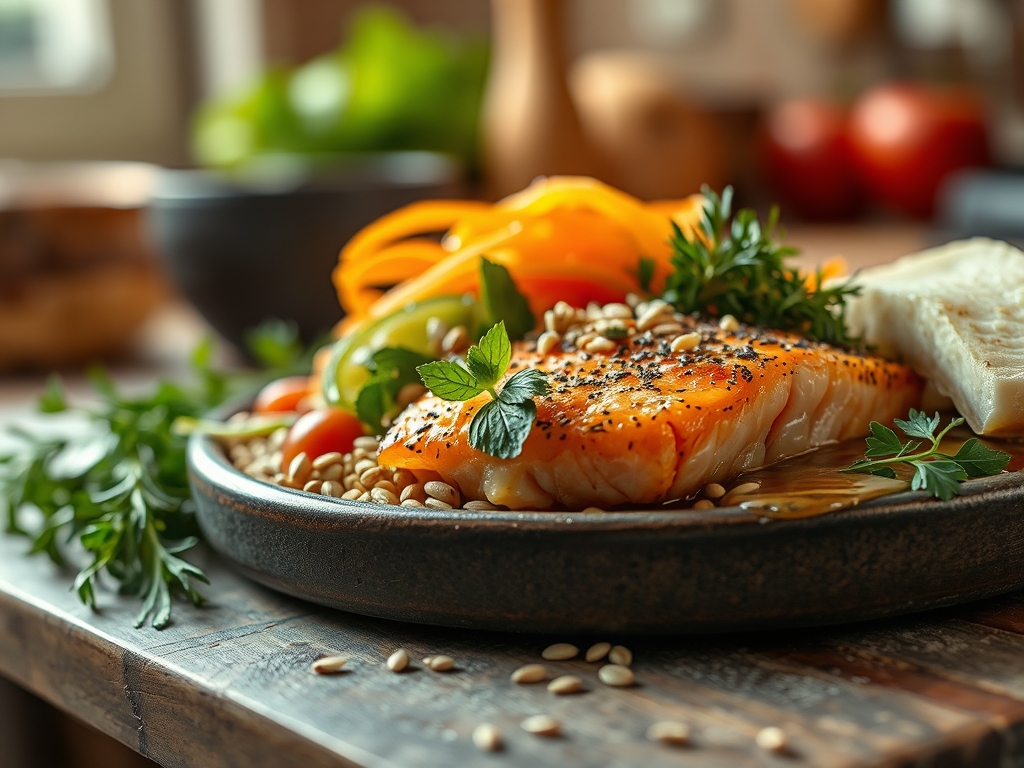
To execute these side dish for salmon recipes with precision, your mise-en-place must be impeccable. We are looking for ingredients that offer structural integrity and chemical complexity. Gather your brassicas: lacinato kale, Brussels sprouts, and broccolini. These vegetables contain sulfur compounds that, when roasted, develop a savory sweetness. For your aromatics, ensure you have fresh shallots, garlic cloves with high moisture content, and ginger roots that snap cleanly.
The pantry staples are equally vital. You will need a high-quality extra virgin olive oil for its viscous mouthfeel and a finishing salt like Maldon to provide a tactile crunch. For acidity, keep lemons, limes, and a bottle of unseasoned rice vinegar on hand to deglaze pans and brighten heavy fats.
Smart Substitutions:
If you are out of farro, pearl barley offers a similar chewy architecture. No asparagus? Snap peas provide that same grassy note and snap. If you need to swap out honey for a lower glycemic index, use a high-quality maple syrup; it contains minerals like manganese that complement the earthy tones of roasted root vegetables. Always use a digital scale for your grains to ensure the water-to-grain ratio is scientifically perfect, preventing the dreaded mushy texture.
The Clock
Efficiency in the kitchen is governed by the "Chef's Flow," which is the art of overlapping tasks so that your side dish for salmon recipes finish exactly when the fish is resting. Generally, expect a total active prep time of 20 minutes and a collective cook time of 30 minutes.
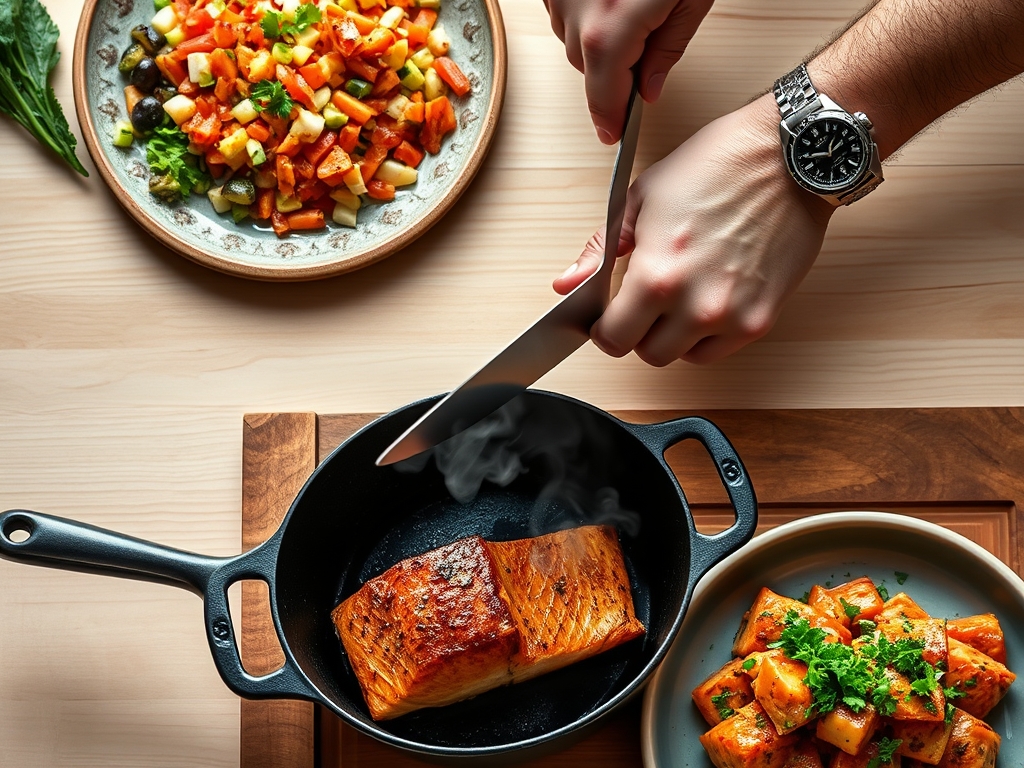
Start with your longest-lead items, such as roasting root vegetables or simmering hearty grains like quinoa. While the thermal energy does its work in the oven or pot, move to your knife work for the quick-sauté items. The goal is to have your sides plated or kept warm under foil just as the salmon enters its final two minutes of searing. This ensures that the salmon does not lose its internal moisture while waiting for a slow-moving salad.
The Masterclass
1. Charred Lemon Broccolini with Toasted Garlic
Trim the woody ends of your broccolini and toss them in a bowl with oil and salt. Heat a heavy-bottomed skillet until it reaches the smoke point, then add the greens. Use tongs to ensure even contact with the heat source.
Pro Tip: This relies on dry-heat conduction. By keeping the pan crowded but not overlapping, you trigger the Maillard reaction without steaming the vegetable, preserving the snap of the cell walls.
2. Quinoa with Pomegranate and Mint
Rinse your quinoa in a fine-mesh strainer to remove saponins, which can taste bitter. Boil in vegetable stock for an infused flavor profile, then fluff with a fork to aerate the grains once the liquid is absorbed.
Pro Tip: Hygroscopic expansion occurs as the quinoa absorbs the stock. Letting it sit covered for five minutes after cooking allows the steam to finish softening the outer hull without making the center mushy.
3. Balsamic Roasted Brussels Sprouts
Halve the sprouts to expose the maximum surface area. Toss with balsamic glaze and roast at 400 degrees Fahrenheit until the outer leaves are dark and crisp.
Pro Tip: The sugars in the balsamic vinegar undergo caramelization at high temperatures. This creates a bitter-sweet crust that cuts through the oily richness of the salmon.
4. Asparagus with Gremolata
Blanch the asparagus for sixty seconds, then shock in an ice bath. Top with a mixture of lemon zest, parsley, and garlic minced with a microplane.
Pro Tip: The ice bath stops enzymatic browning and locks in the bright green chlorophyll. This ensures the vegetable stays vibrant and crisp rather than turning a dull, limp olive color.
5. Garlic Mashed Cauliflower
Steam cauliflower florets until they are completely tender. Use a food processor or immersion blender to emulsify the cauliflower with a touch of Greek yogurt and roasted garlic.
Pro Tip: Using an immersion blender breaks down the pectin structures in the cauliflower, creating a smooth, viscous puree that mimics the texture of potatoes with a fraction of the starch.
6. Cucumber and Radish Salad
Thinly slice cucumbers and radishes using a mandoline for uniform thickness. Toss with rice vinegar, sesame oil, and toasted sesame seeds.
Pro Tip: This is a study in osmotic pressure. The salt in the dressing draws moisture out of the cucumbers, creating a built-in vinaigrette that is naturally flavored by the vegetable juice itself.
7. Honey-Glazed Carrots with Thyme
Roast whole heirloom carrots with a light coating of honey and fresh thyme sprigs. Use a bench scraper to easily transfer the hot carrots to a serving platter.
Pro Tip: Carrots are high in beta-carotene, which is fat-soluble. Serving them alongside salmon helps your body absorb this nutrient more efficiently thanks to the fish's healthy fats.
8. Wilted Spinach with Nutmeg
Sauté baby spinach in a saucier with a tiny amount of olive oil until just wilted. Grate fresh nutmeg over the top using a microplane.
Pro Tip: Spinach has a high water content. Quick sautéing prevents the collapse of the vacuoles within the leaves, keeping the spinach from becoming a watery mess on your plate.
The Deep Dive
Nutritionally, these side dish for salmon recipes focus on high-fiber, low-glycemic index carbohydrates and micronutrient-dense greens. This balance ensures a steady release of energy and prevents the "heavy" feeling often associated with starch-heavy meals.
Dietary Swaps:
For a Keto approach, focus on the cauliflower mash and sautéed spinach, swapping any honey for stevia or omitting it entirely. Vegan diners can replace Greek yogurt with silken tofu in the cauliflower puree to maintain that creamy emulsion. All these recipes are naturally Gluten-Free, provided you use tamari instead of soy sauce for any Asian-inspired seasoning.
The Fix-It:
- Soggy Vegetables: This usually happens due to overcrowding the pan. Use two baking sheets instead of one to allow for proper airflow.
- Bitter Garlic: If your garlic turns brown too fast, it becomes acrid. Add garlic during the last 60 seconds of cooking to protect its delicate oils.
- Bland Grains: If your quinoa tastes like nothing, you likely missed the "infusion" step. Always toast dry grains in the pan for two minutes before adding liquid to unlock nutty aromas.
Meal Prep & Reheating:
To maintain "day-one" quality, reheat your roasted vegetables in an air fryer or oven at 350 degrees for five minutes. Avoid the microwave, as it vibrates water molecules, leading to a loss of structural integrity and a rubbery texture.
The Wrap-Up
Mastering the art of the side dish for salmon recipes is the ultimate culinary power move. It turns a simple piece of fish into a multi-dimensional dining experience that hits every sensory note: salty, sweet, sour, and umami. By understanding the science behind the sear and the chemistry of the crunch, you are no longer just following a recipe; you are orchestrating a meal. Now, grab your tongs, fire up the range, and let these vibrant, healthy sides take center stage at your kitchen table.
The Kitchen Table
What is the healthiest vegetable to eat with salmon?
Leafy greens like spinach or kale are top choices. They provide high levels of Vitamin K and folate, which complement the heart-healthy omega-3s in salmon. Cruciferous vegetables like broccolini also offer fiber that aids in the digestion of rich fats.
How do I keep my side dishes warm while the salmon cooks?
Use the "Chef's Flow" by finishing roasted items last. Alternatively, place finished sides in a low oven at 200 degrees Fahrenheit. Covering them tightly with foil preserves moisture, but be careful as this can soften crispy textures over time.
Can I make these side dishes ahead of time?
Grains like quinoa and farro are perfect for advanced prep. You can cook them up to three days early and store them in the fridge. For roasted vegetables, it is best to prep the knife work early but roast them fresh.
What flavors go best with salmon?
Salmon pairs beautifully with acidic components like lemon, lime, or vinegars. Earthy herbs like dill, thyme, and parsley also work well. For a flavor boost, use "piquant" ingredients like capers or horseradish to provide a sharp contrast to the fish.