
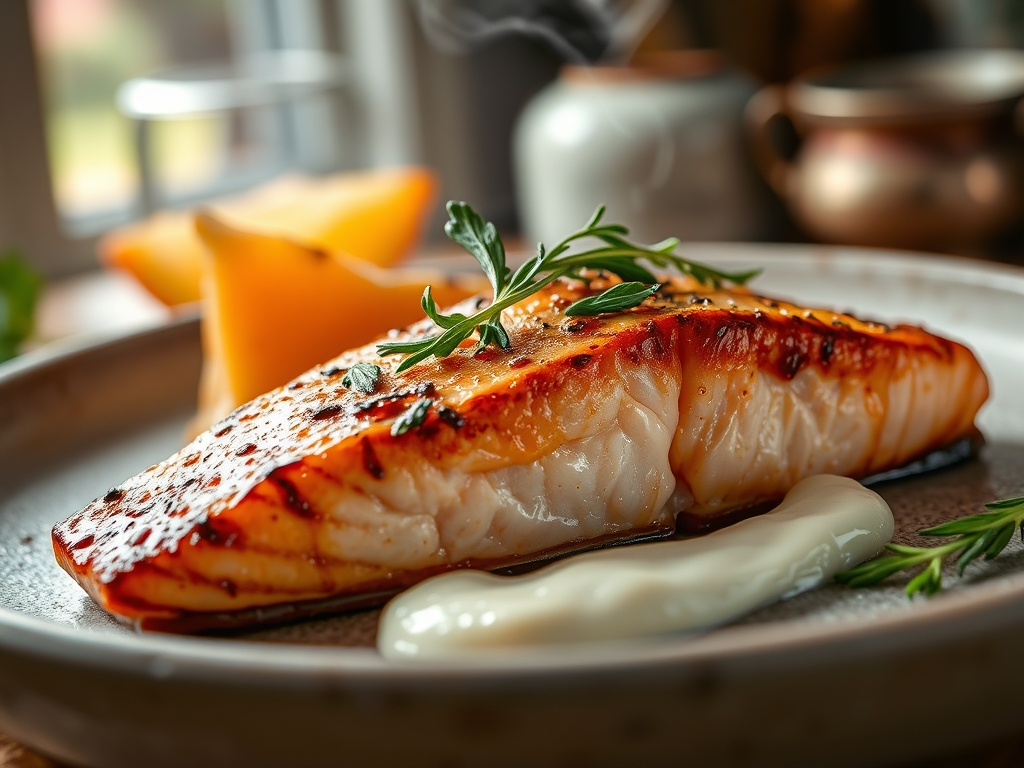
Picture the scene: your kitchen is a humid sanctuary of cedar and citrus while the rest of the world shivers outside. Finding the perfect holiday salmon recipes is about more than just a centerpiece; it is about mastering the delicate balance between flaky protein and vibrant, festive fats. We are trading the heavy, beige roasts of yesteryear for shimmering fillets that command attention with their jewel-toned glazes and crisp, glass-like skin.
The Gathers:
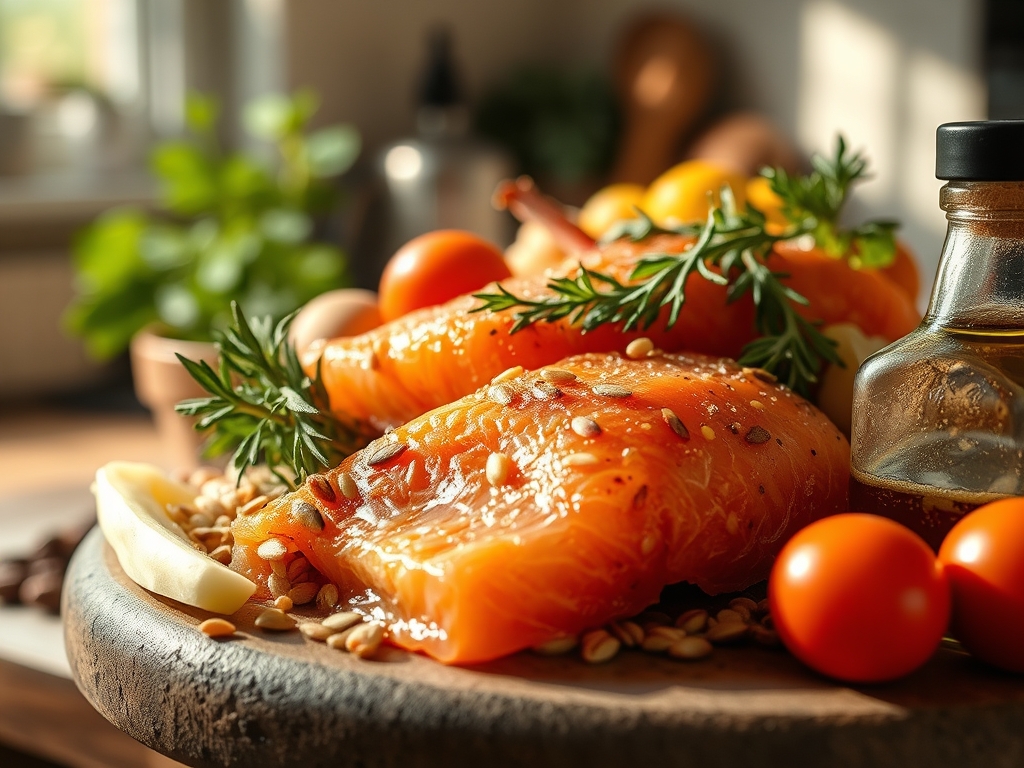
To execute these holiday salmon recipes with precision, your mise-en-place must be clinical yet inspired. Start with a side of king or sockeye salmon; look for intramuscular fat marbling that promises a succulent mouthfeel. You will need high-smoke-point fats like avocado oil for searing, or clarified butter to achieve a nutty, Maillard-driven crust without the risk of burnt milk solids.
Gather your aromatics: fresh dill, star anise for a faint licorice undertone, and bright citrus zest. Use a microplane to shave the zest into a fine dust, ensuring you capture the essential oils without the bitter white pith. For the glazes, reach for high-viscosity liquids like pomegranate molasses or maple syrup to ensure the coating clings to the protein rather than pooling on the sheet pan.
Smart Substitutions: If you cannot find fresh pomegranate, use a reduction of unsweetened cranberry juice for that same piquant acidity. For a dairy-free richness, swap traditional butter for a high-quality cashew cream; the high fat content mimics the emulsification properties needed for a stable sauce. If sockeye is unavailable, steelhead trout offers a similar flavor profile and fat ratio, making it a seamless pivot for any festive table.
The Clock
Efficiency in the kitchen is about managing the Chef's Flow, which is the art of overlapping tasks to maximize flavor and minimize stress. Expect a total active prep time of 25 minutes. This includes the time needed to bring your fish to room temperature, which is a non-negotiable step to prevent the muscle fibers from seizing when they hit the heat.
The cooking duration varies by method, but most whole-side holiday salmon recipes require 15 to 22 minutes in a 325 degree Fahrenheit oven. We favor a "low and slow" approach to preserve the delicate albumin proteins. Factor in a mandatory 10 minute rest period. This allows the internal juices to redistribute, ensuring every bite is uniformly moist rather than leaking precious moisture onto the serving platter.
The Masterclass
1. Tempering and Surface Preparation
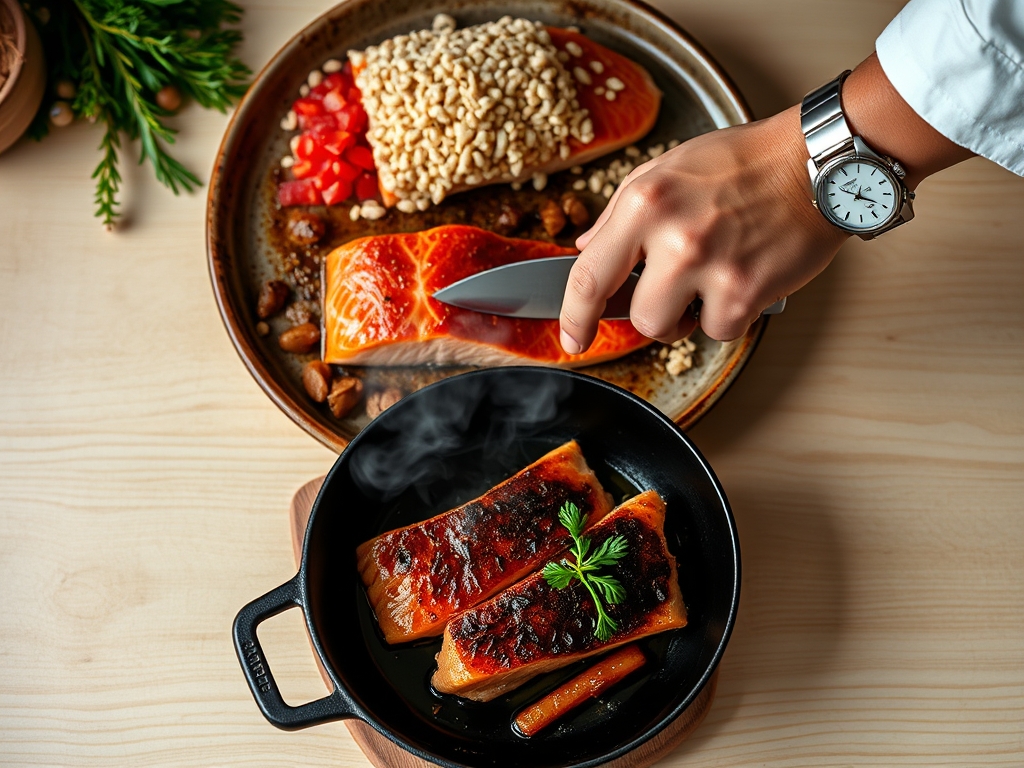
Remove the salmon from refrigeration at least 30 minutes before cooking. Use a lint-free paper towel to pat the surface bone-dry. Moisture is the enemy of the Maillard reaction; if the surface is damp, the fish will steam rather than sear. Use a bench scraper to ensure your workspace is clear of any scales or debris.
Pro Tip: This process prevents a "thermal shock" where the exterior overcooks before the center reaches safety. By narrowing the temperature gap between the fish and the oven, you ensure a uniform texture from edge to edge.
2. Scoring the Skin
Using a sharp chef knife, make shallow, diagonal incisions through the skin but not into the flesh. This prevents the skin from curling as the collagen fibers contract under heat. It also creates channels for your infused oils and aromatics to penetrate deeper into the protein.
Pro Tip: This technique increases the surface area exposed to heat, which accelerates the rendering of the subcutaneous fat layer. This results in a "potato chip" crispiness that provides a necessary textural contrast to the soft meat.
3. The Sear and Infusion
Place a heavy-bottomed skillet over medium-high heat. Once the oil shimmers, lay the fish skin-side down. Press firmly with a wide spatula for the first 30 seconds. Toss in crushed garlic cloves and woody herbs like rosemary. Use a spoon to baste the hot, flavored fat over the top of the fish.
Pro Tip: Basting creates a "convection effect" on the stovetop. The hot fat cooks the top of the fish gently while the skin crisps, building complex flavor profiles through the infusion of herbal essential oils into the cooking medium.
4. The Glaze Application
As the fish nears its target internal temperature, apply your glaze using a silicone brush. If you are using a honey or sugar-based glaze, wait until the last 5 minutes of cooking. High sugar content can carbonize quickly, turning a beautiful mahogany color into a bitter, blackened mess.
Pro Tip: This is a study in viscosity. A thick glaze acts as an insulator, trapping moisture inside the fillet while the exterior undergoes caramelization. The sugars bond with the amino acids in the fish to create a savory-sweet crust.
5. Thermal Carryover and Resting
Remove the salmon when a digital scale or meat thermometer reads 125 degrees Fahrenheit for medium-rare. Transfer it to a warm platter. Do not tent it tightly with foil, as this traps steam and will soften that skin you worked so hard to crisp.
Pro Tip: Thermal carryover will cause the internal temperature to rise another 5 to 7 degrees while resting. Pulling the fish early prevents the proteins from tightening and squeezing out the moisture, which is what causes those unsightly white bubbles of albumin.
The Deep Dive
From a macro perspective, salmon is a nutritional powerhouse. It is exceptionally high in Omega-3 fatty acids, which are essential for heart health, and provides a high-density source of lean protein. A standard 6-ounce serving contains roughly 34 grams of protein and 18 grams of healthy fats, making it a keto-friendly superstar.
Dietary Swaps: For a vegan alternative that mimics the aesthetic, use large "steaks" of roasted cauliflower or salt-baked carrots glazed with miso and maple. For a gluten-free version of a crusted salmon, replace breadcrumbs with crushed macadamia nuts or almond flour to maintain that crunch without the wheat.
The Fix-It:
- White Albumin Leaking: This happens when the fish is cooked too fast or too hot. Fix it by lowering your oven temp and using a gentle "baste" method to buffer the heat.
- Soggy Skin: This is caused by residual moisture. Fix it by "air-drying" the fish uncovered in the fridge for two hours before cooking.
- Sticking to the Pan: This occurs when the protein bonds to the metal before the sear is set. Fix it by ensuring the pan is hot enough to achieve Leidenfrost effect levels of non-stick capability before adding the fish.
Meal Prep Science: To reheat salmon without making it rubbery, avoid the microwave. Instead, place it in a shallow dish with a tablespoon of water, cover with a lid, and warm in a 275 degree oven. The steam gently rehydrates the fibers, maintaining a "day-one" flake and tenderness.
The Wrap-Up
Mastering holiday salmon recipes is your ticket to a stress-free, high-impact dinner party. By focusing on the chemistry of the sear and the precision of the rest, you transform a simple piece of seafood into a luxurious culinary event. Grab your saucier, whisk up a bright reduction, and get ready to be the hero of the holiday season. You have the science, the tools, and the flair; now go make something incredible!
The Kitchen Table
How do I prevent my salmon from drying out?
Pull the salmon from the heat when it reaches 125 degrees Fahrenheit. Allow it to rest for ten minutes; thermal carryover will finish the cooking process gently, preserving the internal moisture and preventing the protein fibers from becoming tough or rubbery.
Can I prep holiday salmon recipes in advance?
You can dry-brine the salmon with salt and zest up to 24 hours ahead. This seasons the meat deeply and dries the skin for a better sear. However, do not apply acidic glazes until right before cooking to avoid "cooking" the flesh.
What is the best way to get crispy skin?
Ensure the skin is bone-dry using a paper towel. Start the fish in a cold heavy-bottomed skillet with a small amount of oil, then turn the heat to medium. This slow render liquefies the fat under the skin, resulting in maximum crunch.
How do I know if my salmon is fresh?
Fresh salmon should have a mild, oceanic scent, never "fishy." The flesh should be firm to the touch and spring back immediately when pressed. Look for clear, bright eyes if buying whole, and avoid any fillets with visible gaps in the grain.