
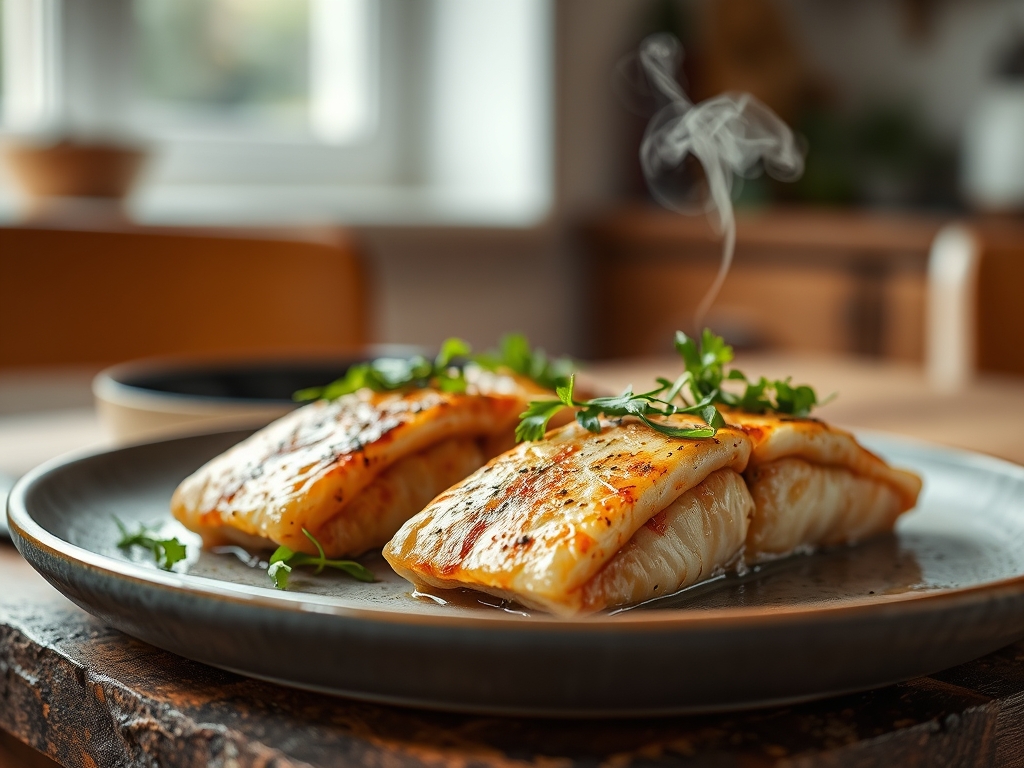
Imagine a heavy-bottomed skillet hissing as cold butter hits the surface; the dairy solids begin to brown and smell like toasted hazelnuts. You are standing in your kitchen, about to create a dish that bridges the gap between a casual weeknight win and a white-tablecloth event. We are diving deep into the world of shrimp stuffed salmon recipes, where the buttery, flakey richness of Atlantic salmon meets the snappy, sweet texture of finely minced shrimp. This is not just a meal; it is an architectural feat of seafood engineering. The goal is a golden-brown crust that yields to a creamy, piquant center. By the time we are done, you will understand how to manipulate proteins and fats to achieve a restaurant-grade finish. We are looking for that perfect Maillard reaction on the skin while maintaining a succulent, translucent interior in the stuffing. Grab your favorite apron and let us get into the chemistry of flavor.
The Gathers:
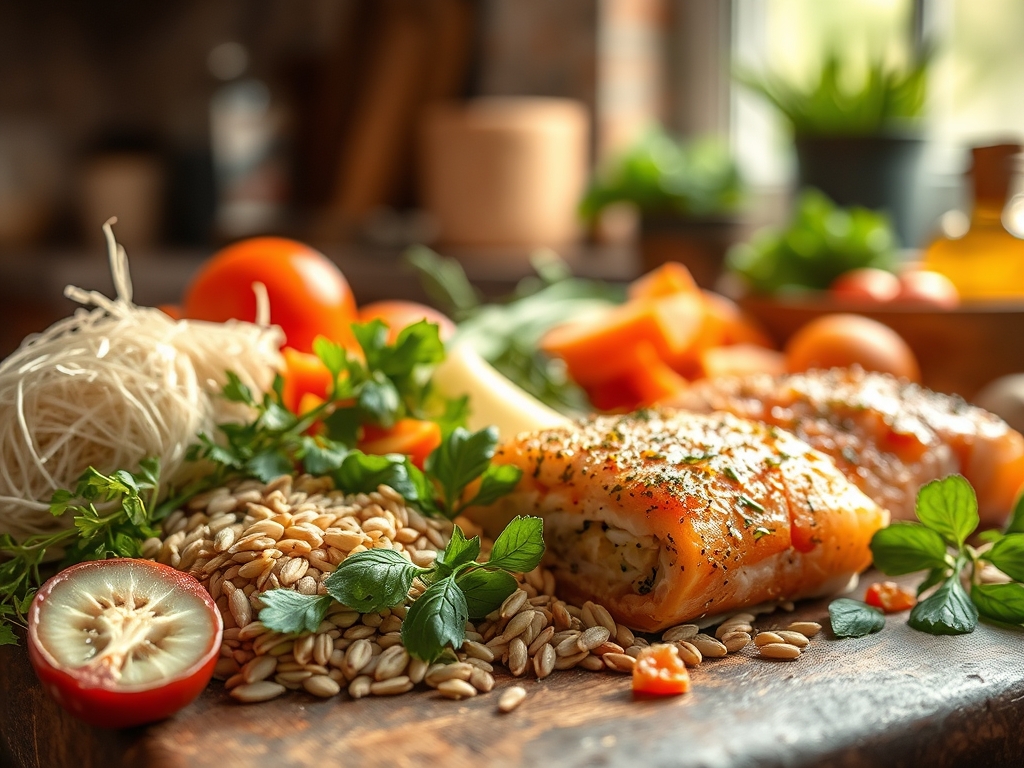
Setting up your station, or mise-en-place, is the difference between a frantic kitchen and a fluid one. For the foundation, you need center-cut salmon fillets, preferably six to eight ounces each. These should be uniform in thickness to ensure an even thermal gradient during cooking. For the stuffing, we use raw, deveined shrimp that have been patted dry with paper towels. Any residual moisture will turn your stuffing into a soggy mess rather than a cohesive, aerated mousse.
You will also need a high-fat binder. Reach for full-fat cream cheese and a splash of heavy cream to create a viscous texture. To cut through that richness, we use a microplane to zest a fresh lemon and grate two cloves of garlic. The aromatic oils in the zest are volatile; they provide a bright, citrusy lift that offsets the heavy lipids in the fish. For the crunch, panko breadcrumbs are essential. They have a larger surface area than traditional crumbs, allowing for more contact with the heat source and better browning.
Smart Substitutions:
If you are avoiding dairy, a thick cashew cream can mimic the mouthfeel of cream cheese. For those skipping gluten, crushed pork rinds or almond flour provide the necessary structural integrity without the wheat. If you cannot find fresh shrimp, high-quality lump crab meat is a spectacular alternative that offers a similar sweetness and protein profile.
The Clock
Efficiency in the kitchen is about "Chef's Flow." This recipe requires 20 minutes of active prep and 15 to 18 minutes of thermal application. The flow begins with the stuffing. While the salmon sits at room temperature to take the chill off (which prevents the muscle fibers from seizing when they hit the pan), you whip the filling.
By the time your oven reaches 400 degrees Fahrenheit, your fillets are stuffed and ready. The total time from fridge to table is roughly 40 minutes. This includes a mandatory five-minute rest period. Resting allows the internal juices to redistribute. If you cut into the fish immediately, the moisture will migrate to the plate rather than staying in the meat.
The Masterclass
1. The Precision Pocket
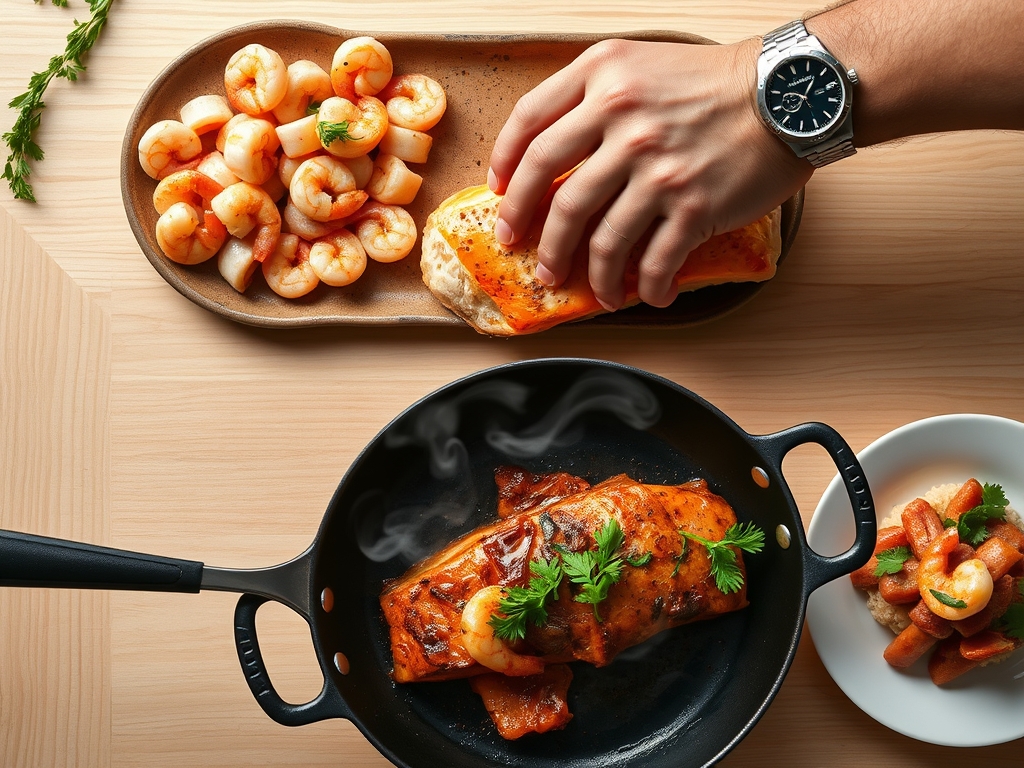
Place each salmon fillet on a clean cutting board. Using a sharp paring knife, slice a horizontal pocket into the thickest part of the fish. Be careful not to cut all the way through the back or the sides.
Pro Tip: This creates a physical barrier that traps steam. As the shrimp cooks inside the pocket, it releases moisture that keeps the salmon hydrated from the inside out, preventing the common pitfall of dry, overcooked fish.
2. The Shrimp Mousse
In a small mixing bowl, combine your minced shrimp, cream cheese, garlic, and herbs. Use a silicone spatula to fold the ingredients together until they are fully incorporated.
Pro Tip: This is an exercise in emulsification. The fats in the cheese encapsulate the proteins in the shrimp. When heated, the proteins coagulate into a firm but tender "cake" rather than a loose pile of seafood.
3. Loading the Vessel
Use a small spoon or a piping bag to gently fill each salmon pocket. Do not overstuff; the proteins will contract as they cook, and an overfilled pocket will burst, leaking those precious juices into the pan.
Pro Tip: Cold fats expand less rapidly than warm ones. Keeping your stuffing chilled until the very moment of insertion ensures the pocket stays sealed as the salmon skin begins to render.
4. The Sear and Seal
Heat a heavy-bottomed skillet with a tablespoon of avocado oil. Place the salmon skin-side down first. Let it sit undisturbed for three minutes until the skin is crispy and releases easily from the pan.
Pro Tip: This is the Maillard reaction in action. The amino acids and sugars in the fish skin react under high heat to create hundreds of different flavor compounds and that signature golden-brown hue.
5. The Oven Finish
Transfer the skillet to the preheated oven. Bake for 10 to 12 minutes, or until the internal temperature reaches 145 degrees Fahrenheit on a digital thermometer.
Pro Tip: Thermal carryover is real. Remove the fish when it hits 140 degrees. The residual heat will continue to cook the center as it rests, bringing it to a perfect, safe 145 degrees without drying it out.
The Deep Dive
From a macro perspective, shrimp stuffed salmon recipes are a nutritional powerhouse. You are looking at roughly 45 grams of protein and a healthy dose of Omega-3 fatty acids per serving. The fats are primarily unsaturated, which is excellent for heart health, though the cream cheese does add a bit of saturated fat for flavor.
Dietary Swaps:
- Keto: Replace panko with crushed macadamia nuts for a high-fat, low-carb crunch.
- Vegan: Use "Soymon" (marinated tofu) and a heart of palm "shrimp" mince with vegan cream cheese.
- GF: Ensure your panko is certified gluten-free or use cornmeal for a southern twist.
The Fix-It:
- Stuffing Leaking: You likely cut the pocket too wide. Next time, use a toothpick to "stitch" the opening shut before cooking.
- Soggy Skin: The pan wasn't hot enough. Wait for the oil to shimmer and slightly smoke before adding the fish.
- Rubberby Shrimp: The shrimp were overcooked. Ensure they are minced finely so they cook at the same rate as the salmon.
Meal Prep Science:
To reheat, avoid the microwave at all costs; it turns fish into rubber. Instead, use a toaster oven at 275 degrees with a splash of water in the pan, covered in foil. This creates a mini steam chamber that rehydrates the proteins without toughening them.
The Wrap-Up
You have officially mastered the art of the stuffed fillet. By understanding the thermal properties of seafood and the importance of a proper sear, you have elevated a simple piece of fish into a culinary masterpiece. These shrimp stuffed salmon recipes are versatile, impressive, and, most importantly, backed by the science of good cooking. Now, pour yourself a glass of crisp Sauvignon Blanc and enjoy the fruits of your labor. You earned it.
The Kitchen Table
Can I use frozen shrimp for the stuffing?
Yes, but they must be completely thawed and squeezed dry with a lint-free towel. Excess moisture will steam the salmon from the inside, ruining the texture and causing the stuffing to become watery and loose.
How do I know when the salmon is done?
The most reliable method is using a digital thermometer. Aim for an internal temperature of 140 degrees Fahrenheit. The fish should also be opaque and flake easily when pressured gently with the back of a fork.
Why is my salmon skin sticking to the pan?
This usually happens if the pan is not hot enough or if you try to flip the fish too early. The fish will naturally "release" from the surface once a proper crust has formed through the Maillard reaction.
Can I prep these a day in advance?
You can stuff the salmon up to six hours before cooking. Store them in an airtight container in the coldest part of your fridge. Do not add salt to the exterior until right before searing to avoid drawing out moisture.