
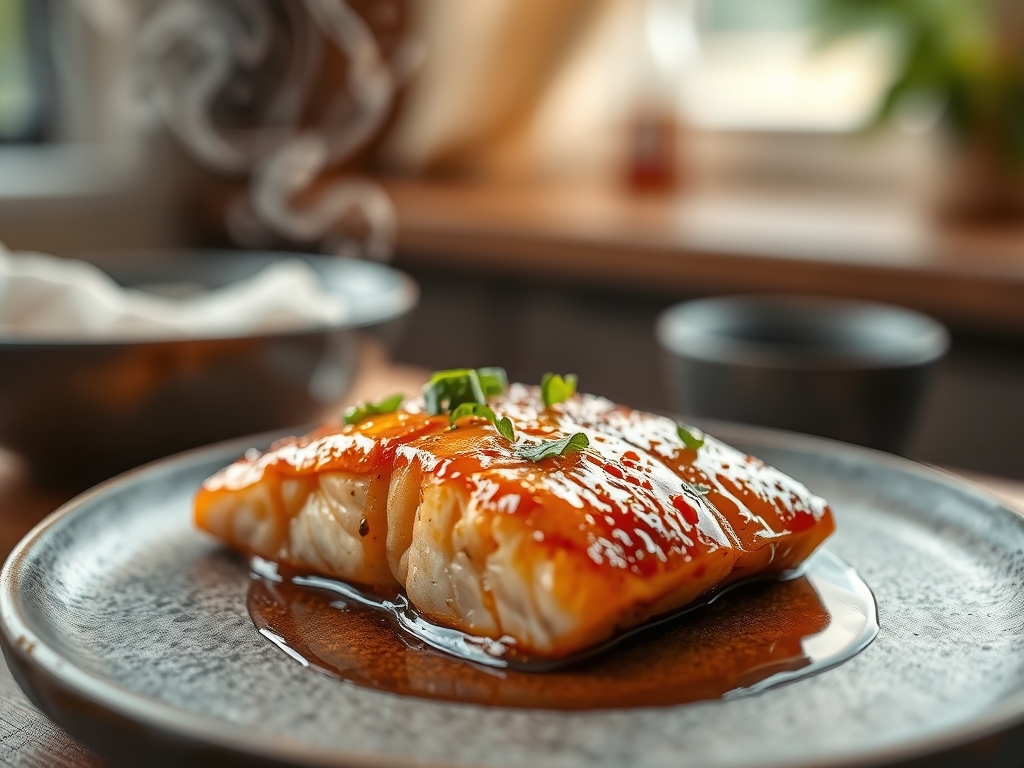
Imagine a Tuesday evening where the air smells of toasted sesame and caramelizing sugars; a scent so intoxicating it feels like a warm hug from a professional chef. You are craving that perfect balance of salty, sweet, and umami, but your energy levels are hitting a wall. This is where the magic of air fryer teriyaki salmon recipes saves the day. We are talking about a six minute transformation where cold, raw fillets evolve into glistening, flakey masterpieces with a crust that shatters under your fork. It is not just dinner; it is a sensory experience that bridges the gap between high-end bistro quality and the comfort of your own kitchen. The air fryer is not just a gadget for frozen fries anymore. It is a precision convection tool that mimics the intense, dry heat of a professional salamander broiler. By the time you pour a glass of crisp white wine, the salmon is ready to take center stage. Let us dive into the molecular secrets that turn a simple fish dinner into a culinary event you will want to repeat every single week.
The Gathers:
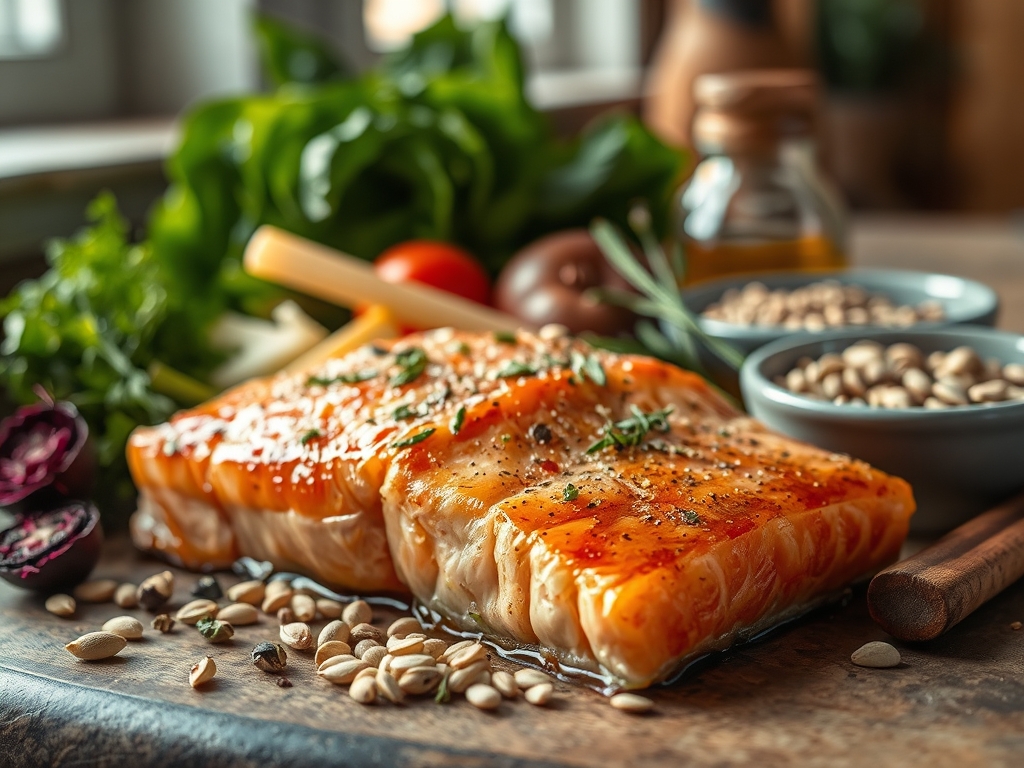
To achieve a restaurant grade finish, your mise-en-place must be intentional. We are looking for high quality fats and sugars that will react beautifully under intense heat. Start with center cut Atlantic or King salmon fillets, ideally six to eight ounces each. You will need a viscous teriyaki base; look for one that uses real mirin and soy sauce rather than high fructose corn syrup. If you are feeling adventurous, grab a microplane to grate fresh ginger and garlic into the sauce. This releases the essential oils and creates a piquant aromatic profile that bottled sauces simply cannot replicate.
You will also need a high smoke point oil like avocado or grapeseed oil to coat the basket. For the garnish, toasted sesame seeds and thinly sliced scallions are non-negotiable for that final textural pop. Smart Substitutions: If you are watching your sodium, coconut aminos offer a fantastic 1:1 swap for soy sauce while providing a natural, earthy sweetness. If you find your glaze is too thin, a tiny pinch of xanthan gum or a cornstarch slurry can help it cling to the protein like a second skin. Always use a digital scale to ensure your fillets are uniform in weight, which guarantees they all finish cooking at the exact same second.
The Clock
The "Chef's Flow" is all about maximizing efficiency without sacrificing quality. Total active preparation time is approximately five minutes, while the actual cooking duration ranges from six to nine minutes depending on the thickness of your fish. The secret to a seamless flow is preheating. Just as you would never put a steak into a cold pan, your air fryer needs to be a screaming hot environment before the salmon arrives. Set your device to 400 degrees Fahrenheit and let it run for at least four minutes while you pat the fish dry. A dry surface is the only way to achieve the Maillard reaction, which is the chemical dance between amino acids and reducing sugars that creates that golden brown crust. If the skin is damp, you are essentially steaming the fish, which results in a rubbery texture.
The Masterclass
1. The Desiccation Ritual
Start by using a paper towel to press every bit of moisture out of the salmon skin and flesh. Pro Tip: Removing surface moisture prevents the formation of steam. This allows the heat to immediately begin the dehydration process of the outer cells, leading to a crispier exterior and a more concentrated flavor profile.
2. The Oil Barrier
Lightly brush the salmon with avocado oil using a silicone pastry brush. Do not pour it on; you want a microscopic layer. Pro Tip: Oil acts as a heat conductor. It fills the tiny microscopic gaps on the surface of the fish, ensuring even heat distribution and preventing the delicate protein from sticking to the air fryer basket.
3. The First Blast
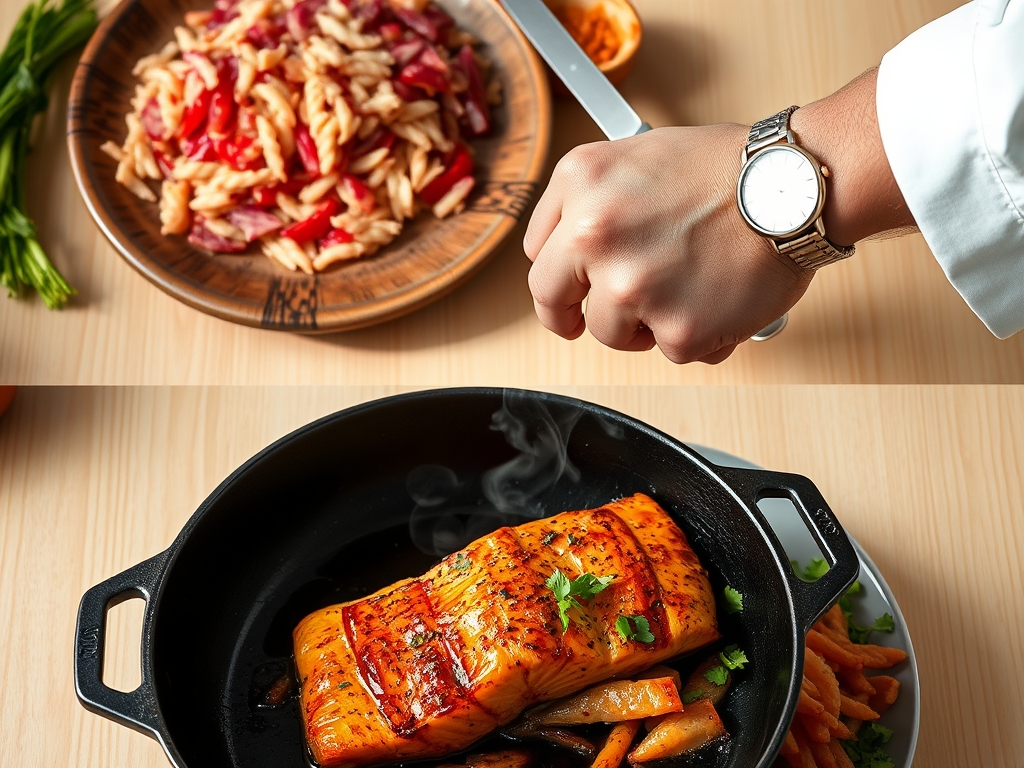
Place the salmon skin side down in the preheated basket. Cook for four minutes without any sauce. Pro Tip: This initial high heat period renders the fat beneath the skin. By waiting to add the glaze, you prevent the sugars in the teriyaki from burning before the fish is cooked through.
4. The Glaze Application
Slide the basket out and use a saucier or a small spoon to paint a thick layer of teriyaki over the top. Pro Tip: This is called "layering." The heat from the fish will cause the sauce to lose moisture and become more viscous, effectively lacquering the salmon in a concentrated umami shell.
5. The Final Caramelization
Return the basket for another two to three minutes. Watch for the edges to slightly char. Pro Tip: This stage relies on thermal carryover. Even after you pull the salmon out, the internal temperature will continue to rise by about five degrees. Aim for an internal pull temp of 130 degrees for a perfect medium finish.
The Deep Dive
From a nutritional standpoint, air fryer teriyaki salmon recipes are a powerhouse. A standard six ounce serving provides roughly 34 grams of high quality protein and is packed with Omega-3 fatty acids, which are essential for brain health and reducing inflammation. If you are following a Keto lifestyle, swap the traditional teriyaki for a version sweetened with monk fruit or erythritol. For a Vegan alternative, this exact method works beautifully with extra firm tofu that has been pressed for thirty minutes to remove excess water.
Even the best cooks run into hurdles. If your salmon looks "white and gooey" on the outside, that is just albumin, a protein that leaches out when fish is cooked too fast or too high. To fix this, try a lower temperature or a shorter cook time. If the sauce is sliding off, your fish was likely too wet; next time, use a bench scraper to ensure the surface is perfectly flat and dry before oiling. For meal prep, never microwave your leftovers on high power. Use the air fryer at 300 degrees for three minutes to rehydrate the fats without overcooking the delicate flesh. This preserves the "day-one" flakey texture.
The Wrap-Up
Mastering air fryer teriyaki salmon recipes is like unlocking a superpower in the kitchen. It is the ultimate "low effort, high reward" meal that impresses guests and nourishes your body. By understanding the science of moisture control and the timing of sugar caramelization, you have moved beyond following a recipe to becoming a true master of your tools. Go ahead, grab those tongs, and get that air fryer humming. Your most delicious Tuesday night is only a few minutes away.
The Kitchen Table
How do I prevent the salmon from sticking?
Always preheat your basket for four minutes. Lightly coat the basket with a high smoke point oil or use a perforated parchment paper liner. This creates a physical barrier that prevents the protein from bonding to the metal.
Can I cook frozen salmon in the air fryer?
Yes, but for the best results, increase the cook time by five minutes. Rinse any ice crystals off first and pat dry. Apply the glaze only during the last three minutes to prevent the sauce from burning.
What is the best internal temperature for salmon?
For a buttery, moist texture, aim for an internal temperature of 130 to 135 degrees Fahrenheit. Use a digital thermometer to check the thickest part. The temperature will rise slightly during the resting period.
Why is my teriyaki sauce burning?
Teriyaki contains high amounts of sugar which caramelize quickly. Only apply the glaze during the final two to three minutes of cooking. This allows the fish to cook through without the sauce reaching its scorching point.
How do I get the skin extra crispy?
Ensure the skin is bone dry before cooking. Place the salmon skin side down and do not flip it. The intense circulating air will dehydrate the skin, while the natural fats render and "fry" it against the basket.